AMD Releases New Products to Expand Gaming and Creative Reach
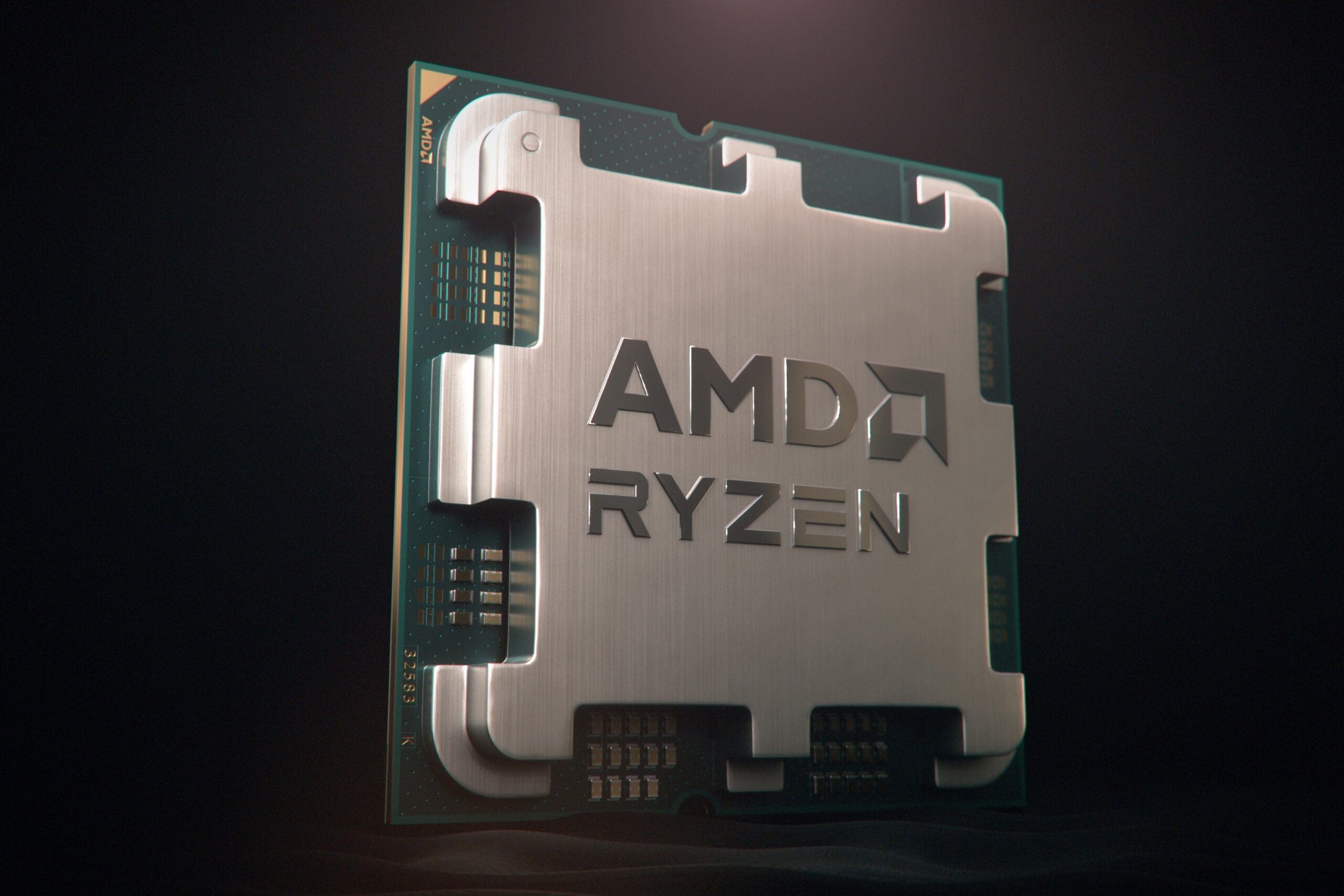
Advanced Micro Devices (AMD) introduced an expanded product portfolio at Computex 2026, celebrating a decade of commercial innovation in X3D packaging technology for high-performance desktop gaming clusters. The corporate rollout spans new gaming desktop processors, global retail expansion for intermediate graphics hardware, and structural driver updates. These product updates reinforce AMD’s core multi-generation socket strategy to ensure infrastructure longevity across global hardware distribution channels.
Desktop Processors and Macro Socket Longevity
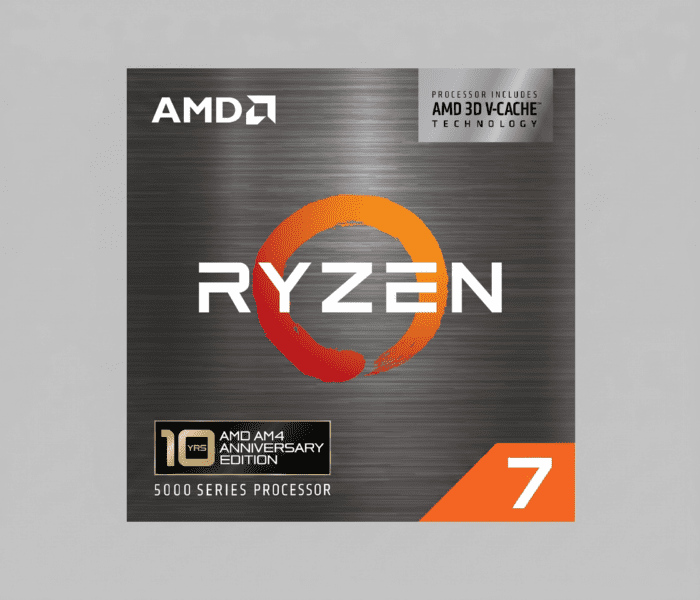
To mark 10 years of the AMD Socket AM4 desktop infrastructure—one of the longest-running consumer PC platforms spanning five discrete generations of Ryzen computing—AMD announced the custom-packaged AMD Ryzen™ 7 5800X3D 10th Anniversary Edition. The processing unit returns as a specialized upgrade path for legacy systems, capitalizing on its historical design as the initial consumer processor to integrate proprietary AMD 3D V-Cache™ technology.
The 10th Anniversary Edition desktop processor features:
-
Architecture and Memory Layout: Leverages the mature “Zen 3” core framework coupled with 3D V-Cache to deploy 96MB of total cache layout, designed to lower memory latency in intensive applications.
-
Motherboard Interconnect Compatibility: Plugs directly into existing AMD 400 and 500 Series motherboards, enabling legacy PC owners to optimize processing capacity without investing capital in entirely new motherboards or DDR memory stacks.
-
Thermal Interface Materials: Packs a bundled Carbice® Ice Pad™ solid thermal interface solution engineered to preserve operational thermal equilibrium and long-term cooling consistency under load.
-
Release Timing and Pricing: Commercial retail availability opens on June 25, 2026, with a manufacturer-recommended suggested retail price of $349 (SEP).
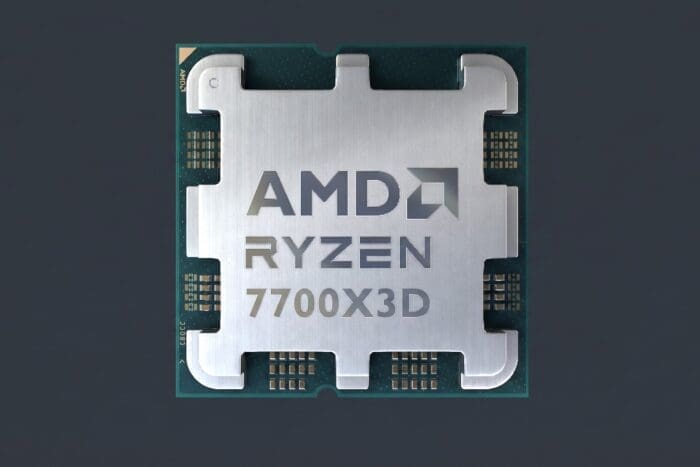
Concurrently, AMD extended its contemporary performance portfolio by unveiling the new eight-core, 16-thread AMD Ryzen™ 7 7700X3D desktop processor. Engineered to provide a more accessible financial point of entry into the current AM5 desktop platform and 3D V-Cache technology stacks, the SKU pairs an expansive 104MB total cache layout with a maximum boost clock speed of up to 4.5GHz running inside a 120W TDP framework. The Ryzen 7 7700X3D launches on July 16, 2026, at a suggested retail price of $329 (SEP). To secure customer hardware investment windows, AMD officially confirmed that drop-in upgrade support for the current AM5 socket will extend through 2029.
Desktop GPUs and Advanced Upscaling Technology
To scale options for mid-range gaming frameworks, AMD authorized the worldwide retail expansion of the AMD Radeon™ RX 9070 GRE graphics card on June 1, 2026, retailing at $549 (SEP). Constructed on the new AMD RDNA™ 4 architecture, the GPU features next-generation Ray Accelerators alongside enhanced AI compute computing building blocks. The graphics subsystem delivers immersive 1440p tracking performance backed by 12GB of high-speed video memory (VRAM), pushing frame rates past 100+ FPS with ray-tracing enabled via full compatibility across more than 300 games using AMD FSR upscaling. Furthermore, AMD expanded its open-source upscaling roadmap, extending FSR 4.1 compatibility to include previous-generation RDNA 3 GPUs starting July 2026.
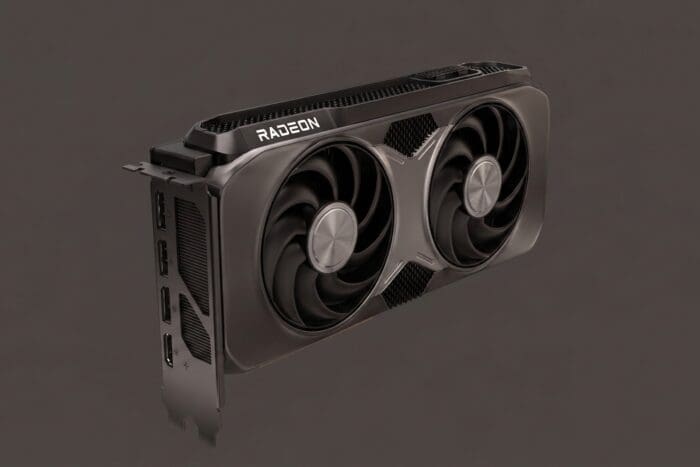
For digital creators and enterprise engineering workstations, AMD highlighted the momentum behind its Radeon AI PRO R9000 graphics accelerator line. A forthcoming enterprise software release, the 26.Q2 PRO Driver, will introduce certified optimization pathways for more than 50 professional applications operating across Windows and Linux environments. Certified creative software suites include Adobe Photoshop, Adobe Premiere Pro, and Autodesk Maya 2024. The upcoming driver deployment also integrates Radeon™ AI FSR PRO optimization alongside specialized Ray Regeneration algorithms for digital model creation.
Additionally, AMD highlighted the rollout of its updated AMD EXPO™ memory profiles featuring an automated “Ultra Low Latency” (ULL) parameter set. Launching from certified memory partners in June 2026, the automatic overclocking profiles deliver an average 4% increase in in-game frame rates compared to previous-generation standard EXPO configurations. When benched against baseline JEDEC non-overclocked speeds on an AMD Ryzen™ 7 9700X processor, the ULL profile configuration demonstrated a 13% average increase in aggregate frame rates across 30 tested titles and a 15% increase in 1% low frame metrics.