Neuralink trial participant plays Grand Theft Auto VI using only his mind
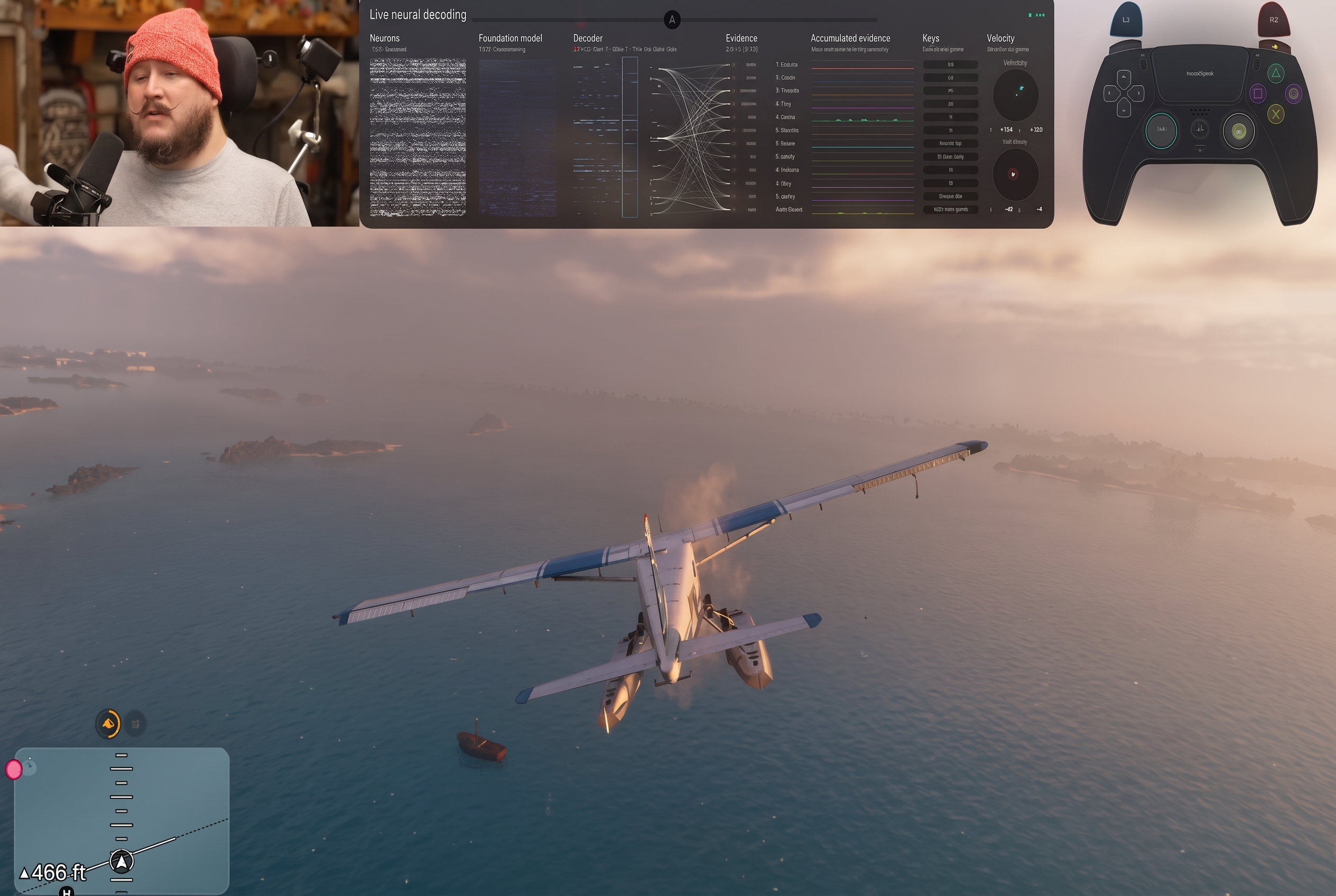
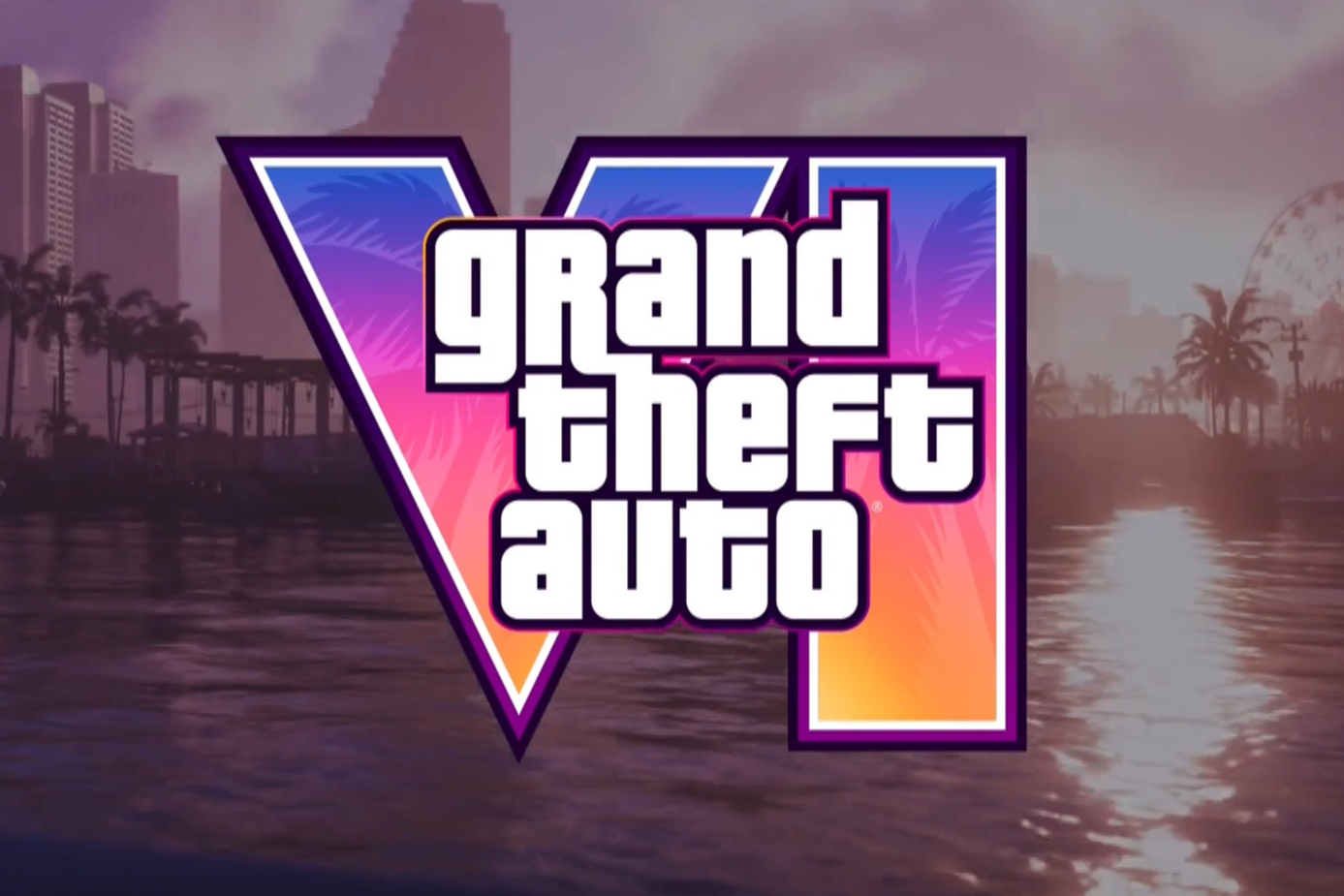
Neuralink has demonstrated another application of its brain-computer interface (BCI), publishing video footage of an unnamed clinical trial participant controlling Rockstar Games’ Grand Theft Auto VI using only his thoughts.
Shared on X on November 20 – one day after GTA VI debuted on consoles – the two-minute clip shows the participant navigating protagonist Jason in a speedboat beneath a bridge, steering through a narrow channel to collect a package, engaging in a fistfight and shootout, and piloting a seaplane. Alongside the gameplay, an on-screen graphic of a PlayStation 5 controller highlights how the participant’s neural signals map to specific inputs. For example, imagining sliding his right hand forward pulls the nose of the seaplane upward, while thinking about tapping his ring finger triggers the controller’s square button. The participant also noted having an input mapped to his foot.
Before undergoing the Neuralink implant surgery, the participant was limited to playing a small selection of games using a mouth stick on an iPad, a method that left him with a sore jaw. Reflecting on the transition from using a mouth stick to neural computer control, he explained that regaining direct digital control immediately restored his connection to the broader digital world.
The demonstration builds on previous milestones achieved by earlier Neuralink trial participants. In March 2024, Neuralink’s first implant recipient, Noland Arbaugh, demonstrated playing online chess and Civilization VI via thought-controlled cursor movements. Months later, a second participant named Alex paired his brain implant with a mouth-operated QuadStick to play Counter-Strike 2, allowing him to aim with the BCI while moving simultaneously with the joystick.
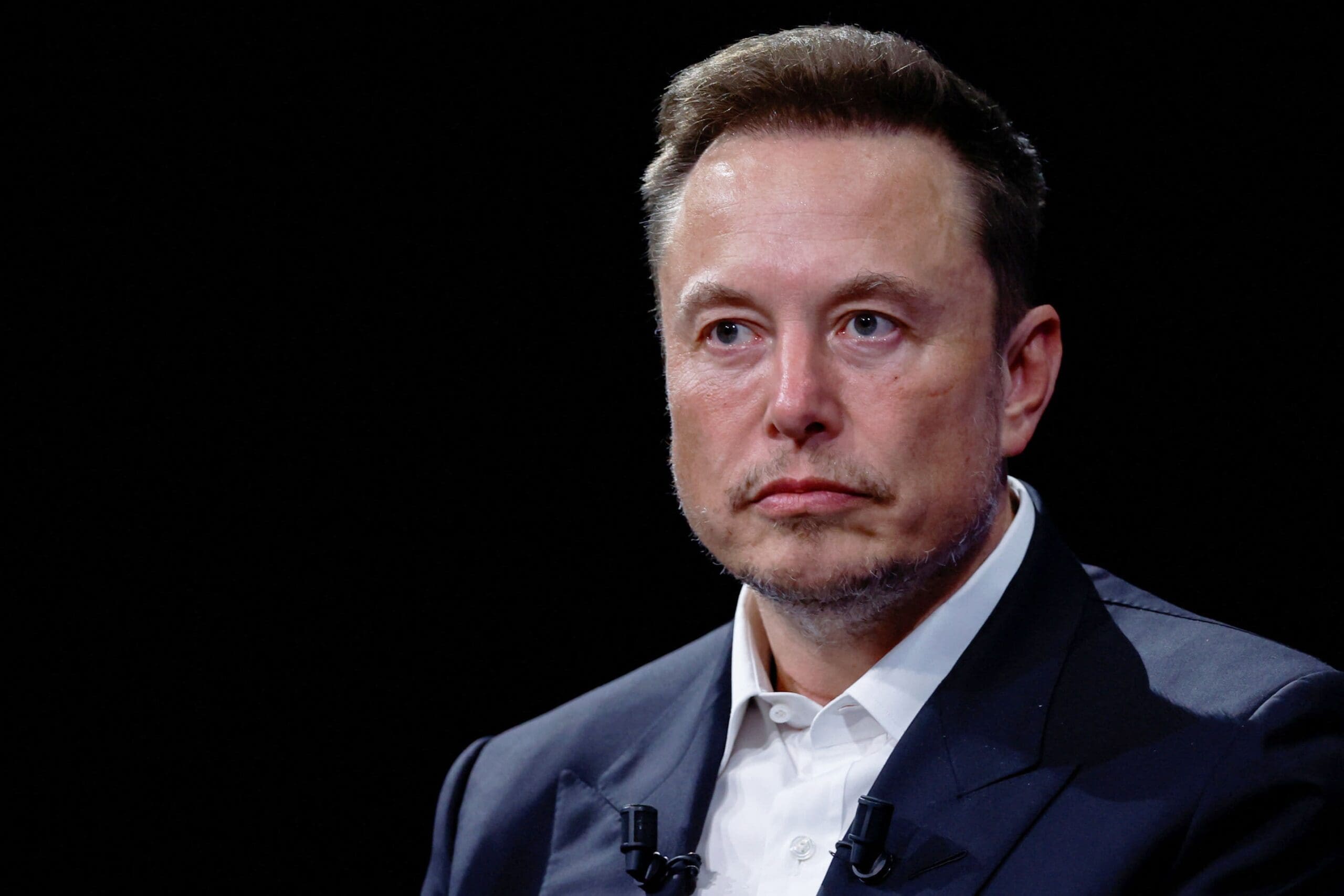
Beyond motor-control interfaces, Neuralink is also developing Blindsight, an experimental implant designed to restore a degree of vision to blind individuals by stimulating the brain’s visual cortex. The device received breakthrough device designation from the U.S. Food and Drug Administration (FDA) in September 2024, with Elon Musk comparing the initial visual resolution to early Atari graphics.