SpaceX completes design for miniature rooftop cell towers to eliminate indoor dead zones
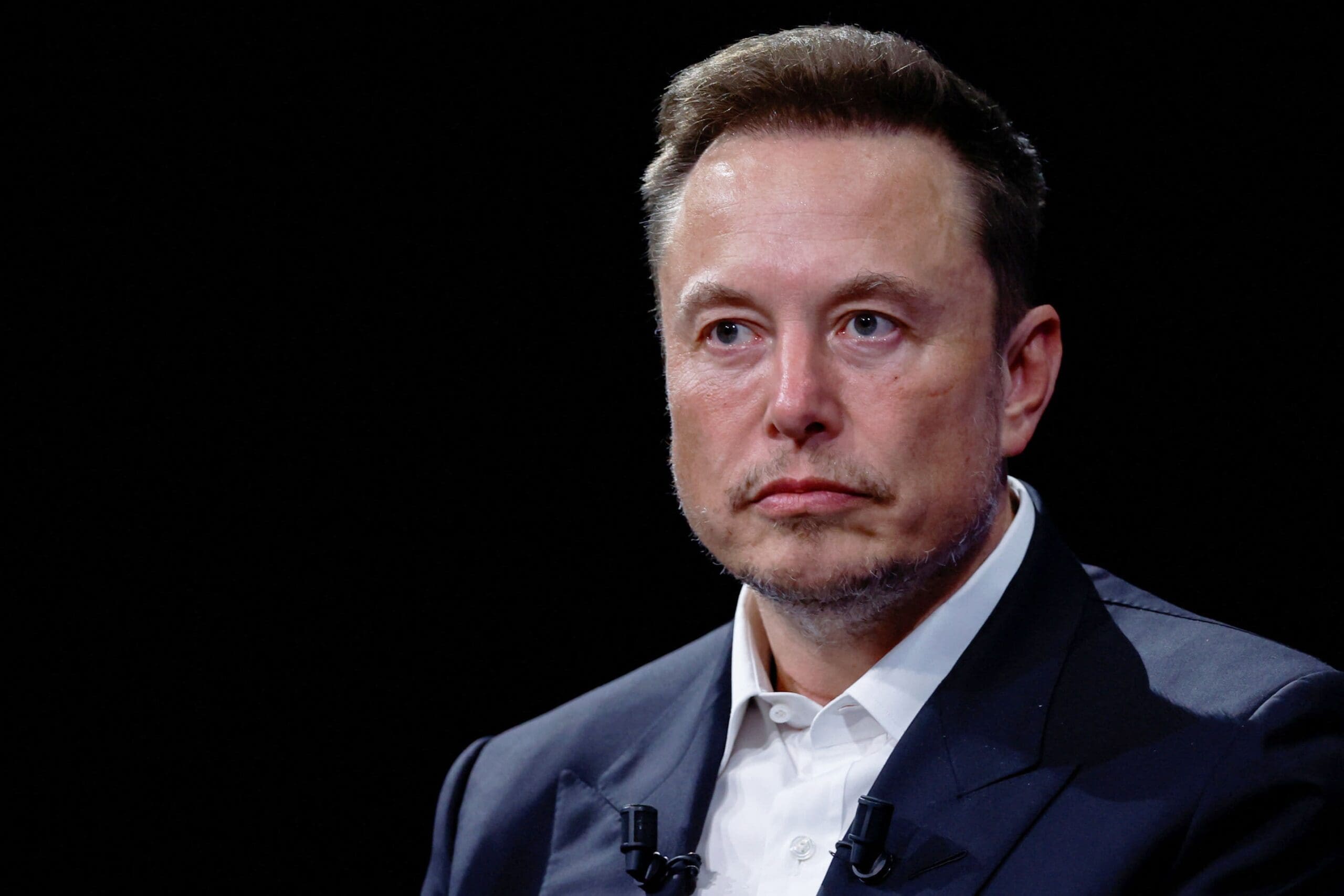
SpaceX has completed the engineering design for a miniature rooftop cellular tower intended to extend mobile phone connectivity indoors and eliminate signal dead zones where direct satellite links struggle to penetrate, Chief Executive Officer Elon Musk announced during an interview at the DealBook Summit.
Describing the hardware as a micro cell tower comparable in installation to a standard Starlink dish, Musk indicated that the units are expected to enter production in 2027. The terrestrial transmitters are designed to solve a core physical limitation of space-based cellular networks: thick building materials and metal roofs that block signals transmitted from low-Earth orbit.
The announcement builds on SpaceX’s broader push toward ubiquitous mobile coverage. Musk noted that the company plans to deploy its Direct-to-Cell V2 satellite constellation next year, a system expected to boost bandwidth capacity 40-fold. SpaceX previously secured Federal Communications Commission (FCC) approval in 2024 to launch direct-to-phone Starlink services in partnership with T-Mobile, subsequently bolstering its terrestrial and orbital capacity through a $17 billion spectrum transaction with EchoStar in 2025 and an agreement this year to acquire an $8 billion low-band spectrum portfolio.
Combining licensed wireless spectrum with local micro base stations follows remarks made by SpaceX President Gwynne Shotwell during an August earnings call, where she confirmed the company would deploy small, low-power cellular base stations rather than conventional macro cell towers. Musk added that SpaceX is evaluating bundling the miniature cell stations directly with Starlink terminals.
Despite speculation that SpaceX’s hybrid cellular-satellite network could threaten traditional telecom carriers, Musk said he does not expect companies such as AT&T or Verizon to go out of business. Instead, he predicted that future wireless bandwidth demand will expand dramatically, driven primarily by superintelligence systems and autonomous robots requiring substantially higher data throughput than human users.