Nvidia halts H200 chip sales in China following Jensen Huang’s departure
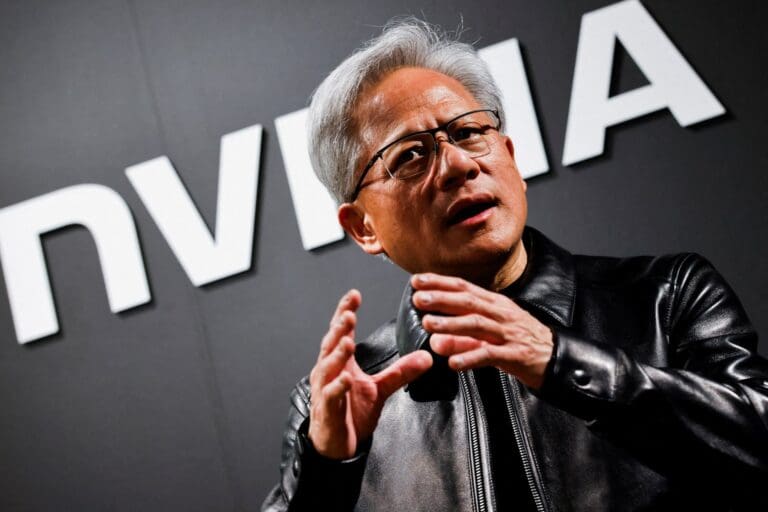
Nvidia will no longer sell its H200 artificial intelligence accelerators in China, acting Chief Executive Officer Colette Kress announced on Tuesday, ending the chipmaker’s participation in a controversial trade pathway following the departure of co-founder and former CEO Jensen Huang.
Speaking during Nvidia’s first quarterly earnings call since Huang stepped down last week, Kress confirmed the halt to H200 shipments. The disclosure coincided with Nvidia announcing the creation of a new board-level committee tasked with overseeing national security policies, export control compliance, and global trade risks.
The discontinued H200 sales arrangement had been brokered by Huang and U.S. President Donald Trump, permitting shipments into China provided the hardware routed through the United States and incurred a 25% tariff. While Huang had previously argued that competing inside the Chinese market prevented U.S. firms from ceding ground to domestic alternatives, the pathway faced opposition from U.S. lawmakers seeking to restrict Chinese computing capacity. Even prior to Nvidia’s announcement, China had largely declined H200 deliveries to stimulate demand for its domestic semiconductor industry, according to Jacob Feldgoise, a researcher at Georgetown’s Center for Security and Emerging Technology.
The strategic pivot accompanies new U.S. export regulations issued Monday that prohibit advanced American AI chips from being supplied to foreign data centers serving Chinese customers remotely. While investment bank Jefferies projected that these restrictions could trim between $44 billion and $62 billion from Nvidia’s data center revenue next year, Kress stated that existing demand backlogs for next-generation architectures such as Vera Rubin mean the controls will have no impact on top-line revenue.
Over the longer term, the restrictions carry implications for Nvidia’s presence across Southeast Asia, including potential customer losses in Singapore, Malaysia, Thailand, and Indonesia. Nvidia’s Singapore subsidiary generated $104 billion in annual revenue in 2025 before the company ceased disclosing regional breakdowns, and critics have estimated that up to 20% of Nvidia’s revenue stemmed from China-linked demand.
Addressing evidence that leading Chinese AI models were trained using restricted Nvidia Grace Blackwell chips at overseas facilities, export control attorney Dan Fisher-Owens noted that large international data centers seeking to purchase Nvidia processors will now be required to certify that they do not serve any Chinese clients—a compliance hurdle that could push non-certifying operators toward competing chip suppliers.