AMD, Saudi MCIT, and DCO launch open developer ecosystem initiative at LEAP 2026 to scale AI innovation
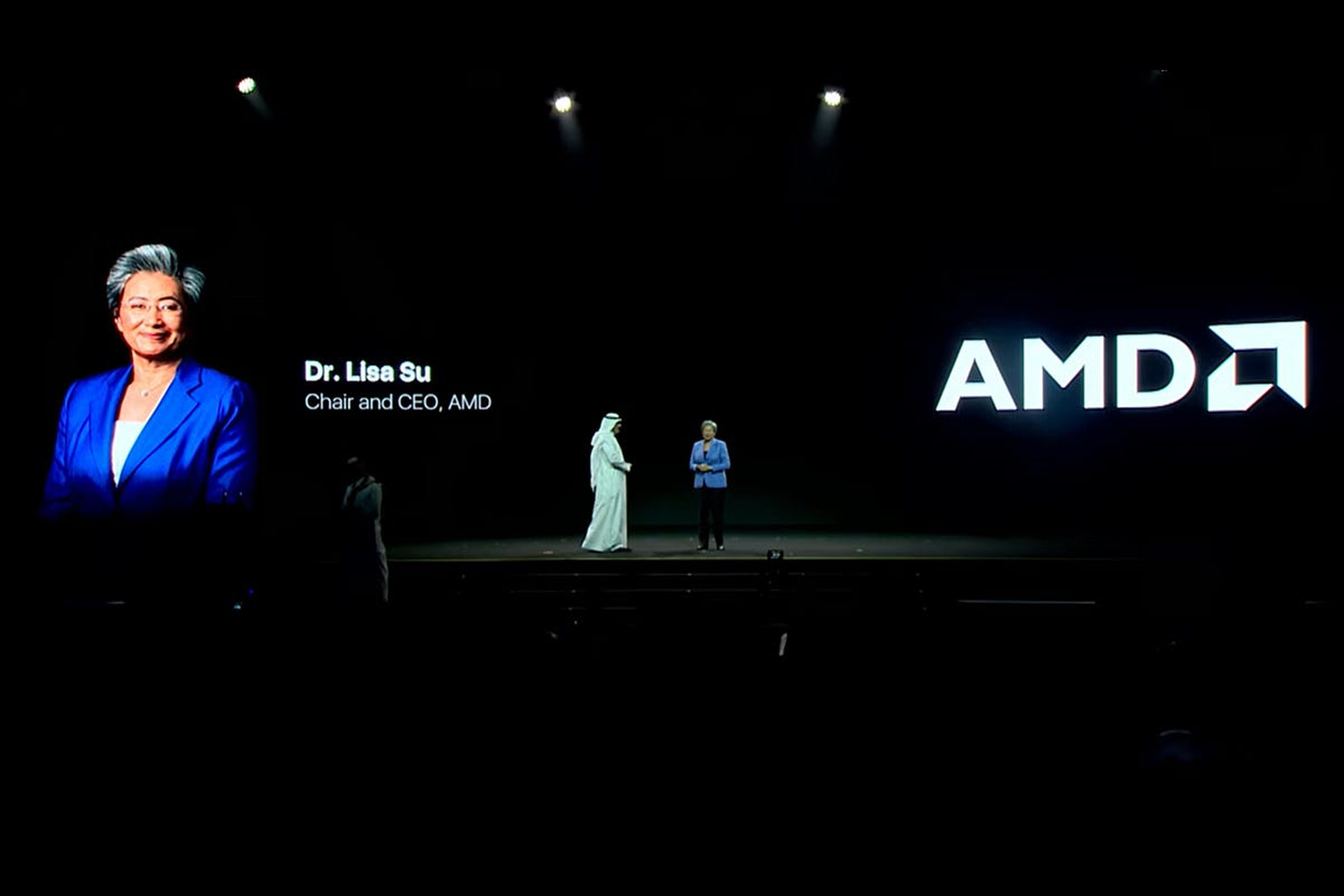
AMD, the Ministry of Communications and Information Technology (MCIT) of Saudi Arabia, and the Digital Cooperation Organization (DCO) have announced a tripartite initiative to construct an open developer ecosystem engineered to scale AI adoption and capability building.
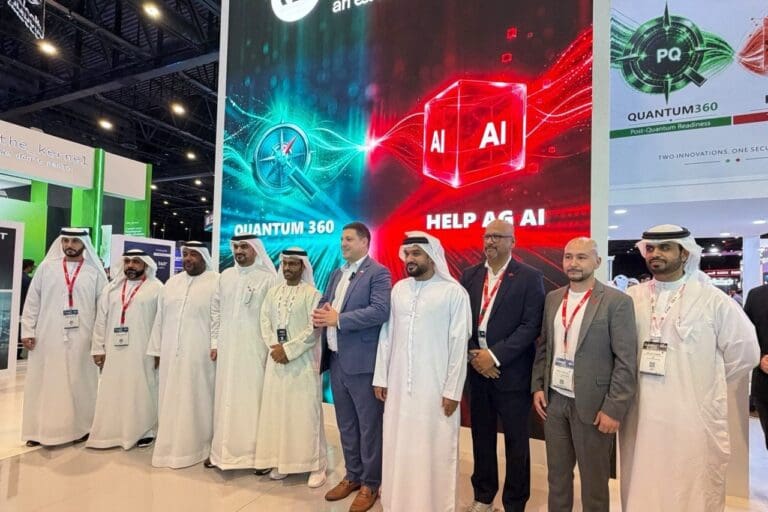
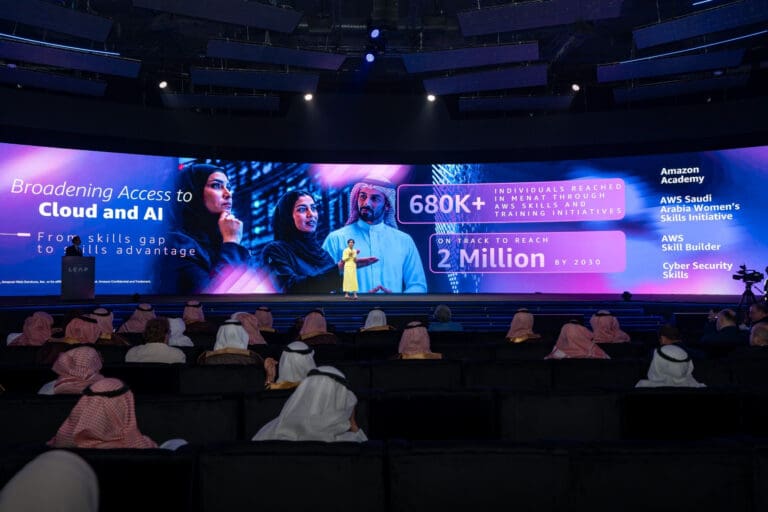
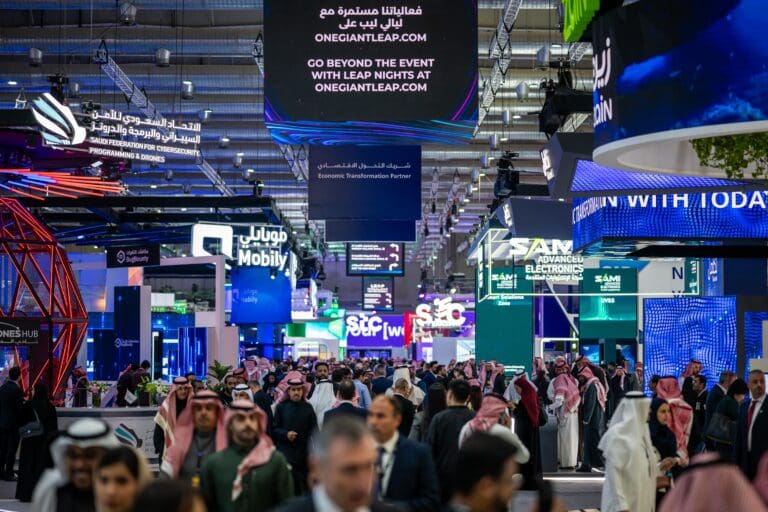
The coalition hosted its inaugural technical session on Monday, August 31, during the LEAP 2026 technology conference in Riyadh, which is being covered by the MENA TECH team. The workshop introduced technical attendees to the AMD AI Developer Program, its hardware architecture portfolio, and the open-source AMD ROCm™ software platform. Concurrently, the DCO presented its dedicated training modules covering AI ethics and responsible governance frameworks.
By lowering access barriers to advanced compute tools, the initiative bridges startups and digital talent directly with AMD’s engineering experts to help commercialize localized AI applications and services.
Dr. Lisa Su, Chair and CEO of AMD, emphasized that AI’s transformative value lies in what developers build: “Together with MCIT and DCO, we are expanding access to AMD’s open software and AI platforms and helping developers, startups, and engineers across Saudi Arabia build the skills to turn ideas into real-world applications.”
His Excellency Abdullah bin Amer Alswaha, Saudi Minister of Communications and Information Technology, stated: “AI leadership is built by empowering people to build, innovate, and compete. Our collaboration with AMD and the DCO will expand access to advanced AI technologies and open innovation ecosystems- enabling developers and startups in Saudi Arabia to scale solutions globally.”
Deemah AlYahya, Secretary-General of the DCO, added that the collaboration embodies effective multilateral cooperation by translating technical breakthroughs into inclusive economic growth. Following the initial Saudi rollout, the DCO plans to engage interested Member States to replicate the capacity-building framework and facilitate cross-border AI knowledge sharing.