OLED, QLED, Mini LED, RGB-Mini LED, SQD-Mini LED TV: an honest comparison of what each display technology can actually do

The premium television market uses a language designed to impress rather than inform. Here is what each technology actually delivers, and where each one runs out of road.
Buying a premium television in 2026 means navigating display technology names that can seem engineered to obscure as much as they reveal. OLED. QLED. Neo QLED. Mini LED. RGB-Mini LED. SQD-Mini LED TV. Each carries marketing weight. Not all carry the same engineering substance. Here is what each actually does, clearly.
OLED: genuine brilliance, genuine limits
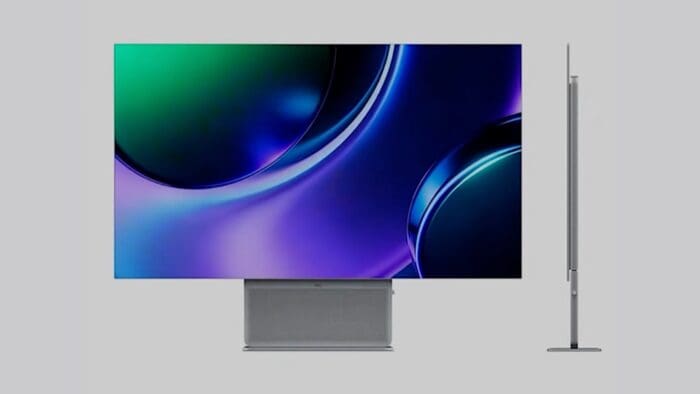
OLED, or Organic Light-Emitting Diode, produces its image through organic compounds that emit light when electrically stimulated. Each pixel is its own light source, allowing OLED to switch individual pixels off completely and produce absolute black. For dark-room, cinema-style viewing, OLED has delivered picture quality that conventional LED displays have historically struggled to match. Its limitations come from the organic materials themselves: brightness and colour performance can change over time, static on-screen elements can create image-retention risk, and manufacturing becomes increasingly complex and costly at very large screen sizes.
QLED: quantum dot colour enhancement on an LCD foundation
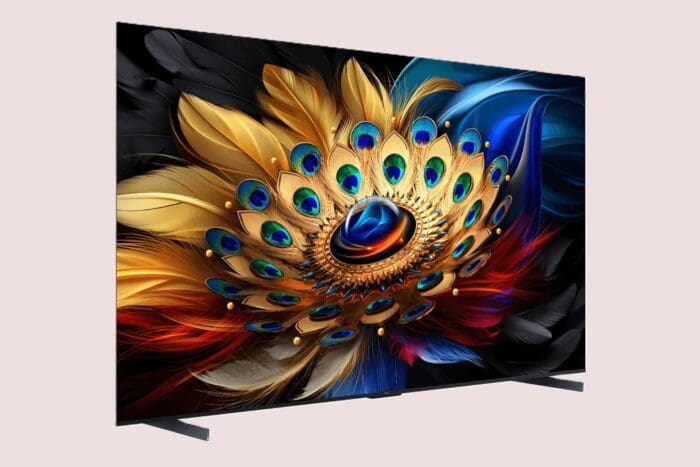
QLED is a commercial term generally applied to LCD televisions with quantum dot colour enhancement. The underlying display remains an LCD panel with LED backlighting, while the quantum dot layer improves colour gamut and accuracy. QLED can deliver strong picture quality, but its local contrast performance still depends heavily on the backlight architecture and dimming system behind the panel.
Standard and RGB-Mini LED: an upgrade with a new colour challenge
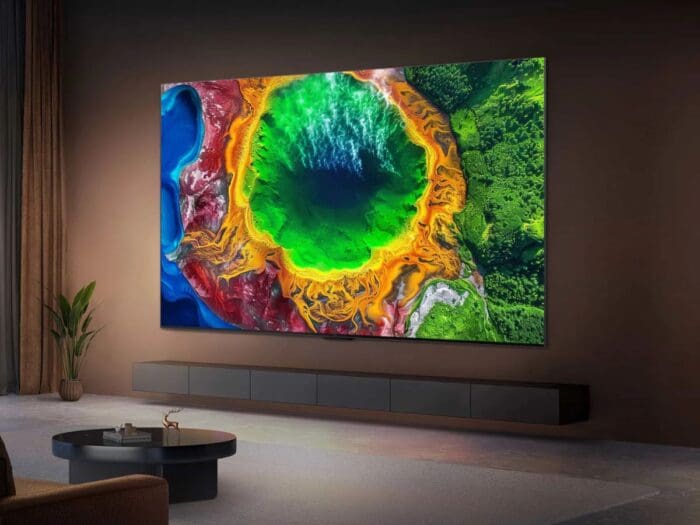
Mini LED uses much smaller LED components in the backlight, enabling more dimming zones and finer local contrast control. RGB-Mini LED variants use separate red, green and blue LED components within the backlight. This can improve brightness and colour capability, but the mixing of separate RGB light sources can also create colour crosstalk at high-contrast boundaries, where unwanted tinting becomes visible around bright objects against dark backgrounds.
SQD-Mini LED TV: colour precision from the light source to the panel
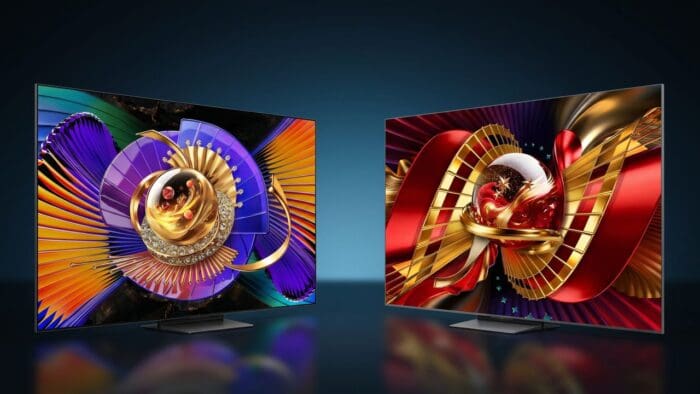
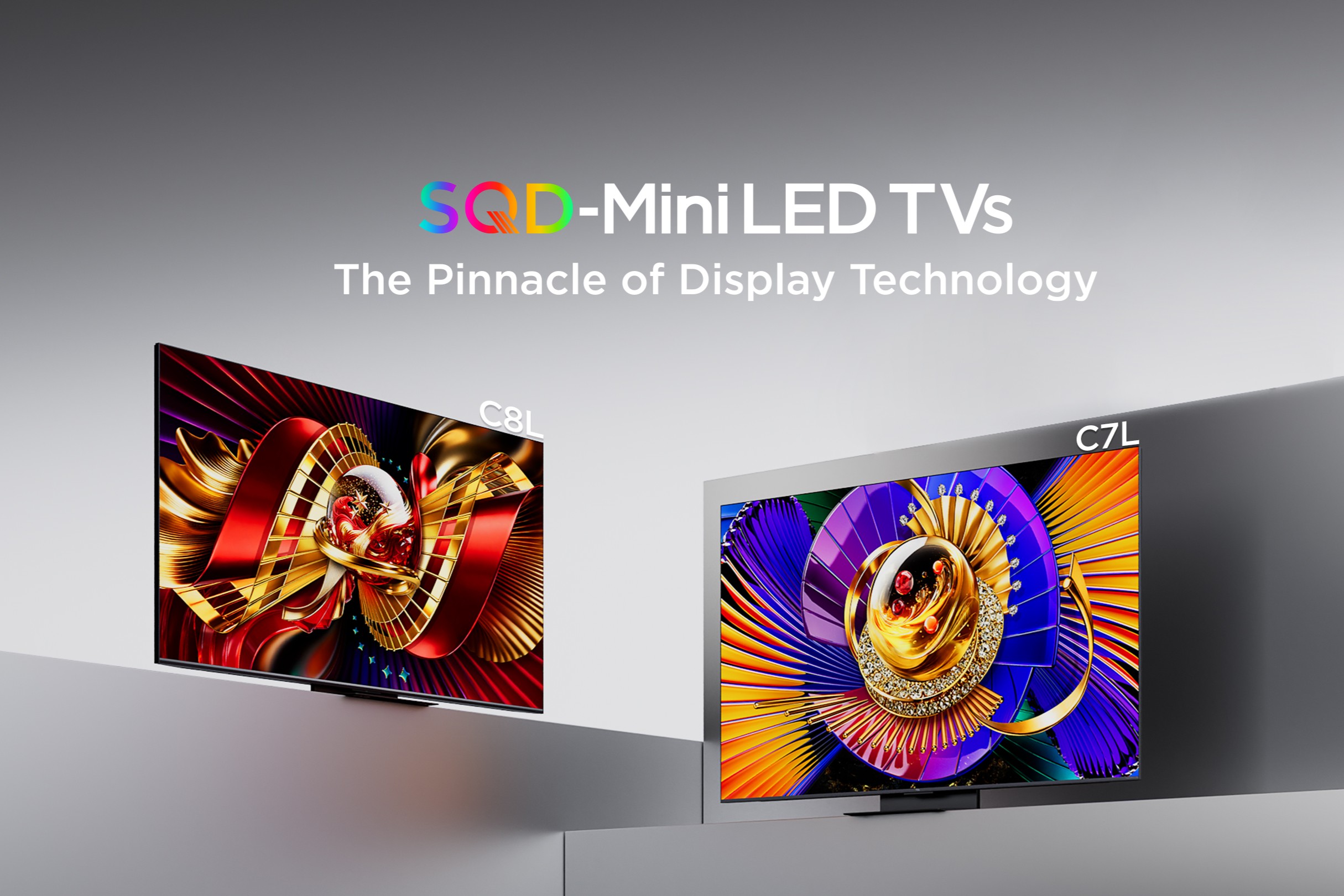
Instead of relying on RGB LED mixing, TCL’s SQD-Mini LED TV uses a blue LED backlight to activate quantum dots, producing highly pure red, green and blue light. This output is then refined through the Ultra Color Filter, helping to minimise RGB colour crosstalk and reproduce colour with greater accuracy and realism. The combination supports an ultra-wide colour gamut of up to 100% BT.2020. Precise Dimming Series adds up to three times the dimming precision of an RGB-Mini LED display using the same LED package count, while the flagship X11L reaches up to 10,000 nits of peak brightness and more than 20,000 local dimming zones.
For consumers in UAE choosing a premium large-screen television, SQD-Mini LED TV brings colour, contrast, brightness and scale together within one display architecture.