Even after end of service, Windows 10 still has 1 billion users
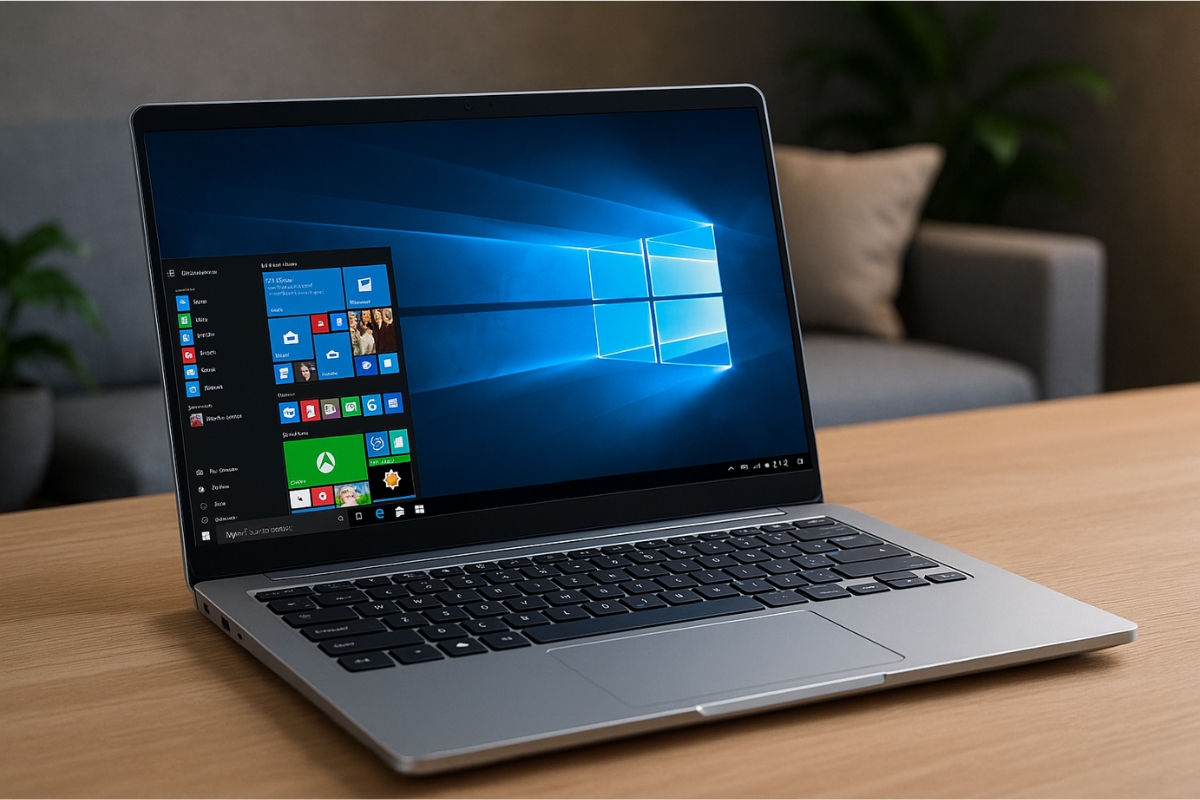
Even though Microsoft ended mainstream support for Windows 10 last October, the aging OS still has a substantial user base. Dell estimates that roughly one billion PCs are still running Microsoft’s previous-generation OS, and persuading those users to transition to the newer version may not be easy.
During Dell’s latest earnings call, COO Jeffrey Clarke said that approximately 500 million Windows devices in the market are too old to run Windows 11. He added that another 500 million are technically capable of running the newer OS but have not been upgraded. Clarke said both groups present opportunities to push users toward modern platforms.
StatCounter’s most recent figures show Windows 10 installed on 42.62% of desktop systems, years after its successor was launched. Windows 11, by comparison, accounts for 53.79% of global Windows installations. The next most widely used version, Windows 7, holds under 3% of the market.
Even though the recent end of support pushed Windows 11’s share considerably, a significant, immediate migration away from Windows 10 was never realistic. This was further compounded by Microsoft’s introduction of an extended security update program that provides an additional year of critical patches. The program is free for OneDrive users or can be purchased for a one-time fee of $30, which can also be redeemed using 1,000 Microsoft Reward points.
Even without the extended update option, getting every Windows 10 user to upgrade at once was unlikely. Many PC owners resist change or do not fully grasp the risks of ignoring current security updates. In addition, most apps and services are expected to continue supporting older operating systems for some time.
Windows 11 launched in late 2021 as the direct successor to Windows 10, but its adoption has been more complicated than previous transitions. Microsoft introduced strict hardware standards that block many seemingly capable machines from installing the latest OS. The aforementioned 500 million devices are among those that were “left behind” with the Windows 11 rollout.