Nvidia instructs partners to halt AI server shipments to four Southeast Asian nations
Nvidia has directed its server manufacturing partners to halt shipments to four Southeast Asian countries as Washington tightens export controls aimed at preventing Chinese technology firms from accessing advanced artificial intelligence computing power.
According to three people familiar with the matter, hardware manufacturers such as Dell and Supermicro – which integrate Nvidia processors into enterprise servers – have notified buyers in Malaysia, Singapore, Thailand, and Indonesia that Nvidia will not authorize their orders for delivery. It remains unclear whether the freeze is temporary while Nvidia and its supply chain partners determine how to comply with new U.S. regulations.
The four Southeast Asian markets have become key hubs for Chinese AI developers seeking access to Nvidia’s restricted processors by renting remote capacity from regional cloud computing providers. The region accounts for substantial commercial activity for the chipmaker, whose Singapore subsidiary recorded $104 billion in revenue in 2025 – a 72% increase over 12 months, including certain revenues attributed to Taiwan and China.
Last week, the U.S. Department of Commerce introduced new rules targeting remote cloud workarounds, establishing a 90-day deadline for cloud providers to secure a license proving that their end users do not include restricted entities. Cloud executives reported operational disruption due to a lack of clear procedural guidance on submitting license applications as the 90-day window progresses.
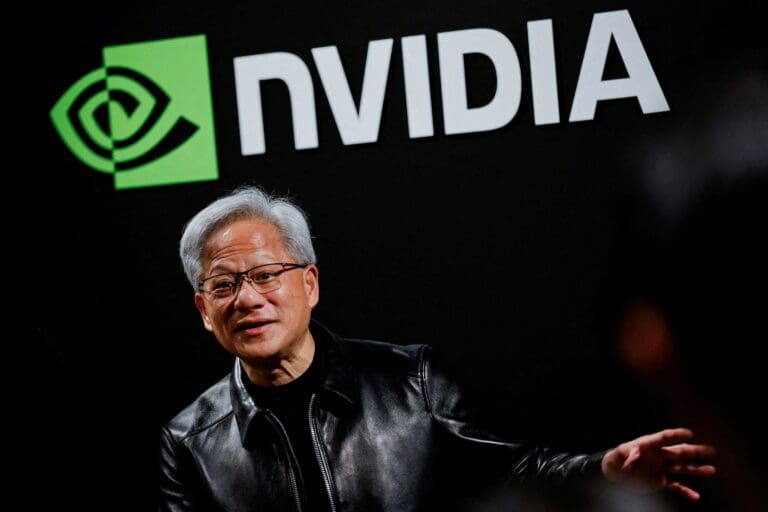
The rules were issued following the brief ouster of Nvidia CEO Jensen Huang over reports of extramarital affairs, including one involving a woman linked to a cloud operator investigated for alleged chip smuggling to Chinese clients. Although some industry observers anticipated that Huang’s return as chief executive this week might soften enforcement, people familiar with the situation indicated there is little sign Nvidia will hold back from implementing the restrictions.
The shipment freeze places billions of dollars in Southeast Asian AI data center construction at risk, particularly across Malaysia and Indonesia, where infrastructure expansion has been heavily driven by Chinese demand. Among the affected projects is Singapore-based cloud firm Aolani, which planned to lease advanced computing capacity to TikTok parent ByteDance.