Four security myths the attackers have already stopped believing
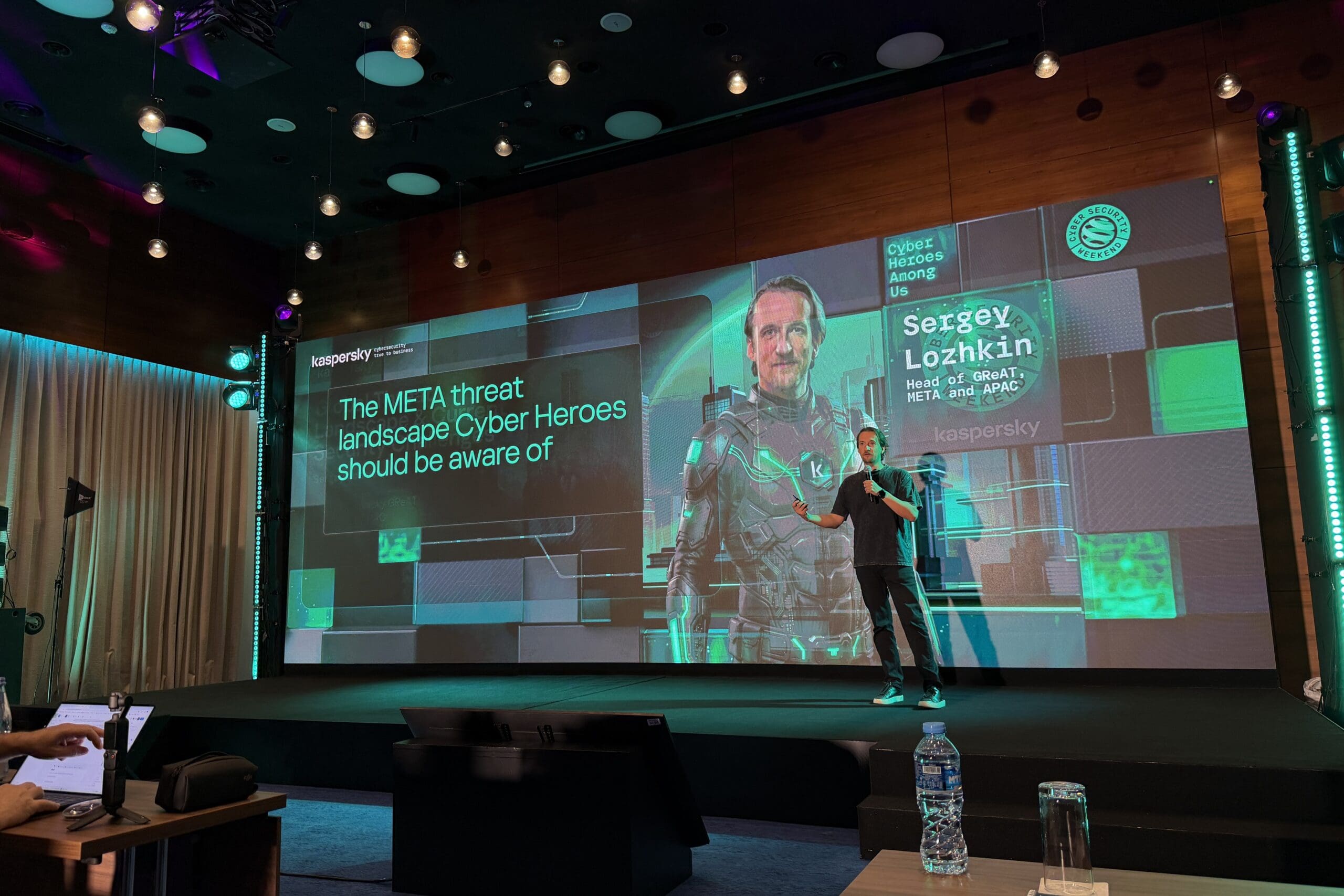
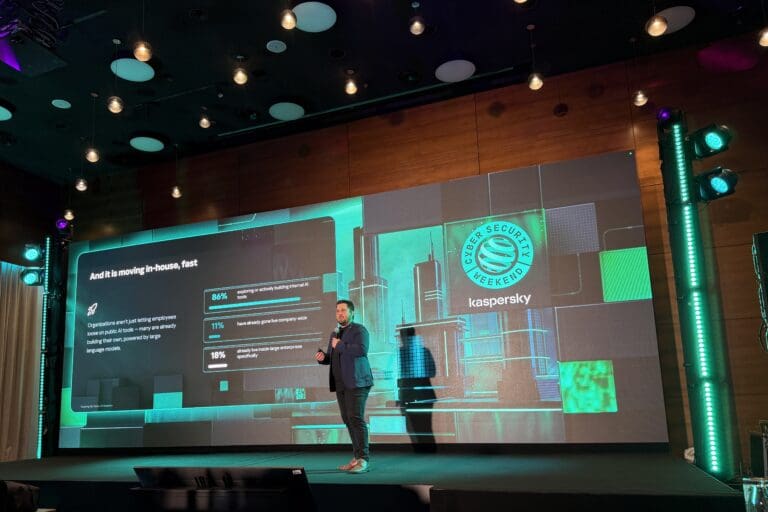
Cybersecurity advice has long focused on phishing emails, malicious downloads and weak passwords. MENA TECH attended Kaspersky’s Cyber Security Weekend in Tbilisi, Georgia, at Kaspersky’s invitation, where researchers from the Global Research and Analysis Team (GReAT) argued that many of those assumptions no longer reflect how modern attacks unfold. They said attackers now spend more effort choosing who to target than deceiving them once they’ve been selected.
None of these technologies, AI assistants, adtech and cloud platforms, were built to be dangerous. Adoption at scale made all three useful to attackers.
Myth 1: The attack starts when someone clicks
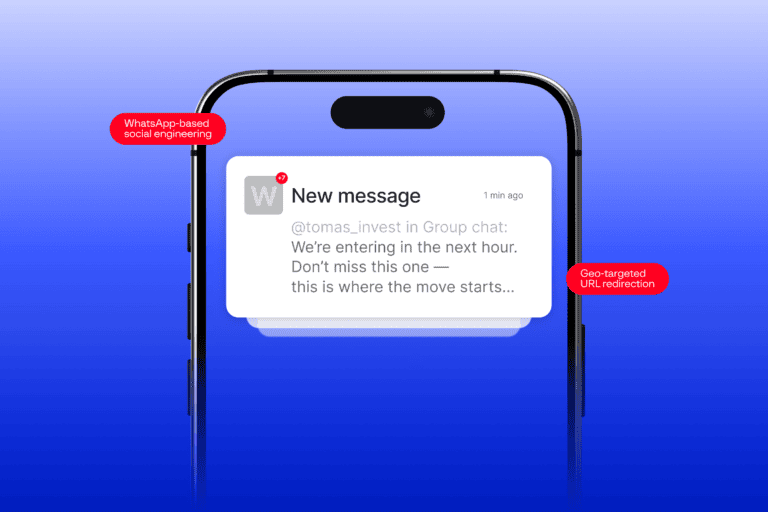
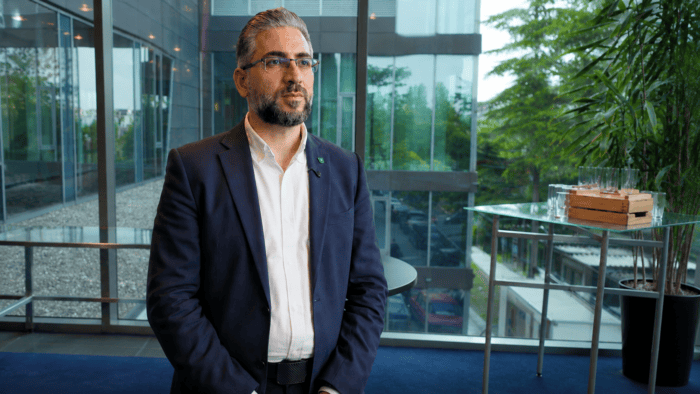
Maher Yamout, Lead Security Researcher at GReAT, said advanced malware increasingly presents itself as adware, and that attackers use the advertising ecosystem to profile targets before delivering any payload. Some spyware, he said, installs with no user interaction at all.
“There have been several leaks that demonstrate this capability by abusing and exploiting the adtech ecosystem, and how it is being used to deliver zero-click spyware,” Yamout said.
The reframe: reconnaissance used to follow the breach. Increasingly it precedes it, so user vigilance cannot be the first line of defence when there is nothing to fall for.
Myth 2: Turning off tracking means you are not being tracked
Declining Apple’s “Ask App Not to Track” prompt restricts an app’s access to the advertising identifier (IDFA), Yamout said. It does not switch off data collection or prevent other techniques for inferring who a user is. Adtech is one of the internet’s largest continuously updated behavioural datasets, and signals built for ad targeting also support target selection.
The reframe: treat the ad-ID opt-out as limiting one identifier, not as a privacy setting.
Myth 3: AI does what you ask it to do
Sergey Lozhkin, Head of GReAT for APAC and META, said generative AI tools have become agents that act autonomously, a new attack surface for businesses deploying them. The question is no longer what a model outputs, but what an agent may reach and who is accountable when it acts, while users feed it steadily more sensitive material.
“If you trust blindly and don’t understand cybersecurity hygiene, the AI attack vector through a malicious skill or malicious MCP server could become a major entry point into your systems,” Lozhkin said. “I’m not speaking only about individuals. I’m speaking about enterprises, especially mid-sized businesses that are coding, designing and adopting AI without thinking about the security of their AI systems and AI agents.”
The reframe: scope what an agent can reach the way you would scope a contractor’s credentials. Agent permissions are access grants, not settings.
Myth 4: The device is the thing you defend
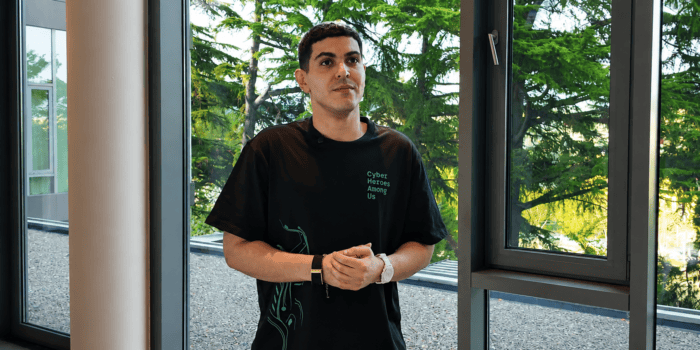
Omar Amin, Senior Security Researcher at Kaspersky, said advanced persistent threat groups now optimize for dwell time rather than intrusion, staying undetected while working toward sensitive projects, documents, email accounts and credentials. Meanwhile organisations run on AI assistants, cloud platforms, integrations and ad networks exchanging data in the background, with each connection becoming a point of exposure. Beliefs about macOS immunity have not survived that reality either.
The reframe: move detection budget toward dwell time, and inventory connections, not just endpoints. Most organisations can list their laptops; far fewer can list their integrations.
The assumptions aged, not the technology
Conventional advice has not expired. Credentials, patching and phishing awareness still matter. They are simply no longer enough on their own. As organisations across the META region accelerate AI adoption, the defensible unit is shifting from the device to the ecosystem around it. It is the assumptions built for the former that have aged, not the technology.