Google Introduces Universal Cart: An AI-Powered Shopping Cart Across Search and Gemini
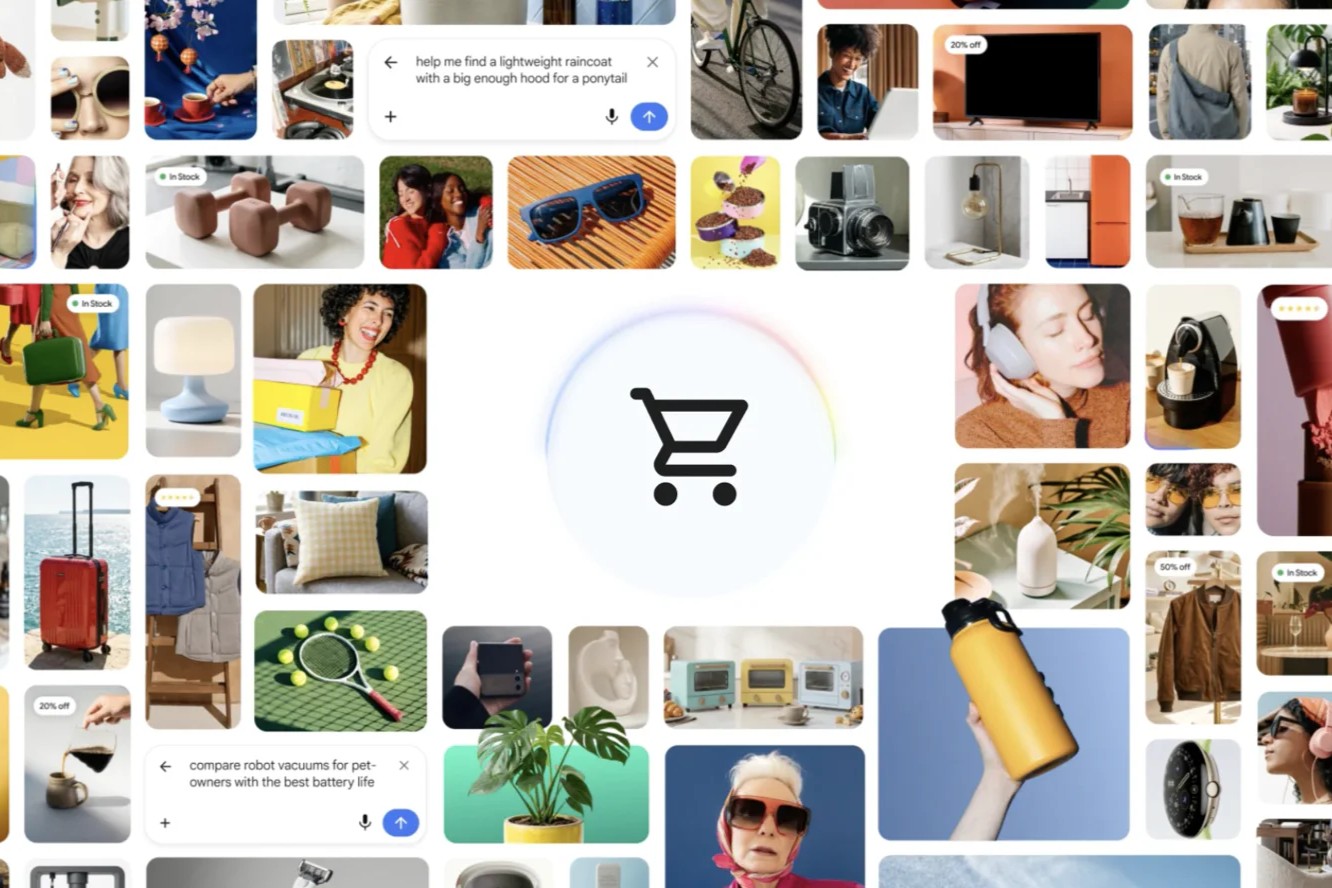
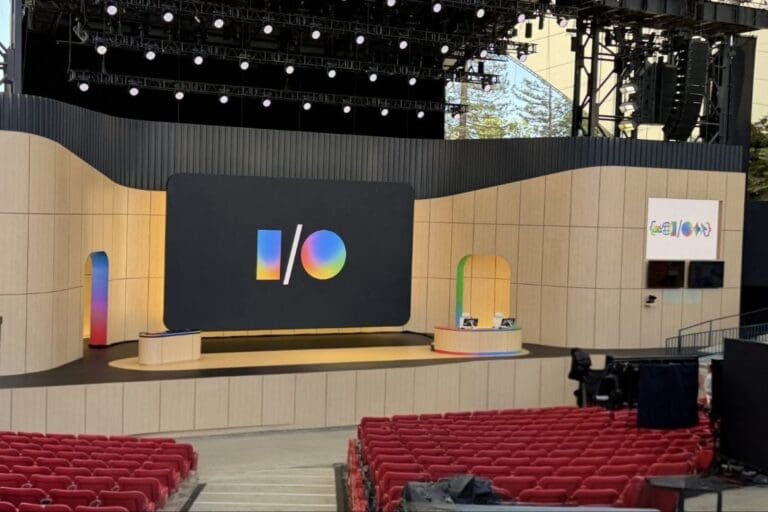
Google unveiled Universal Cart during Google I/O 2026, introducing a new AI-powered shopping experience designed to make online shopping smarter, more connected, and easier across Google’s services.
The announcement comes as shopping activity across Google products continues to grow. According to the company, users shop across Google services more than one billion times every day. With the rise of agentic AI, Google is now moving the shopping experience beyond product discovery and into a more intelligent layer that can compare, monitor, recommend, and assist users before they buy.
A Shopping Cart Across Search, Gemini, YouTube, and Gmail
Universal Cart is designed to act as an intelligent shopping hub across Google’s ecosystem. Instead of managing products separately across different services, users will be able to add items to a single cart while browsing Google Search or chatting with Gemini.
Google plans to expand the experience later to YouTube and Gmail, allowing users to add products they see in a video or encounter in an email to the same shopping cart without switching between multiple platforms.
More Than a Place to Save Products
Universal Cart is not just a place to store items. Once a product is added, the cart begins working in the background to find deals, track price drops, show price history, and notify users when an item comes back in stock.
The experience is powered by Gemini models, which means the cart is designed to become more useful over time as the models improve. In practice, this turns the shopping cart from a passive checkout tool into an active shopping assistant.
Proactive Intelligence Before Checkout
One of the key features of Universal Cart is its ability to use intelligent reasoning to detect potential problems before a purchase is completed. For example, if a user is building a custom PC and adds components from different retailers, the cart can proactively flag incompatible parts and suggest better alternatives. This could help users avoid costly mistakes before reaching checkout.
Universal Cart is also built on Google Wallet, allowing it to understand payment method benefits, loyalty programs, and merchant offers. Based on that context, it can help users choose the payment method that offers the best value, whether through rewards points, discounts, or hidden savings opportunities.
Universal Commerce Protocol for Easier Checkout
Google is also relying on the Universal Commerce Protocol, or UCP, a protocol designed to create a common language between agents and commerce services, making checkout easier across Google products.
Through UCP, users will be able to check out directly with Google Pay across many participating brands, or move their products to the merchant’s website to complete the transaction. In either case, Google says the merchant remains the official seller responsible for the order. Universal Cart will launch across Google Search and Gemini in the United States this summer, with YouTube and Gmail support coming later.
Expanding UCP to More Markets
Google says it is expanding the impact of Universal Commerce Protocol after co-developing it with retail industry leaders earlier this year. The company also recently welcomed new technology partners to help guide and expand the open standard.
Google plans to bring UCP-powered checkout experiences to Canada and Australia in the coming months, followed by the United Kingdom later this year. The protocol is also expected to expand beyond traditional e-commerce into areas such as hotel bookings and food ordering.
AP2: A Protocol for Secure Agentic Purchases
Alongside UCP, Google introduced the Agentic Commerce Protocol, or AP2, which is designed to allow AI agents to make secure payments on behalf of users under clear boundaries. AP2 allows users to define strict conditions before an agent can complete any purchase. These conditions can include preferred brands, product types, and maximum spending limits. The agent can only proceed when the purchase matches the user’s criteria.
According to Google, AP2 creates a transparent and verifiable link between the user, the merchant, and the payment processor. It also uses privacy-preserving technologies to share only the information required to complete the transaction. Tamper-proof digital mandates help ensure that the agent acts according to the user’s instructions, while creating a permanent digital record that can be used later for returns or order verification. Google says AP2 will begin rolling out across its products in the coming months, starting with Gemini Spark.
A Step Toward Agentic Commerce
Universal Cart shows that Google sees AI-powered shopping not as a standalone feature, but as a new layer across its broader ecosystem. The goal is to help users move from product discovery to decision-making and checkout with less friction.
While agentic commerce is still in its early stages, Google’s work on Universal Cart, UCP, and AP2 suggests a broader shift in how online shopping may evolve. In the future, AI agents could help users compare products, track prices, optimize payments, and even complete purchases within limits set by the user.