Mobility-as-a-Service accelerating in the MENA region

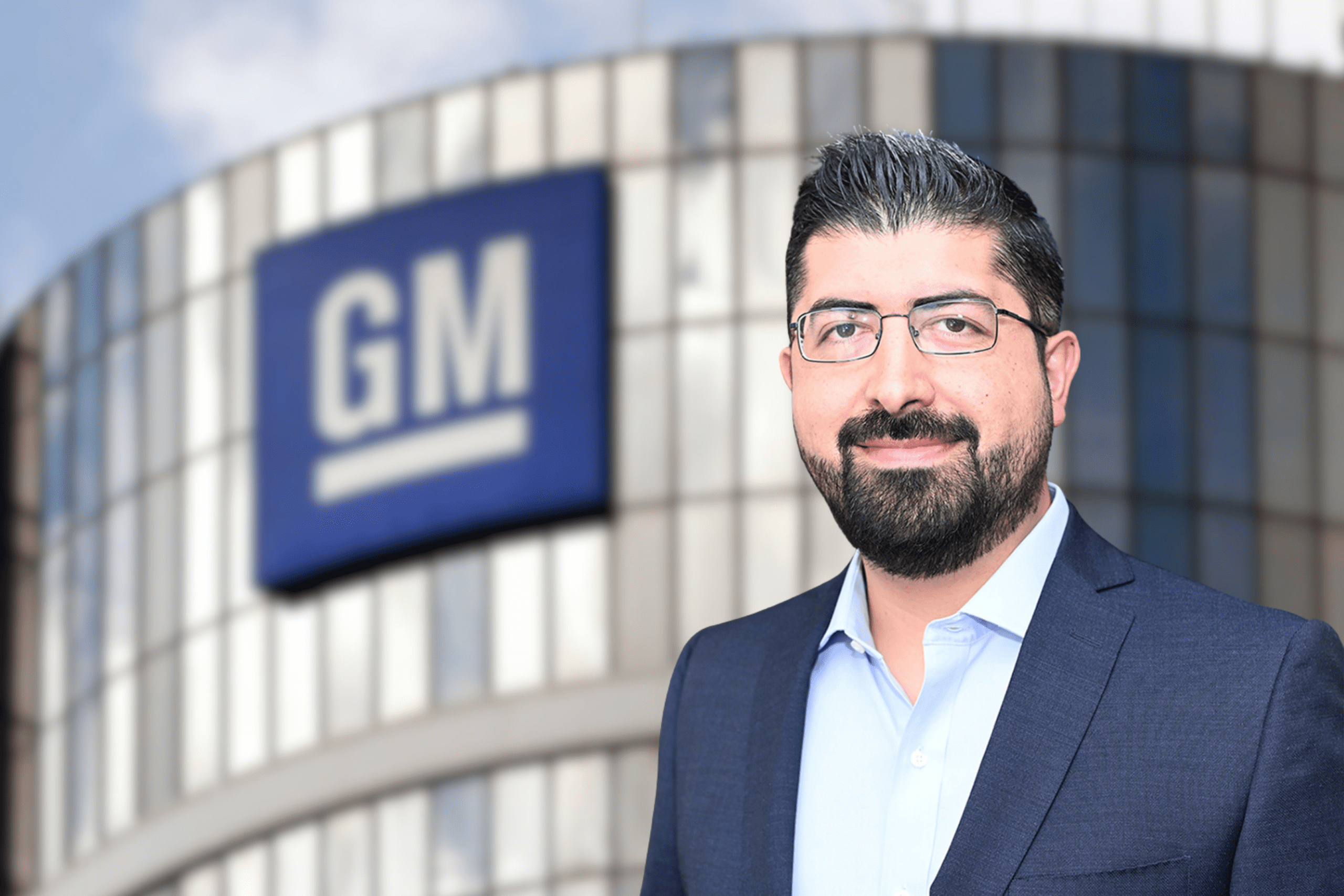
Guest article by Soham Shah, founder and CEO, SelfDrive Mobility
Once a region dominated by private car ownership, the MENA region is fast becoming a hub for smart, sustainable, and connected transportation solutions. This rapid transformation, powered by technology from AI and IoT to electrification and cloud-based mobility platforms, is reshaping how residents and businesses move.
At the forefront of this shift is the growing recognition that mobility is no longer about owning a vehicle, but more about accessing one when and how it is needed. Consumers are increasingly seeking flexibility, convenience, and sustainability—and technology is making that possible.
Technology: The modern mobility engine
Across MENA, governments are investing heavily in infrastructure and digital ecosystems to support this evolution. According to the Oliver Wyman Forum, the regional mobility service market is projected to grow to US$18 billion by 2035, driven by rapid urbanization, maturing technologies, and a young, tech-savvy population.
AI and big data are pivotal to this growth. In Riyadh and Dubai, AI-powered traffic management systems are optimizing traffic flow, cutting congestion, and reducing travel times. Predictive analytics help fleet operators manage demand and vehicle maintenance more efficiently, while AI-based safety systems monitor driver fatigue and detect incidents in real-time.
Similarly, IoT is enabling seamless connectivity between vehicles, infrastructure, and users. Smart transportation, connected parking, and real-time tracking are creating integrated, responsive mobility networks that enhance reliability and user experience. For example, real-time passenger information systems allow commuters to plan journeys across buses, metros, and ride-hailing services with greater accuracy and convenience.
Shifting gear to electrified and autonomous transport
The region’s embrace of electric and autonomous vehicles is equally transformative. The UAE and Saudi Arabia are leading the way through national strategies that prioritize clean and autonomous transport. Dubai aims for a quarter of all trips to be driverless by 2030, according to Dubai’s Roads and Transport Authority (RTA), while new pilot projects for autonomous shuttles and robo-taxis are underway in Abu Dhabi and Saudi Arabia’s futuristic NEOM smart city.
Electrification is also gathering pace, driven by decarbonization goals and renewable energy ambitions. UAE and Saudi Arabia are deploying electric buses, expanding EV charging networks, and supporting local manufacturing of electric vehicles and batteries. This integration of e-mobility within public and private transport systems marks a decisive step toward reducing emissions and improving air quality.
From ownership to access: The rise of Mobility-as-a-Service
We believe the next wave of innovation lies in the shift from vehicle ownership to vehicle access. This vision has led to the development of SelfDrive Mobility’s One Mobility, a cloud-based Software-as-a-Service (SaaS) platform designed for car dealerships across the Middle East. The platform enables partners to launch their own Mobility-as-a-Service (MaaS) offerings, including daily and weekly rentals, monthly car subscriptions, and digital leasing, through a single integrated system.
By providing real-time pricing, fleet visibility, inventory management, and customer analytics, the platform helps partners meet rising consumer demand for flexible, on-demand mobility options without the need for personal car ownership.
Technology is democratizing access to mobility. Dealerships can now extend their value chain beyond sales and servicing, offering customers seamless digital journeys that start and end with their mobile devices. This paradigm shift in the automotive ecosystem aligns perfectly with regional ambitions to foster smart, connected cities.
A future built on integration and innovation
What we are witnessing is not just a series of isolated innovations, but the emergence of an integrated mobility ecosystem. Ride-hailing, micromobility, e-mobility, and public transport are converging through digital platforms that make travel more efficient and sustainable.
Governments are also playing a catalytic role by investing in multimodal transport networks from Riyadh’s expansive metro and bus system to Abu Dhabi’s light rail and Dubai’s climate-controlled cycling highways. These initiatives are complemented by digital systems that use AI to manage traffic flow, smart tolls, and structured parking, all designed to reduce congestion and improve the quality of life.
The result is a regional mobility landscape that is more responsive, more intelligent, and more sustainable than ever. It is a vision of cities where technology serves people, not the other way around.
The Road Ahead
Technology is now the foundation of mobility. As the MENA region continues to embrace innovation, collaboration between governments, technology providers, and automotive partners will be key. Mobility platforms continue to demonstrate how technology can unlock new economic opportunities and empower local dealerships.
MENA’s mobility revolution – digital, data-driven, and deeply human – is well underway. By investing in smart solutions and sustainable infrastructure, the region is easing congestion and paving the way for a cleaner, more connected, and more flexible future of movement.