While robotaxis wait, Musk teases a flying car might come in 2025
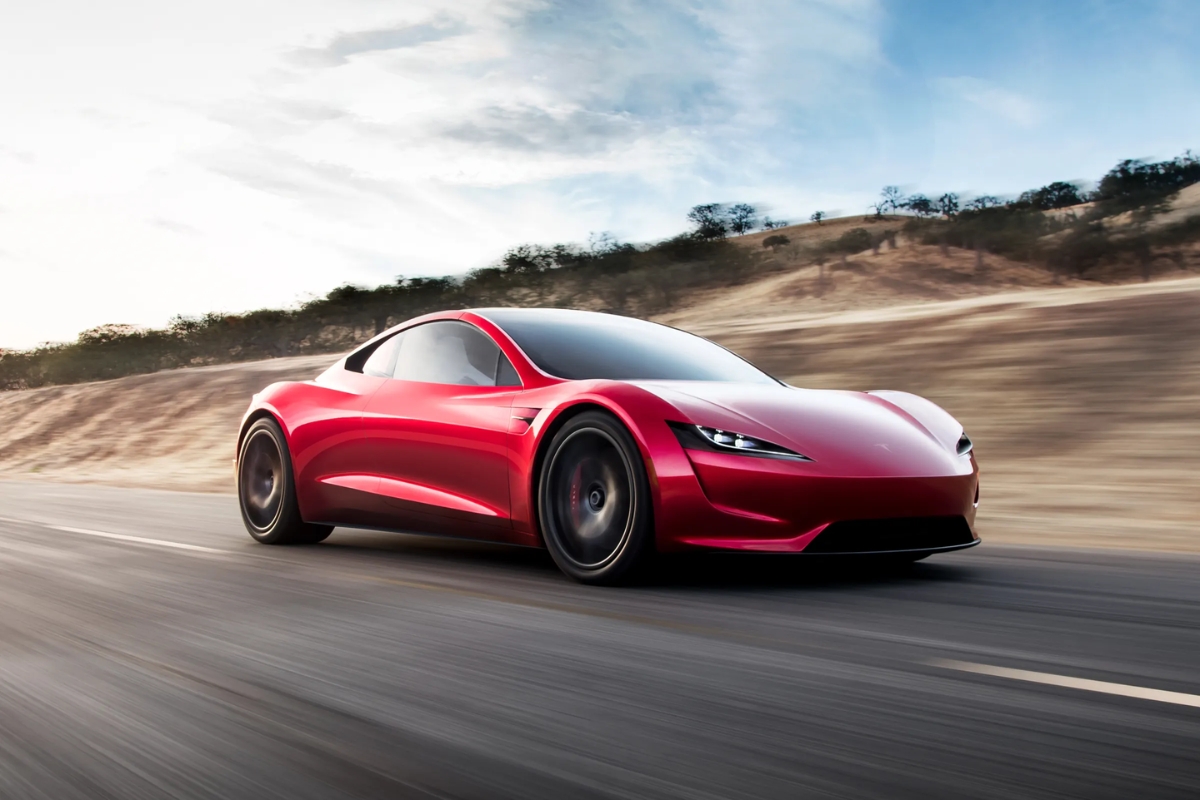
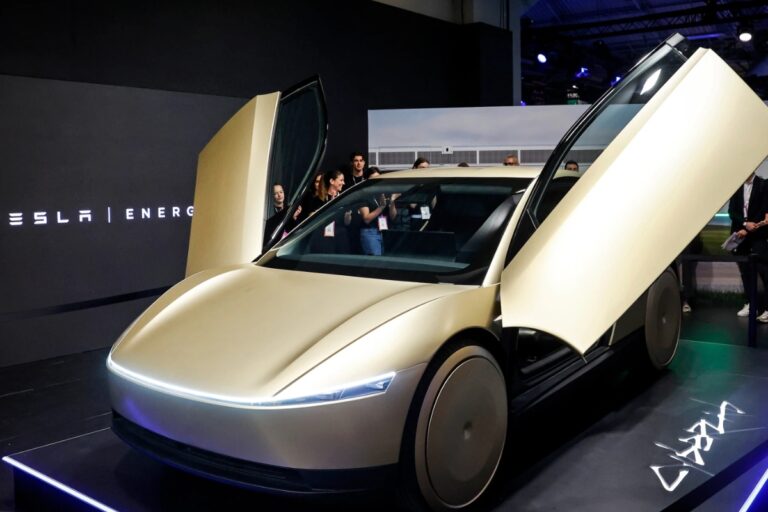
Elon Musk has reignited speculation about the future of his company’s electric vehicles once again. During a lengthy discussion on Joe Rogan’s podcast, he hinted that Tesla might demonstrate a flying car before the end of this year. His comments were intentionally vague, but he confirmed that the highly anticipated next-generation Roadster could feature technology unlike anything currently seen in the automotive industry.
Appearing on Rogan’s show last Friday, Musk was asked about the status of Tesla’s much-delayed Roadster, a successor to the company’s original sports car, which ended production in 2012. The new Roadster was first unveiled in 2017 and was slated to launch in 2020. However, as is typical for Tesla, the release was repeatedly delayed, with production still not underway.
During the interview, Musk hinted at an “unforgettable” product reveal, emphasizing that the technology would be both advanced and unconventional. “We’re getting close to demonstrating the prototype,” he said. “One thing I can guarantee is that this product demo will be unforgettable,” he added with a laugh, noting that it would be memorable “whether it’s good or bad.”
Pressed for more information, Musk referenced venture capitalist Peter Thiel’s well-known comment lamenting the absence of flying cars despite years of futuristic promises. “If Peter wants a flying car, we should be able to buy one,” Musk quipped. When Rogan asked whether the new Roadster would actually be capable of flight, Musk declined to give details, saying specifics would remain under wraps until the official demonstration—but he did promise that the technology was “crazier than anything James Bond.”
Musk’s ambitious claims are nothing new to industry watchers. Projects such as the Hyperloop and the Las Vegas Loop were initially presented with sweeping visions. The Hyperloop was intended to be an advanced transport system featuring autonomous, high-speed, floating pods that would carry people between cities. In contrast, the Las Vegas Loop promised an ultra-fast 250-kilometer-per-hour underground transport system. Yet, the real-world outcomes have fallen short. The hyperloop never materialized, and the Vegas Loop operates Teslas manually driven through tunnels at relatively low speeds, far from the original concept.
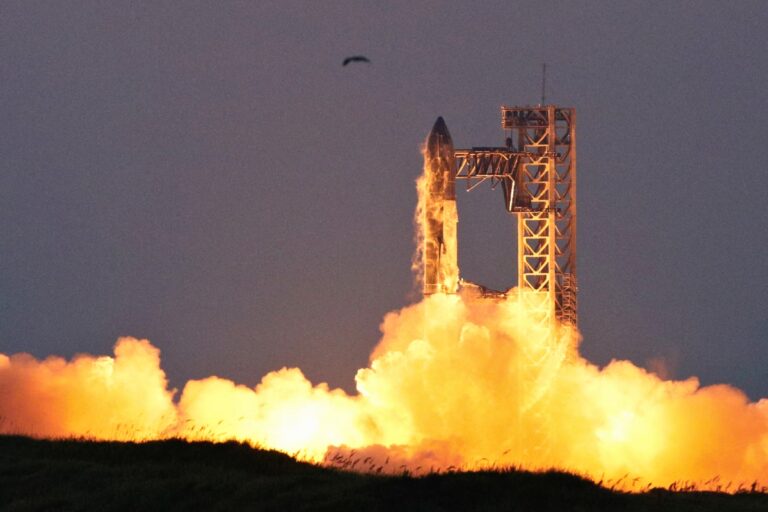
The Roadster program has encountered similar setbacks. Since its 2017 debut, Musk has floated the idea of a “SpaceX package” for the car, potentially using cold-gas thrusters to boost acceleration and possibly enable limited hovering. It’s still unclear whether Musk’s latest hints refer to this previously discussed technology or suggest something even more ambitious—perhaps vertical takeoff and landing (VTOL) capabilities.
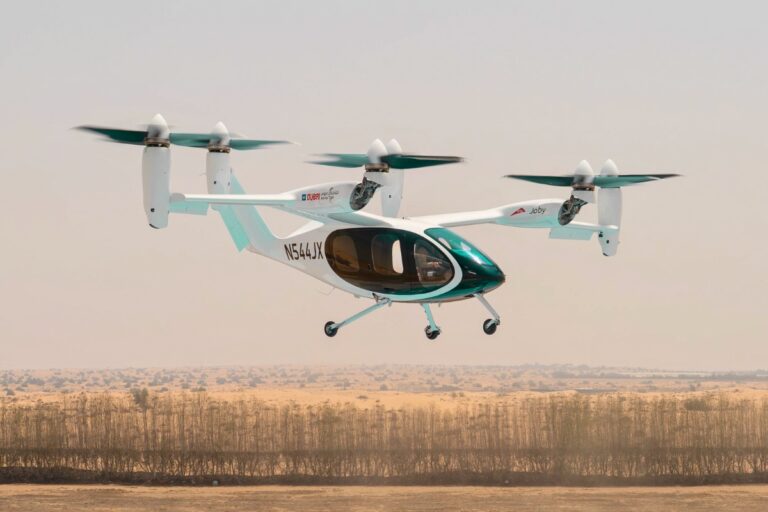
The VTOL option is uncertain because these vehicles usually behave more like helicopters and, despite being called flying cars by many, they don’t fit the traditional definition of a car.
Musk also recognized the major technical and regulatory hurdles facing airborne vehicles. In the U.S., most passenger planes require licensed pilots, and the idea of fully autonomous flights raises significant safety and logistical issues, especially in urban airspace. These ongoing challenges have long kept “flying car” ideas from becoming widely adopted.