Two phones, single identity: Nothing Phone 3 and Phone 3a Lite
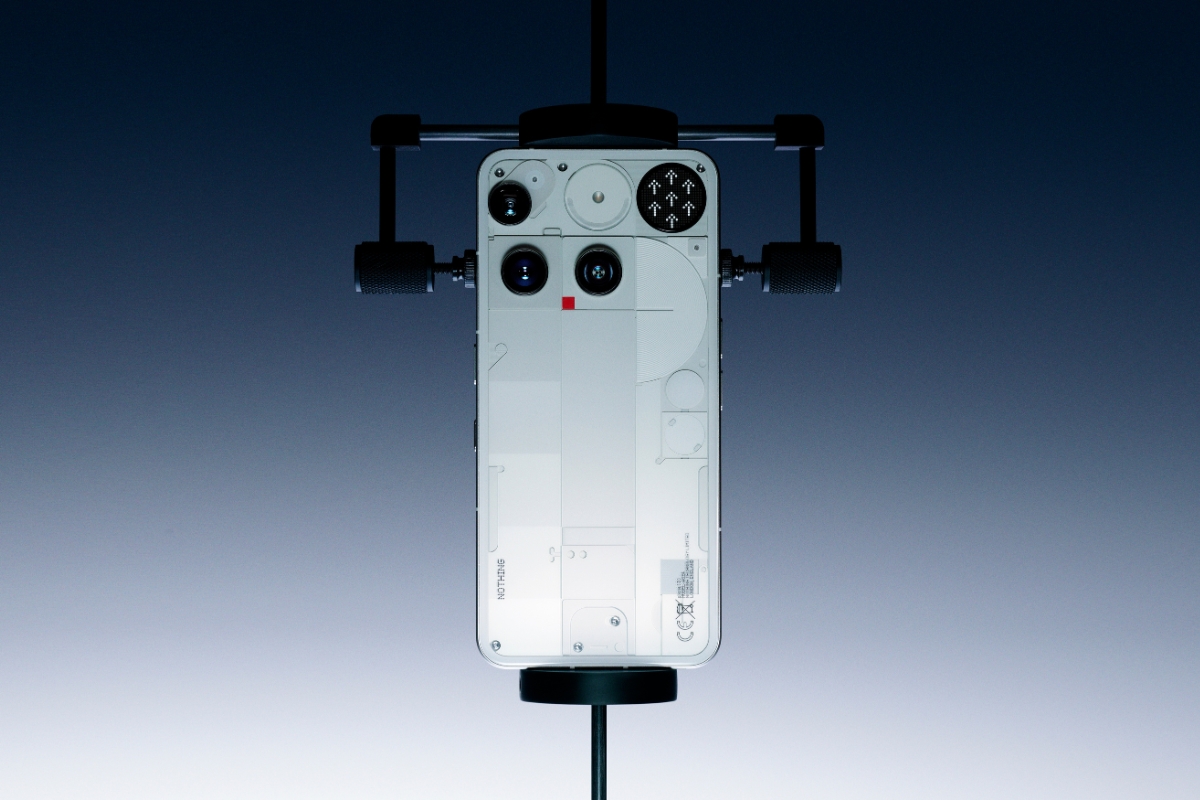
Within a short time, Nothing has become one of the most attention-grabbing brands in the smartphone market, thanks to its transparent design language and minimal, dot-matrix-inspired interface. This year, the company is offering two main options for its fans: Nothing Phone 3 for users who want “something” close to a high-end device, and Nothing Phone 3a Lite for those who want the same design and software experience on a much tighter budget
Nothing Phone 3: an upper-tier phone with a different look


Nothing Phone 3 is the company’s closest device to the flagship segment, with a starting price of around $799 globally and two memory configurations: 12GB RAM with 256GB storage, or a costlier 16GB RAM with 512GB storage.
The phone features glass on both the front and back, an aluminum frame, weighs 218g, and is about 9mm thick, with a rectangular, flat-edged design. This puts it on the thicker and heavier side, in a year dominated by slim phones. More importantly, it supports the IP68 protection standard, which means full dust protection and the ability to withstand water immersion under specific conditions – the same protection level we usually see on high-end Samsung and Google phones.
The back doesn’t just rely on the transparent aesthetic; it also carries what the company calls Glyph Matrix – a grid of LED lights that acts as a simple secondary display. It can display icons, animations, and custom notification patterns, and can also serve as a recording indicator or for a few simple interactive effects and mini-games.
On the front, the phone features a 6.67-inch OLED display with 1260×2800 resolution, a 120Hz refresh rate, HDR10+support, and peak brightness of around 1500 nits in real-world tests, with even higher advertised peaks in certain modes. In practice, this translates to comfortable visibility under sunlight and a solid experience with HDR content.
You also get stereo speakers, but there’s no 3.5mm headphone jack, so you’ll need to rely on wireless audio or a USB-C adapter for wired headphones. But in 2025, this is no longer an issue for most users.
Under the hood, Phone 3 is powered by the Snapdragon 8s Gen 4 (4nm), a chipset that sits very close to true flagship processors in everyday performance and gaming.
On the software side, it runs Android 15 with Nothing OS 3.5, with an upgrade path to Nothing OS 4 based on Android 16 and a promise of long-term major updates. The interface retains Nothing’s signature minimalist look, with dot-matrix icons and wallpapers, and integrates with AI services like Gemini and, optionally, ChatGPT as a voice assistant. There are also tools for AI-generated wallpapers and for processing notes within the company’s Essential Space.
A dedicated side button, the Essential Key, lets you capture a screenshot with a text or voice note in a single press, saving everything in one place for easy review later.
For photography, the phone is equipped with three 50MP cameras on the back:
- A main wide camera with optical image stabilization (OIS)
- A periscope telephoto lens with up to 3x optical zoom
- An ultra-wide lens
The battery is rated at 5150mAh (a 5500mAh variant is available in some markets) and supports 65W wired charging, 15W wireless charging, and reverse charging. In real-world use, the phone can comfortably last a full day of heavy usage, and you can reach a high percentage of charge in roughly half an hour.
Nothing Phone 3a Lite: same character, more affordable price


Nothing Phone 3a Lite is the lowest-priced entry point into the Nothing ecosystem to date, priced under $300 and available in 8/128 GB and 8/256 GB configurations.
The phone maintains the transparent back but now features a plastic frame, Panda Glass on the front and back, a weight of 199g, and a thickness of 8.3mm. The protection rating here is IP54, meaning resistance to splashes and dust, but not full water immersion.
The display is a 6.77-inch AMOLED panel with FHD+ resolution, a 120Hz refresh rate, and peak brightness of approximately 3000 nits, making it more than adequate for outdoor use. It also supports high-frequency PWM dimming to reduce eye strain in low light.
Inside, the phone is powered by the MediaTek Dimensity 7300 Pro (4nm), with 8GB of RAM and either 128GB or 256GB of storage. Unlike the Phone 3, you can expand storage via microSD up to 2TB, which is a clear advantage if you store many photos, videos, or offline media.
Nothing Phone 3a Lite ships with Android 15 and Nothing OS 3.5, with a promise of three major Android upgradesand six years of security updates. You get the same Nothing interface: clean icons, an optional monochrome mode, consistent widgets, and Essential Space with the Essential Key on the side, just like on the more expensive model. Nothing OS 4.0, based on Android 16, has already started rolling out to other Nothing devices, and 3a Lite is scheduled to receive it in a later phase of the update plan.
On the camera side, the phone has a triple rear setup:
- A 50MP main camera with OIS
- An 8MP ultra-wide camera
- A 2MP macro camera for close-up shots
On the front, there is a 16MP selfie camera. The main rear camera delivers very good results in daylight for this price segment, with bright colors and decent dynamic range. In low light, performance is acceptable thanks to the sensor size and OIS, provided the subject doesn’t move too much during capture. The ultra-wide camera has weaker detail and dynamic range, and the macro lens is more of an occasional extra than a core tool.
The battery delivers 5000 mAh and supports 33W wired charging and 5W reverse wired charging. In testing, the active screen-on time exceeded 15 hours, and two days of light use on a single charge are realistic, making battery life one of this phone’s strongest selling points.