The march toward “cognitive cities” – Intel’s Renu Navale on what comes next

Artificial intelligence, edge computing, and smart city ecosystems are changing how people live and work, making systems more connected, responsive, and intelligent. Leading this change is Intel, which plays a key role in redefining how computing power creates real-world impact.
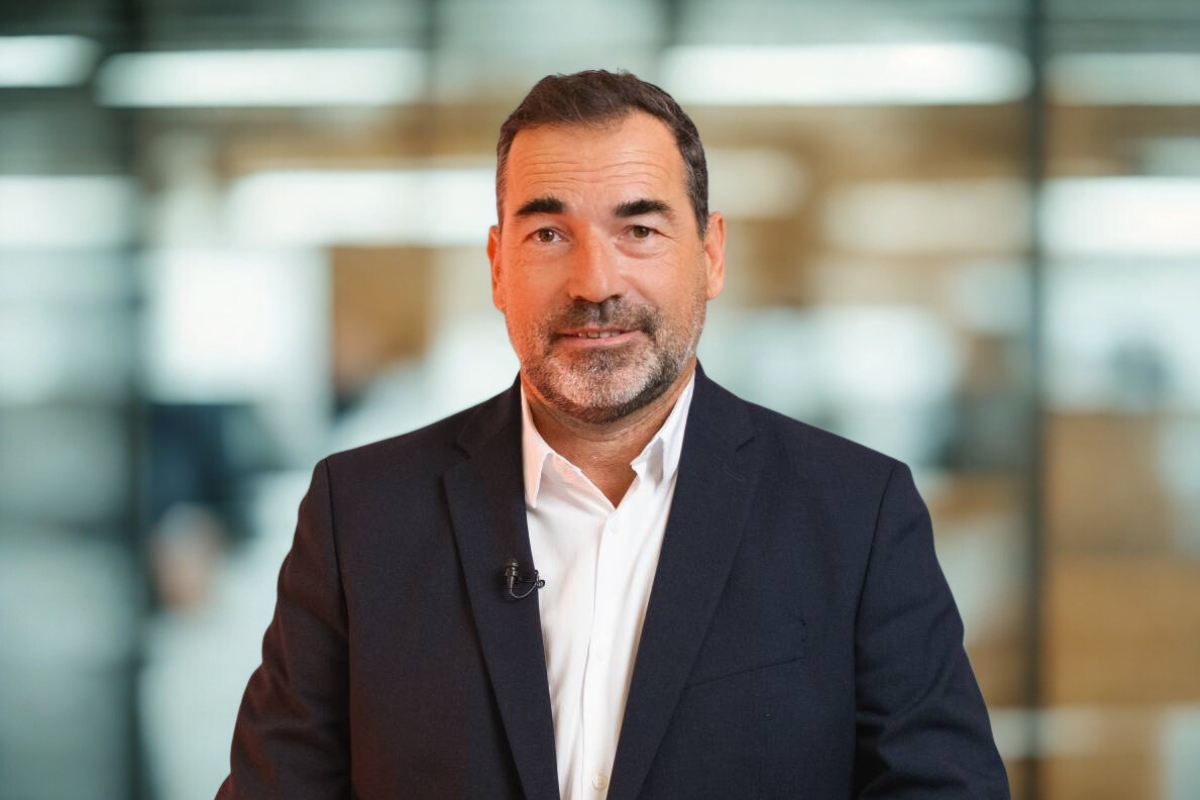
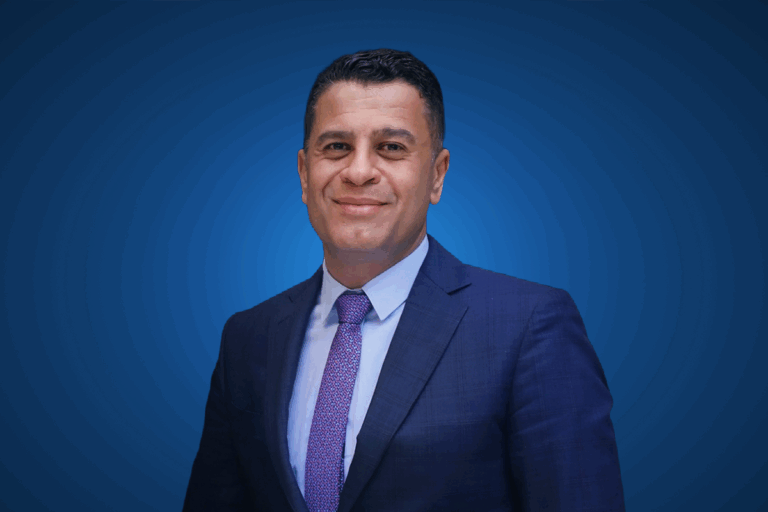
Recently, we had the opportunity to meet with Renu Navale, Vice President and General Manager of Intel’s Cities and Critical Infrastructure Division, to explore how AI and edge computing are powering the next generation of urban transformation. She shared with us her unique overview and approach to the industry.
How do you see AI driving innovation and digital transformation?
When I think about AI, I see it as the next major industrial revolution. The first one gave us the steam engine, which powered factories and industries. Now, AI is like the steam engine of the mind. It signals a shift from physical strength to cognitive ability.
This revolution is unlike any previous one because it impacts everything. AI is assisting nations in advancing rapidly, developing more efficient systems, and opening new opportunities for sustainability and economic growth.
What excites me most is the human impact. When we talk about digital transformation, we’re really discussing empowering people to think differently, solve challenges in new ways, and use data to make life easier and more meaningful.
For me, AI is not about replacing humans but enhancing what we can accomplish.
How has AI redefined the role of edge computing?
Edge computing has been around for a long time, but AI has given it a new purpose. Previously, edge systems mainly processed data near where it was generated, but now they can think for themselves. They can analyze, learn, and respond instantly.
Instead of sending large amounts of data to the cloud, AI at the edge can process it locally. This results in faster decisions, lower latency, and enhanced privacy. For example, in transportation, edge AI can handle traffic management in real time. In public safety, it can detect and respond to incidents immediately. In energy and infrastructure, it helps optimize usage and reduce waste.
What’s most exciting is that AI models are becoming smaller and more efficient, enabling them to function on local devices. This makes the edge smarter and more autonomous. The result is quicker response times, enhanced security, and systems that can adapt without relying heavily on constant cloud input.
Edge AI is turning cities into living, breathing systems that can think at street level. It’s how we move from reactive systems to proactive ones, from simply sensing to truly understanding.
What future do you envision for the convergence of AI and smart cities?
I believe we are transitioning from smart cities to what I call cognitive cities. A smart city links devices and systems, but a cognitive city understands and learns from them. It can predict, adapt, and act on its own.
In these cities, data is turned into intelligence. Transportation, healthcare, energy, and public safety all become connected parts of a single digital system. If one system detects a change, the others respond automatically.
City leaders can utilize AI insights to enhance planning decisions, such as predicting traffic flows or managing energy demands. Residents receive more personalized and efficient public services, and technologists can leverage tools like digital twins to simulate and optimize city operations before implementing changes in the real world.
The next generation of cities will operate more like living organisms than machines. Every sensor, device, and network will contribute to keeping the city vibrant, responsive, and sustainable. It’s a future where urban living becomes smoother, safer, and smarter, and I believe we’re already witnessing the initial phases of this evolution here in the Middle East.
What does the region’s smart city ambition mean for Intel’s strategy?
The Middle East is one of the most exciting regions globally for AI and digital transformation. Governments are investing in national AI strategies that emphasize people, innovation, and long-term progress.
What makes this region stand out is its ability to move quickly. Without legacy systems holding it back, the Middle East can adopt and expand new technologies more easily than most parts of the world. It’s not about catching up; it’s about leading.
For Intel, this offers a great chance to work with local ecosystems and governments to address real-world challenges with our technologies. From edge AI in transportation and public safety to digital infrastructure for smart cities, we see big potential to make a difference.
Our focus is on partnerships that deliver human-centered outcomes. Technology is the tool, but impact remains the goal. We aim to help cities across the region leverage AI to enhance daily life — making them more efficient, sustainable, and connected.
What’s happening here goes beyond just innovation. It’s about reshaping how technology and humanity develop together. The Middle East is moving rapidly into the AI era, and Intel is proud to be part of that journey.