Tesla Robotaxis are way more dangerous on the road than human drivers, new data confirms
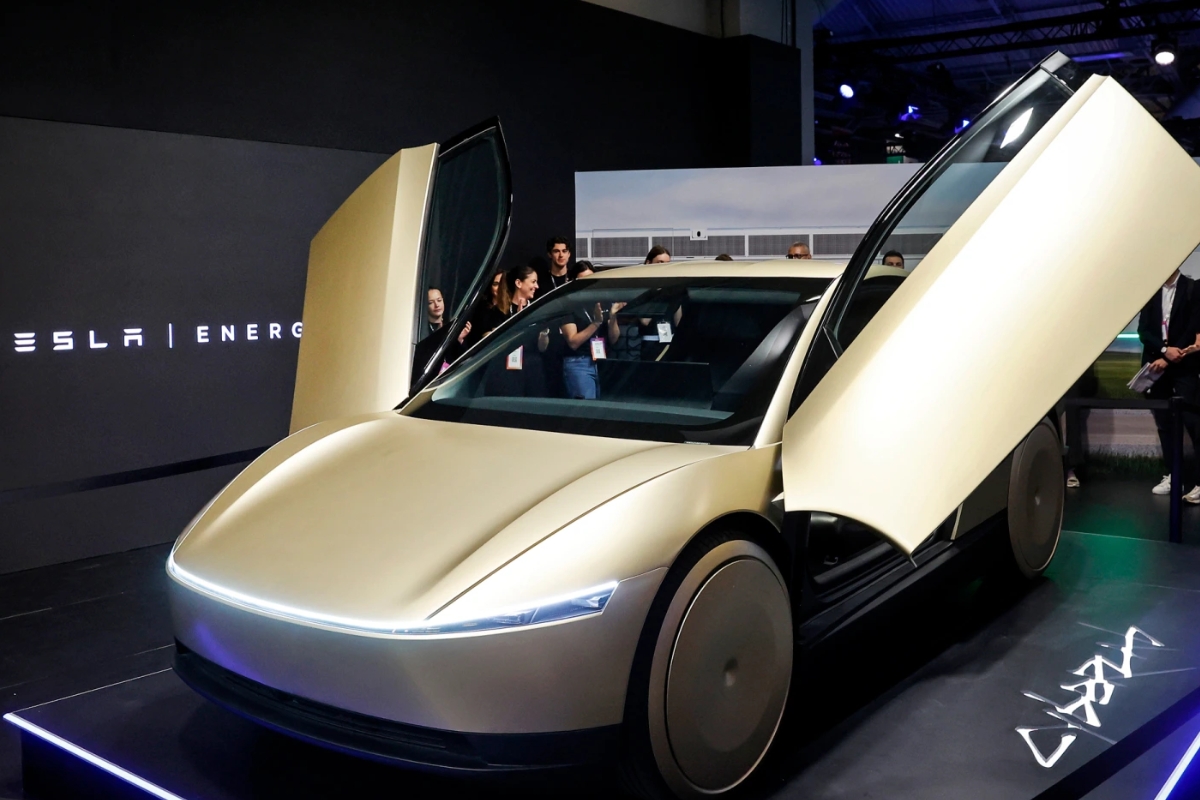
New data from the United States casts a new shadow of doubt on Elon Musk’s ambitious promise that Tesla’s self-driving system is safer than human drivers. The records cover Tesla’s autonomous testing program in Austin, Texas, and suggest that Tesla’s Robotaxis are more likely to be involved in crashes than human drivers.
Between July and November 2025, Tesla reported nine crashes involving self-driving Model Y vehicles. The program logged roughly 804,000 kilometers (500,000 miles), meaning the Robotaxis roughly had a crash every 89,000-90,000 kilometers driven.
By comparison, statistics from the National Highway Traffic Safety Administration in the US indicate that human drivers have a crash every 800,000 kilometers driven, 9 times fewer than Tesla’s Robotaxis. Even when accounting for underreporting of crashes, the difference remains stark.
Tesla promotes its Robotaxi fleet as “autonomous,” but each vehicle still includes a human, trained safety monitor seated in the front passenger seat, prepared to take control if the system malfunctions. Despite this human oversight, the test vehicles have been involved in incidents ranging from minor collisions to more serious encounters involving cyclists and roadway obstacles.
Details in the NHTSA filings are limited, however. This has led to conflicting reports on the safety of autonomous cars, with some suggesting they have already surpassed human drivers as the safer option.
Despite these challenges, Tesla continues to position Robotaxi as a cornerstone of its long-term autonomous strategy. Musk told investors last year that the service would reach “half of the US population” by the end of 2025, a target that has now quietly passed.
The safety of autonomous vehicles is a highly consequential issue. Advancements in this tech sector could upend the transportation industry and threaten tens of millions of jobs for delivery, taxi, and long-haul truck drivers.
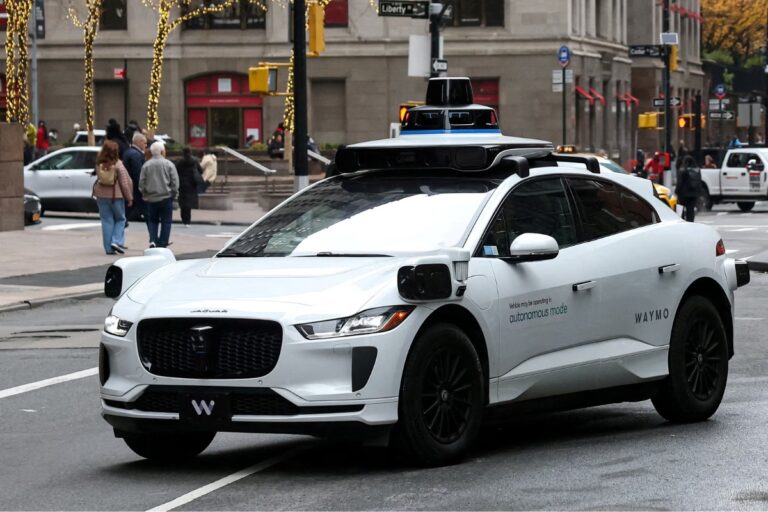
Recent years have shown considerable growth for autonomous driving programs. Waymo, for example, expanded its services across many new cities. This, along with the decline of car sales, prompted Tesla to refocus on AI and autonomous driving. The new trend was recently exemplified by Tesla’s decision to end production of its Model S and Model X vehicles.