SSD prices about to skyrocket, AI growing demand is to blame
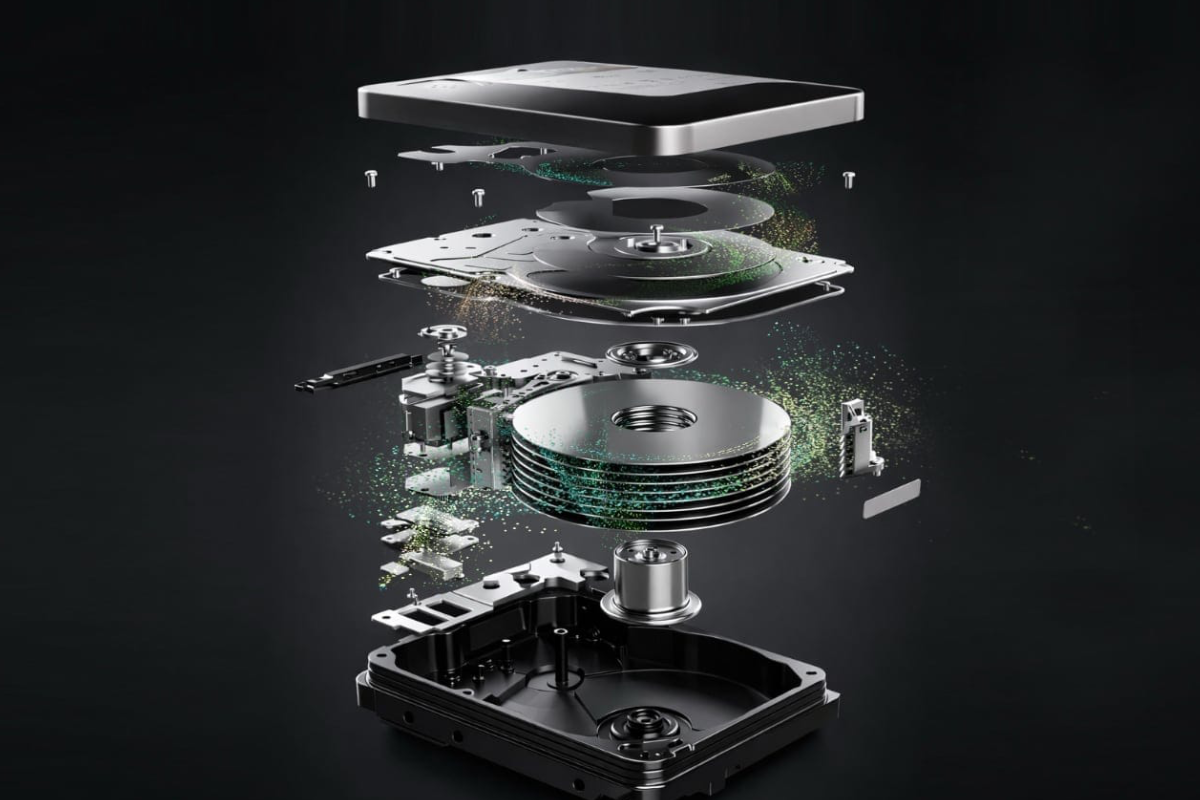
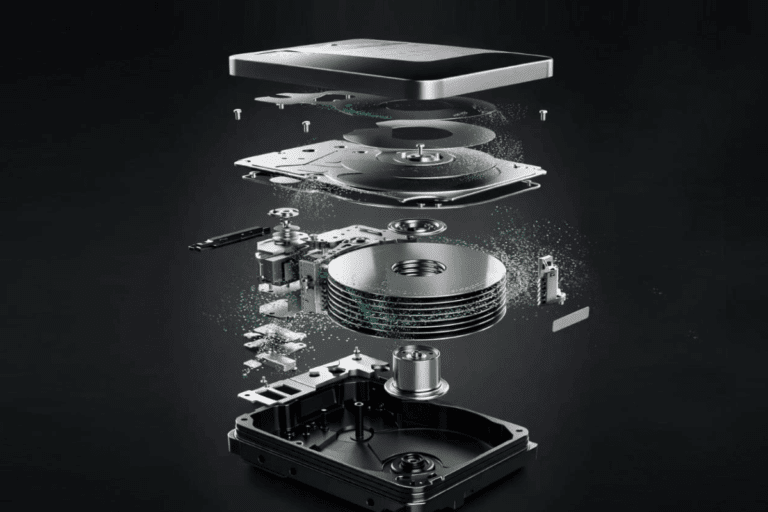
According to Taiwan-based technology outlet DigiTimes, many AI companies are no longer willing to wait the estimated two years for HDD supply chains to stabilize and are instead shifting to SSD storage. To reduce costs, most are choosing QLC NAND-based drives over the faster, more durable, but more expensive TLC models.
Industry analysts expect the growing demand for QLC-based SSDs from data centers across the United States, Canada, and China to potentially cause a shortage of consumer SSDs. Since mainstream consumer drives already depend heavily on QLC NAND for affordability, this supply shortfall could push prices higher, adding to the financial pressure on consumers already dealing with historically high hardware costs.
Experts forecast that as AI companies quickly adopt QLC technology, it will overtake TLC in total sales by early 2027—marking a major turning point for the SSD market. The report also notes that many AI firms are stockpiling QLC NAND in anticipation of tighter supplies, leaving some manufacturers’ production lines completely booked through 2026.
The rapid expansion of the AI industry and the worldwide competition for artificial general intelligence have put huge pressure on the infrastructure supporting hyperscale data centers. Besides GPUs and accelerators, this surge in demand has impacted almost every hardware category, including CPUs, memory, high-speed networking equipment, and large-scale storage systems.
Growing demand has driven component prices higher, with DRAM costs increasing nearly 50 percent in recent weeks. Reports indicate that AI data center operators in both the U.S. and China are now only receiving about 70 percent of their DRAM orders, even after agreeing to pay higher prices.
The price increase is not limited to high-bandwidth memory. A previous DigiTimes report revealed that demand for standard DDR5 RDIMMs now surpasses available supply, as major chipmakers Samsung and SK Hynix redirect production capacity from consumer products to more profitable AI-focused components.