Smart cars are introducing new types of threats; a better approach is needed
“When you are in the middle of Siberia, and your car gets the wrong update from the internet, you’re done. I am not kidding, it happened once.” That’s what Eugene Kaspersky, founder and CEO of Kaspersky, said last November during SASCON (Security Analyst Summit) in Thailand.
Kaspersky’s words were not hollow; they were a stark reminder of the new reality: cars are smarter and more connected than ever, making them more vulnerable than ever. Today’s cars are more like a computer on wheels, which is amazing when everything acts exactly as designed, but scary once you think about the growing cyberthreats lurking all around.
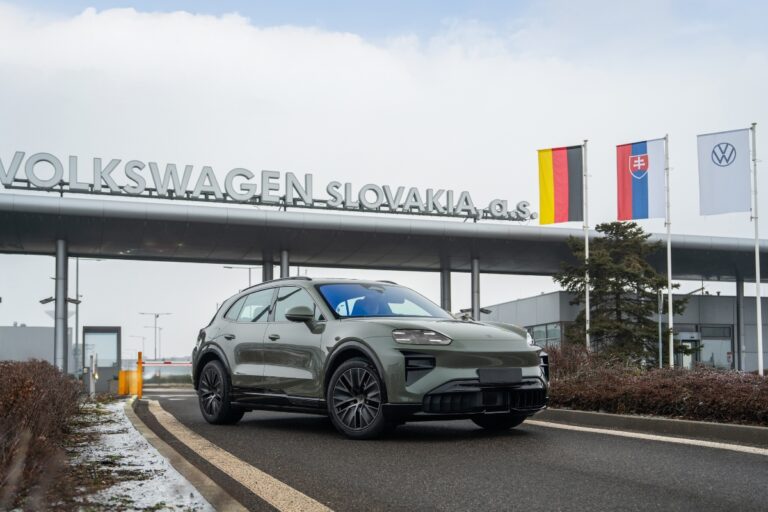
Only a few weeks after Kaspersky’s speech, and by the end of November 2025, his warning became true when hundreds of luxury cars stopped working all across Russia. The cars, all Porsche models newer than 2013, either failed to start or shut off immediately after starting, leaving drivers puzzled.
The suspect? An advanced computer system designed to protect these cars and give their drivers peace of mind. Apparently, the issue was caused by a malfunction in the Vehicle Tracking System (VTS) installed in these cars. This system is designed to lock cars down when they lose satellite signal, cutting off fuel and disabling the engine. Under normal circumstances, the system is meant to deter theft and prevent car trafficking. Still, due to the malfunction, drivers were stranded and looking for any way to regain control of their vehicles.
The case of the Porsches is extreme, but it’s increasingly possible. The same issue Kaspersky warned about is worryingly common. A quick internet search shows hundreds, if not thousands, of user reports of bricked cars that became immobile due to a random error or a simple software update.
In a city, this would be an inconvenience; it might cost money, introduce latency, and be just another challenge to daily life. But in the countryside, away from big population centers, such issues could be lethal. Whether in the freezing coldness of Siberia or the scorching heat of the Saudi desert, cars are not a luxury, but an essential tool. In many places, a car that broke down due to a software update could be the difference between life and death in an emergency.
When we think about cars as what they really are: tons-weighting hunks of metal often traveling at +100km/h and capable of causing death due to a small error, the scene becomes even darker. As previous tests have already shown, a targeted attack can derail a speeding car or force it to stop mid highway traffic with lethal consequences.
Of course, it would be unwise to expect the current trend of smart, connected cars to reverse anytime soon. If anything, it’s expected to accelerate its growth. Yet without equally robust security measures, the progress shaping modern mobility could unintentionally introduce new risks to our roads.