Regulatory models don’t reflect reality: why PHEVs underperform environmentally
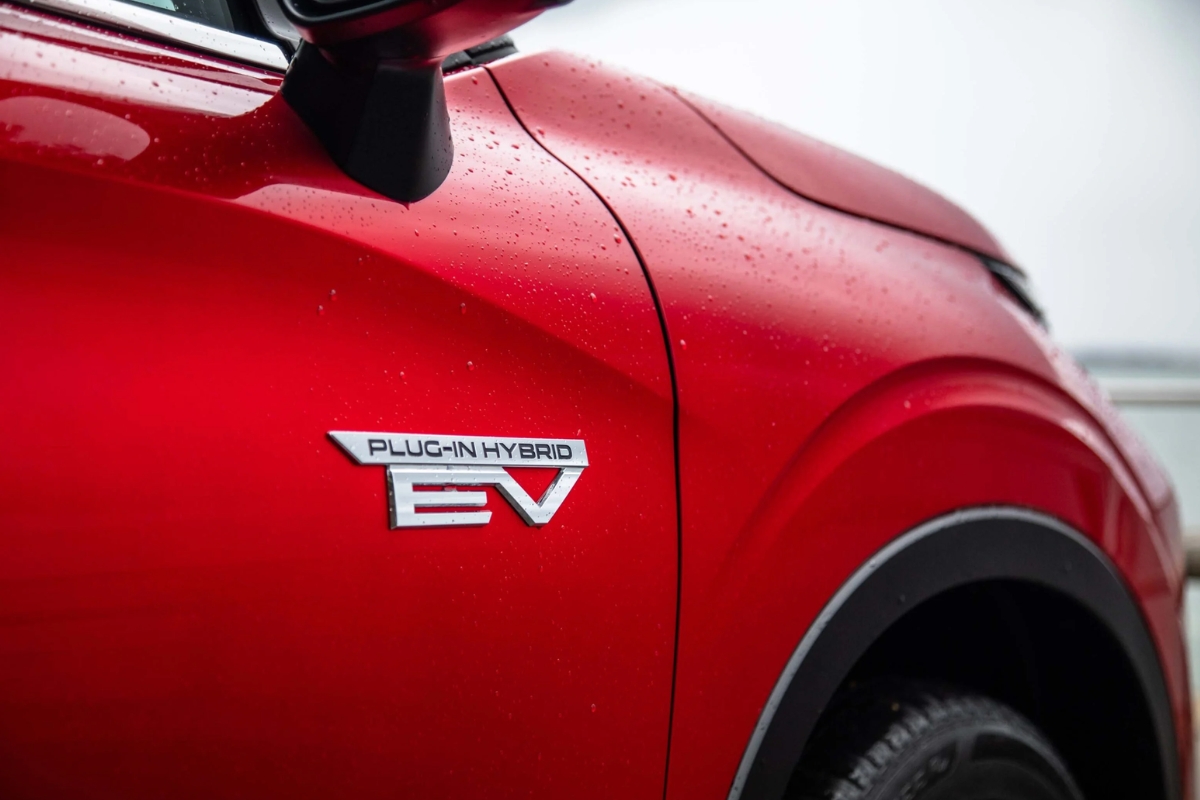
In January 2026, Mary Barra, the CEO of General Motors, revealed an uncomfortable reality about PHEVs (plug-in hybrid electric vehicles): Most drivers are ignoring the electric part and driving these cars just like conventional gasoline-powered vehicles. Speaking at the Automotive Press Association conference in Detroit, Barra simply said: “Most people don’t plug them in.”
This was a rare instance in which a high-profile auto leader shared such a pessimistic outlook on PHEVs. Researchers have long discussed this fact, but hearing it from the head of a major automaker lends it greater weight, especially as GM aims to introduce new PHEV models in the coming years.
For years, PHEVs were marketed as a partial step toward fully electric mobility. They are supposed to offer the best of both worlds: A clean, environmentally conscious transportation method for short journeys (which account for the vast majority of kilometers driven), with the option to drive further when needed, thanks to the internal combustion engine.
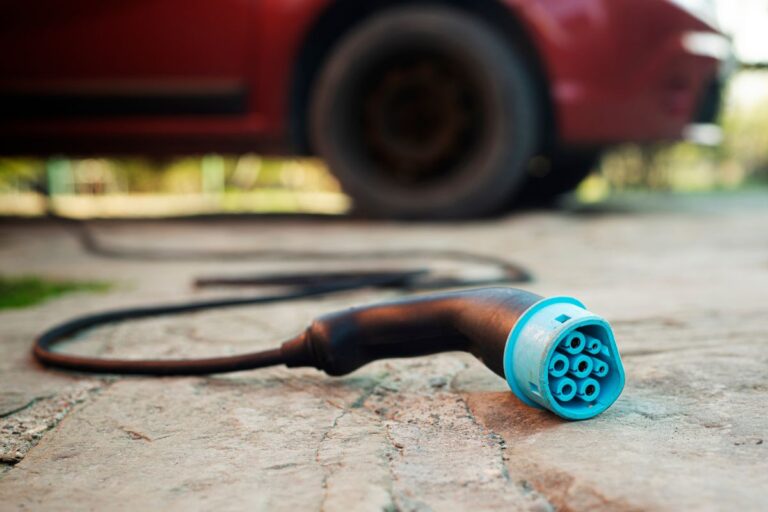
The issue is that drivers are not doing that. Instead of plugging in PHEVs every night to cover the daily commute, most of them are neglecting the electric part altogether. They drive PHEVs as if they ran only on gasoline. This is ill-advised on both environmental and economic grounds. Crucially, this gap is not anecdotal. Data from the European Commission clearly shows this disparity: real-world PHEV emissions are 3.5 times higher than lab results. This is explained by the fact that regulatory models assume that 84% of PHEV trips use electric power, whereas the actual numbers are closer to 27%.
PHEVs often cost more than their internal combustion counterparts on the assumption that they will save money over time. However, when run exclusively on gasoline, PHEVs tend to consume more fuel than comparable internal combustion cars. For example, the BMW 330i xDrive achieves better fuel economy than its PHEV version when driven on gasoline alone under similar driving conditions.
This is unsurprising, as PHEVs are heavier due to their additional components. Compared to a traditional internal combustion car, a PHEV has, in addition to a conventional powertrain, a large battery, electric motors, and charging hardware. Additional components increase weight, which reduces fuel efficiency.
Even when ignoring the environmental impacts and costs of manufacturing PHEVs, the fact that they consume more fuel than conventional cars indicates that action is needed. Regulations won’t be of much help in this case, as there is no real way to police drivers who neglect to charge their cars. This is a behavioral issue and would most likely require a behavioral solution.
Ads and informational campaigns might be one way forward here. PHEV drivers are either environmentally or economically motivated; thus, they would respond well to information that indicates that driving their cars on fuel goes against both motivations. This may require action by local governments or advocacy by NGOs.
Ultimately, the problem with plug-in hybrids is not the technology itself, but the assumptions built around it. Regulatory frameworks reward theoretical efficiency rather than real-world behavior, creating a gap between reported emissions and actual environmental impact. As long as incentives and classifications are based on optimistic usage models, PHEVs will continue to benefit from a green label that they often fail to earn in practice.
If plug-in hybrids are to play a meaningful transitional role in the shift toward cleaner mobility, policymakers may need to rethink how these vehicles are evaluated and incentivized, placing greater emphasis on real-world usage data rather than laboratory assumptions. Without such adjustments, PHEVs risk becoming a regulatory loophole rather than a genuine bridge to lower-emission transport.