RAM and wafer shortage to persist into 2030 – SK Group boss warns
SK Group Chairman Chey Tae-won said on Monday that the global shortage of semiconductor wafers is expected to continue through the end of the decade, as demand fueled by artificial intelligence continues to outpace supply.
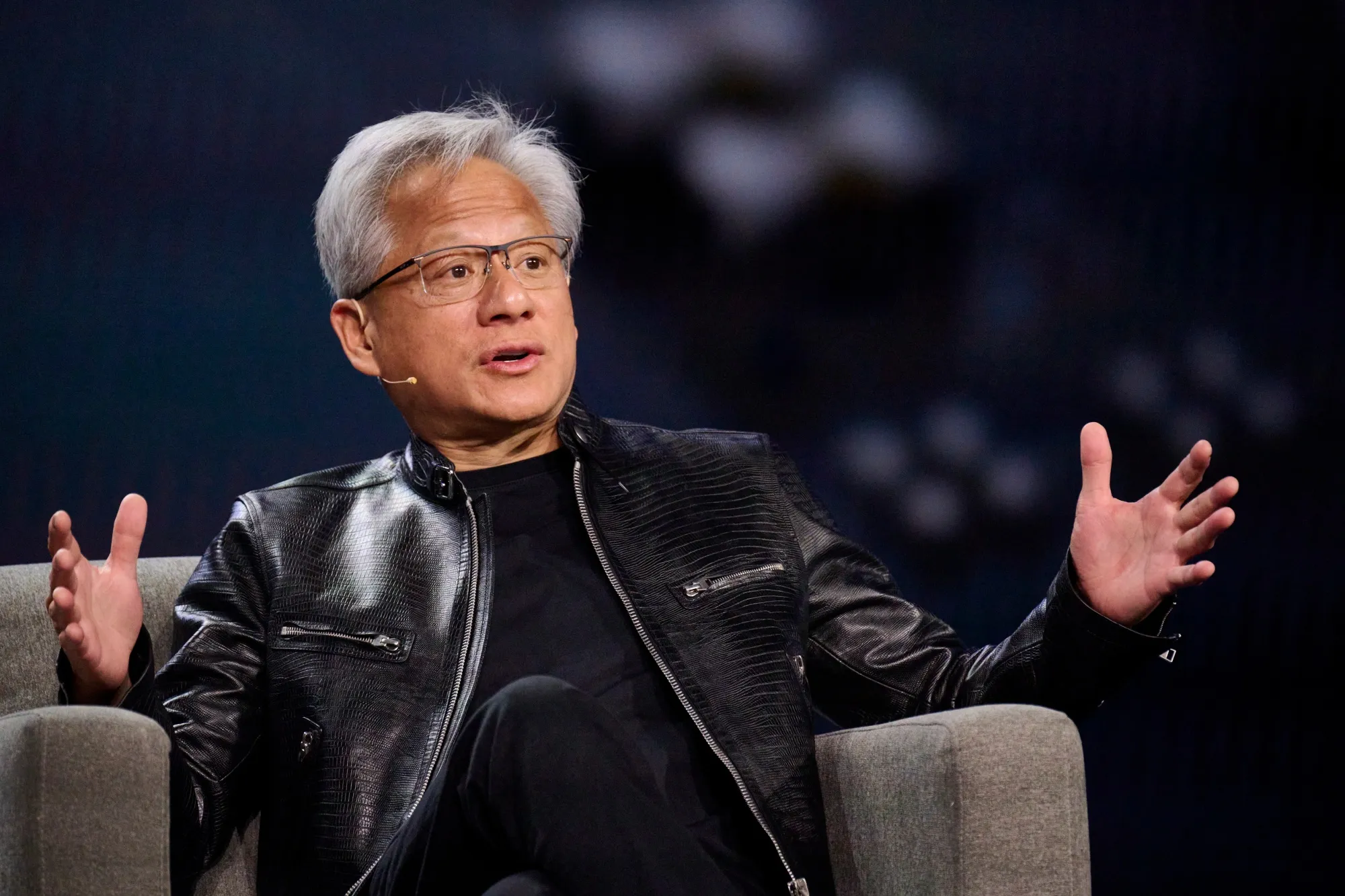
Speaking at Nvidia’s GTC Conference in San Jose, California, Chey indicated that the SK Hynix leadership may soon outline plans to stabilize DRAM pricing, while the broader group looks into alternative energy options.
SK Hynix, which supplies high-bandwidth memory to Nvidia, currently leads the high-bandwidth memory (HBM) market with a 57% share. It also holds about 32% of the global DRAM market, making it the second-largest player in that segment.
“AI actually wants to have a lot of HBM, and once you make the HBM…we have to use a lot of wafers,” said Chey, explaining the shortage of wafers. “So we need some time to build up more wafers, at least four to five years. The current shortage could continue until 2030, so we expect more than a 20% shortage of the wafers.”
Chey added that SK Hynix is developing a strategy to address volatility in DRAM prices, although details have not yet been disclosed. “So I cannot just announce right here, but I guess that our CEO is going to announce a new plan for how to stabilise the price of the DRAM,” Chey said.
For the past year, RAM prices have skyrocketed as supply shrank considerably. This has mainly been attributed to sustained growth in demand for HBM in data centers, prompting many manufacturers to limit or abandon DRAM production altogether to focus on the more lucrative HBM chips. DRAM prices have already grown out of control, reaching 400% or higher for some configurations, but experts warn prices may climb even further as the shortage persists.