Planning to travel? Check what electronics are now restricted in airplanes

A string of battery-related fires on aircraft and in airport lounges has intensified global scrutiny of how airlines handle portable electronics.
In Melbourne, Australia, emergency crews evacuated about 150 people from the Qantas business lounge after a passenger’s power bank caught fire inside his pocket, igniting his clothing. In a separate incident, an Air China flight was diverted for an emergency landing when a lithium-powered device caught fire in an overhead bin. Incidents like these have highlighted the dangers of overheating batteries in enclosed, high-altitude environments where response times are short.
New rules and recalls prompt stricter airline policies
Amid rising concerns, several airlines have updated their regulations for personal electronic devices, especially those powered by lithium-ion cells.
Taiwan’s UNI Air now prohibits passengers from placing Bluetooth earphones and their charging cases in checked baggage. The carrier categorizes these items as portable electronic devices with rechargeable batteries that cannot be fully switched off once packed, making them unsuitable for storage in the aircraft hold.
Other airlines in the region, including Starlux Airlines, have not issued a direct ban on wireless earbuds. Still, they emphasise that all battery-powered devices must comply with international safety certifications. They also require items placed in checked luggage to be completely powered down.
UAE airlines introduce stricter in-flight restrictions
In the UAE, Emirates has updated its battery policy, effective October 1, forbidding passengers from using or charging power banks during flights. These devices may still be carried in hand luggage, but they must remain idle throughout the journey.
Both Etihad Airways and Flydubai follow similar rules: power banks, spare lithium batteries, and e-cigarettes are allowed only in carry-on bags, and they may not be checked in under any circumstances.
“Smart bags” featuring removable batteries remain acceptable on all three carriers. However, the battery must be detached if the bag is to be placed in the hold.
What UAE travellers are allowed to pack
UAE airlines generally align with a set of rules regarding what passengers may carry on board:
- Spare batteries (up to 20) are permitted only in cabin baggage.
- Lithium-ion batteries between 100 Wh and 160 Wh require airline approval; some carriers restrict them entirely from checked bags.
- Drones may be carried depending on the airline, but battery limits and storage rules vary.
- Personal electronic devices with lithium batteries of 100 Wh or less are allowed in both carry-on and checked luggage (this covers most laptops).
- Security equipment containing lithium batteries typically requires prior approval or is entirely restricted.
- Power banks, e-cigarettes, and other spare cells must be kept in hand luggage and are not permitted in the hold.
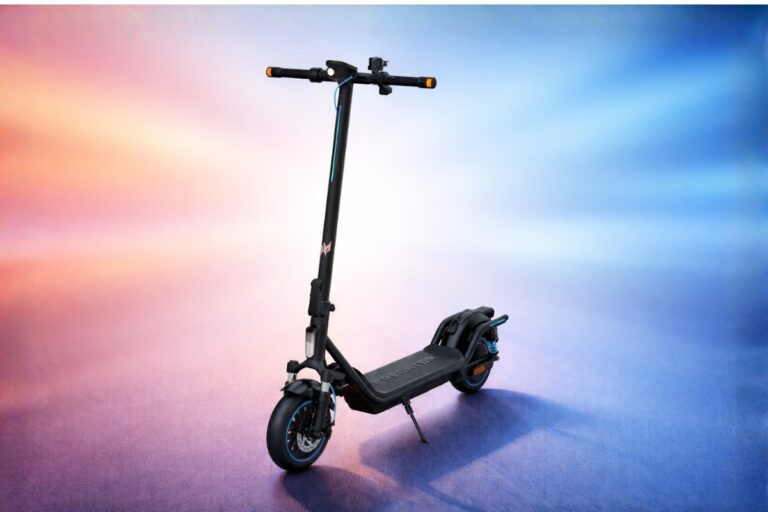
- Motorized hoverboards and self-balancing scooters are entirely banned by all UAE carriers.
- Smart bags with removable batteries are allowed, but the battery must be removed before the bag is placed in the hold.
Airlines repeatedly advise passengers to check the latest guidelines directly on their websites, as individual limits and exemptions differ and may change.
Essential safety practices for passengers
Experts recommend that travellers keep devices powered by lithium-ion batteries in their carry-on bags whenever possible. Items should be switched off completely and packed to prevent unintentional activation. Storing such devices in checked luggage increases the chance of undetected fires.
Passengers should also be aware that:
- Power banks, vape devices, and similar electronics must not be used or charged during the flight.
- Certain recalled products, such as older MacBook Pro models, must remain turned off throughout the journey, as required by airlines such as Etihad.
- Dubai Airport limits travellers to 15 mobile phones in their luggage (excluding those they carry personally), and the devices must remain in their original packaging.
- For drones, batteries must not exceed 160 Wh and should be removable and individually protected. Up to two spare batteries are allowed in hand luggage only.
As these updated rules take effect, passengers are urged to familiarize themselves with the evolving requirements to ensure a smooth and safe travel experience. Additionally, it’s essential to check specific restrictions imposed by the airline and the airports the passenger will pass through to avoid any inconvenience.