Oman to use satellites in improving oil and mineral discovery
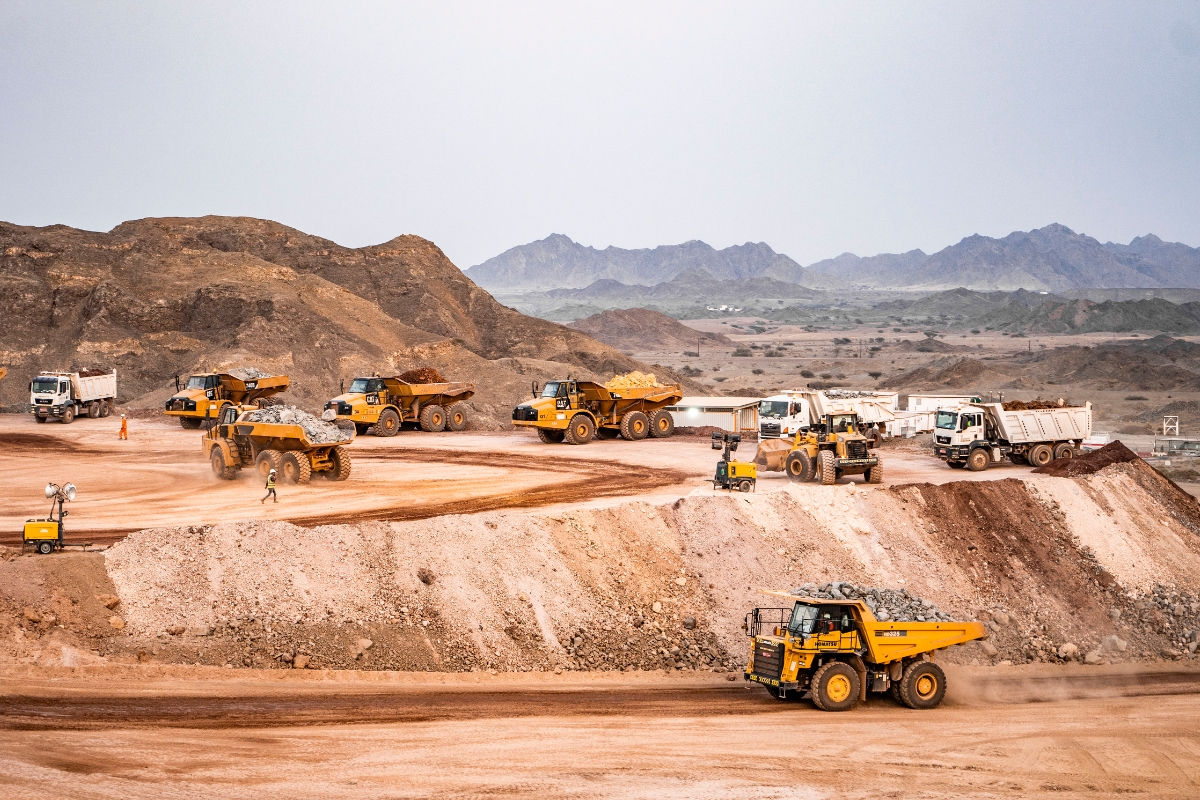
Announced after a three-day conference held in Muscat, Oman rolled out a range of new initiatives aimed at boosting connectivity in remote regions and supporting the exploration of oil, gas, and minerals.
Reportedly, the state-owned OQ Gas Networks signed an agreement with Omantel, the country’s largest telecommunications provider, to deploy satellite technology for monitoring its extensive gas pipeline infrastructure.
OQ Gas Networks, a subsidiary of the state-owned Oman Investment Authority, owns and operates approximately 4,000 kilometers of gas pipelines nationwide. Additionally, the company plans to expand the network by 20% by the end of 2027.
In a separate development, MB Petroleum, a private Omani company, entered into a $200 million agreement with the US-based Astranis, a satellite development specialist, to launch a MicroGEO satellite (a class of small, high-throughput geostationary communication satellites). The satellite is expected to be launched into orbit later this year and will support oil rig operations, according to the companies.
Petroleum Development Oman, the main producer of crude oil in Oman, also said it has begun using satellite monitoring to identify oil reserves that conventional exploration techniques have failed to detect. This adds to the growing Omani space industry, which has attracted 2 billion Omani rials ($5 billion) in investments since 2023, according to Ali Al Shidhani, undersecretary for communications and information technology.
As is the case across the GCC, Oman has an active diversification strategy away from crude oil. In accordance with that, the nation has attracted around $4 billion in investment from international mining companies since 2020. Still, the sultanate relies heavily on oil for its national economy for the time being.