MWC Doha 2025 concludes after spotlighting the region’s digital momentum
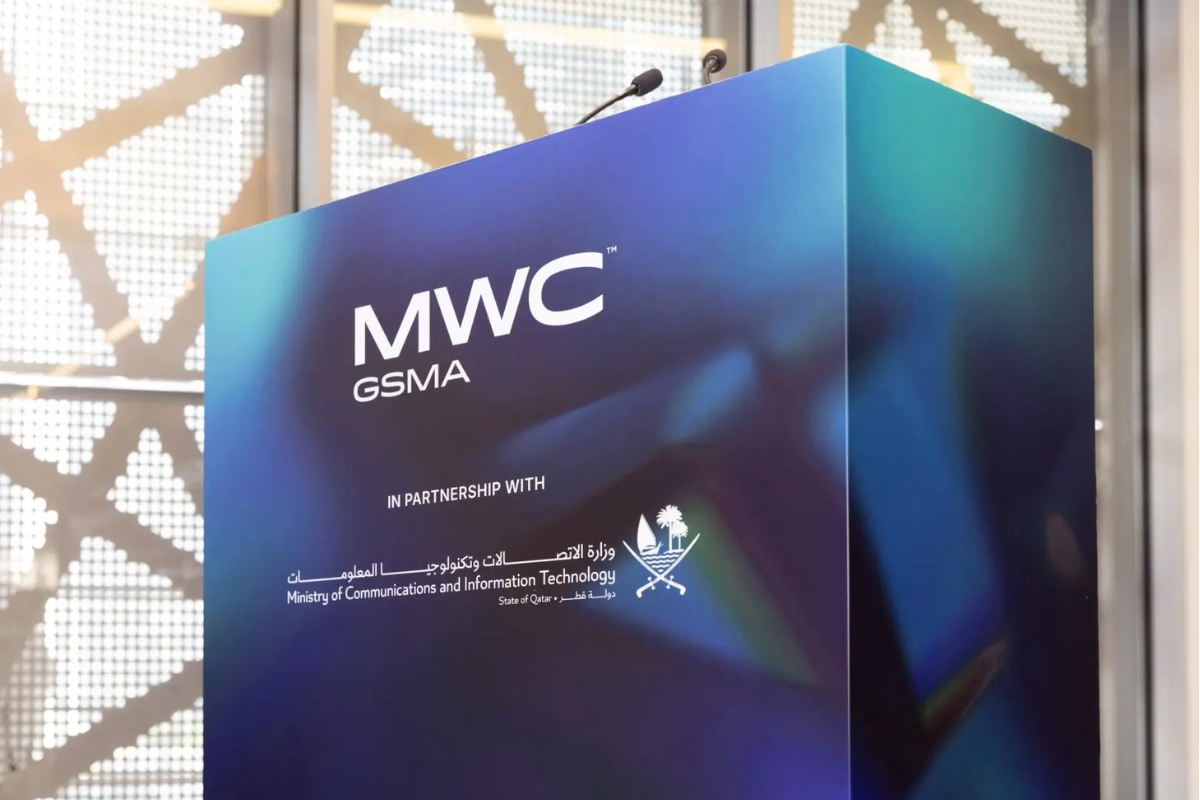
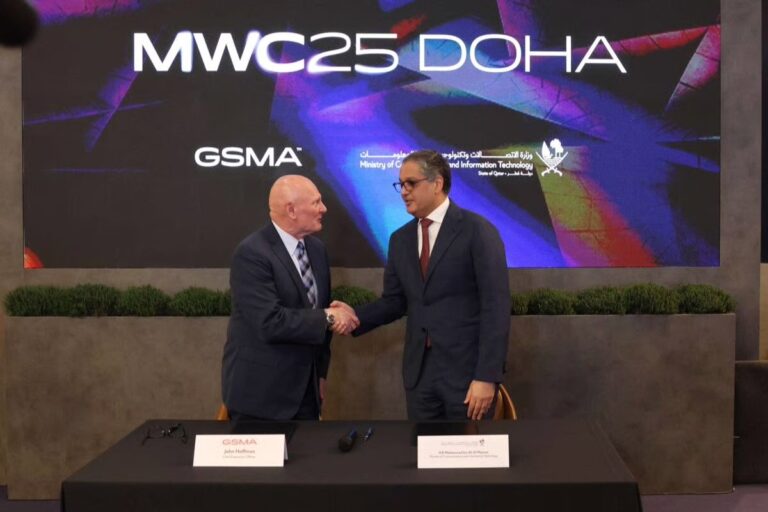
GSMA MWC Doha 2025 concluded in Qatar as a landmark moment for the Middle East and North Africa, marking the first time the global MWC platform has been hosted in the region.
Held over two days and organized in partnership with Qatar’s Ministry of Communications and Information Technology, the inaugural edition brought together nearly 9,500 participants to examine how advanced connectivity, artificial intelligence, and intelligent infrastructure are reshaping economies and societies across MENA and beyond.
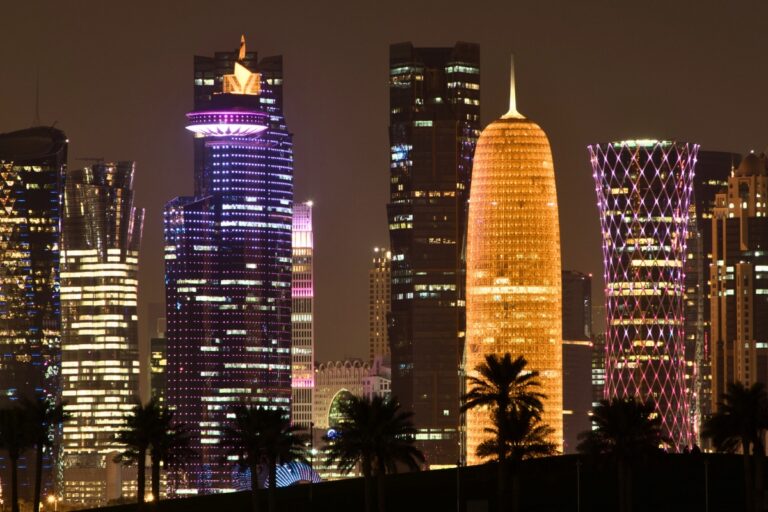
Held under the patronage of His Excellency Sheikh Mohammed bin Abdulrahman bin Jassim Al Thani, Prime Minister and Minister of Foreign Affairs of Qatar, the event was officially opened with GSMA leadership and senior Qatari officials onstage, signaling the strategic importance of digital transformation to the country and the wider region. Over the course of the event, Doha positioned itself as a regional hub for investment, partnerships, and policy coordination, reflecting the Gulf’s growing role in next-generation digital services.
Discussions throughout MWC Doha 2025 highlighted a clear transition across MENA from digital vision to execution. Governments and enterprises are accelerating the deployment of intelligent networks and advanced digital solutions across sectors, including healthcare, transport, logistics, financial services, and customer experience. Through keynote sessions, leadership forums, and live demonstrations, the event offered a practical view of how technologies such as AI, cloud computing, satellite connectivity, and data-driven platforms are driving new growth opportunities.
A key outcome of the event was the release of two major GSMA studies focused on the region. The Mobile Economy MENA 2025 and Accelerating Digital Industries in the GCC and Wider MENA Region reports outlined a strong growth outlook, projecting that the mobile sector will contribute US$470 billion to the regional economy by 2030, up from US$350 billion in 2024. The studies also forecast rapid 5G expansion, with 5G connections rising from 7% of total mobile connections in 2024 to 48% by 2030, alongside growth in mobile internet users from 308 million to 378 million.
The research further indicated that AI, mobile connectivity, and related devices will account for nearly 45% of total digital transformation spending in the region through 2030, with enterprise digital transformation spending expected to average 9.8% of revenues between 2025 and 2030. Qatar’s position as a global leader in enterprise adoption of AI, big data, and private 5G networks was highlighted, reinforcing its role as a testing and scaling environment for advanced use cases.
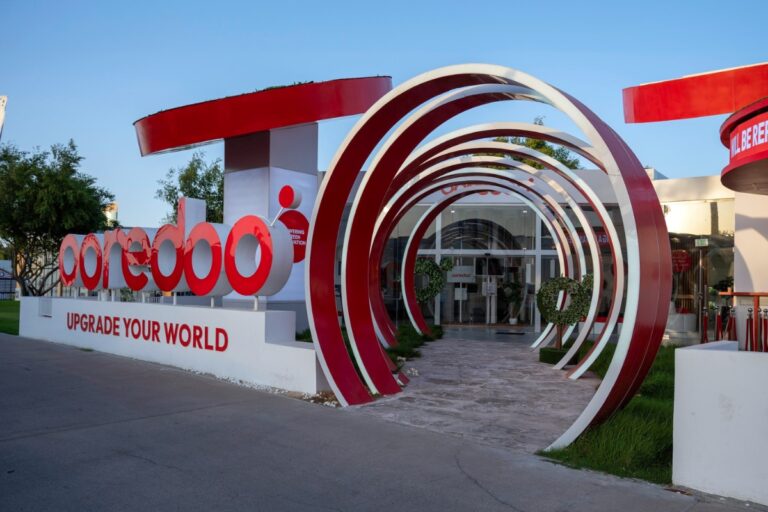
On the show floor, MWC Doha 2025 translated strategy into experience through demonstrations of next-generation network capabilities. One flagship showcase enabled drivers in Doha to remotely control a vehicle operating more than 4,300 kilometers away in Tallinn using 5G Standalone technology, illustrating the potential of ultra-reliable, low-latency networks for future mobility and remote operations. Another experience, powered by Ooredoo Qatar’s 5G-SA network, showcased how intelligent connectivity is redefining e-sports and interactive entertainment through an immersive racing experience.
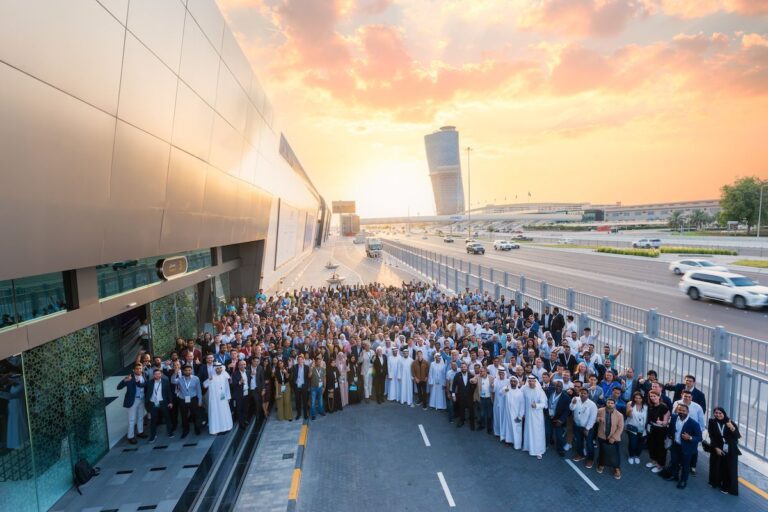
The scale and diversity of participation underlined the event’s global relevance. Attendees came from 110 countries, with a strong presence of senior decision-makers, while nearly 300 speakers addressed issues spanning regulation, spectrum policy, AI, cloud computing, cybersecurity, and satellite connectivity. The inaugural GSMA Ministerial Programme brought together 60 delegations from 49 countries, creating a high-level forum to align policy, investment, and regulatory approaches in support of inclusive digital growth.
Innovation was another strong focus, with 4YFN Doha hosting more than 100 start-ups and connecting founders with investors and ecosystem partners. More than 30 partnerships and announcements were made during the event, highlighting momentum behind collaboration across the digital ecosystem.
While celebrating digital progress, the GSMA also emphasized the need for inclusivity. Despite widespread mobile broadband coverage, more than 340 million people across MENA still do not use mobile internet services. MWC Doha 2025 provided space to address this gap by sharing best practices and reinforcing commitments to extending the benefits of connectivity to all communities.
As MWC Doha 2025 closes, it leaves behind a clear message: MENA is not on the sidelines of global digital transformation. With ambition, investment, and collaboration aligned, the region is increasingly shaping the future of connectivity, while recognizing that sustained effort will be required to ensure digital progress is inclusive and widely shared.