Lenovo’s Ambient Intelligence: A New Chapter in the History of Personal Computing
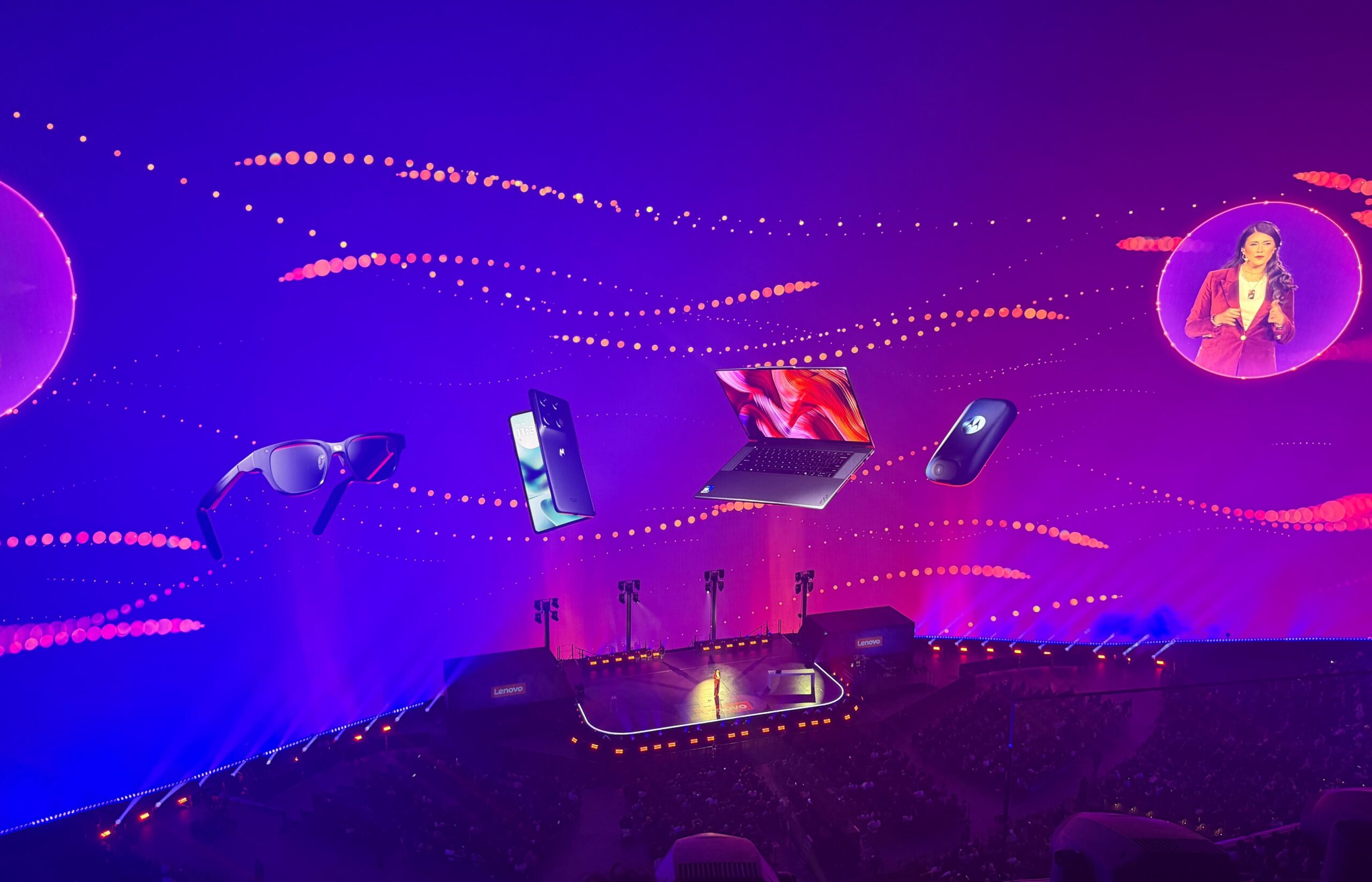
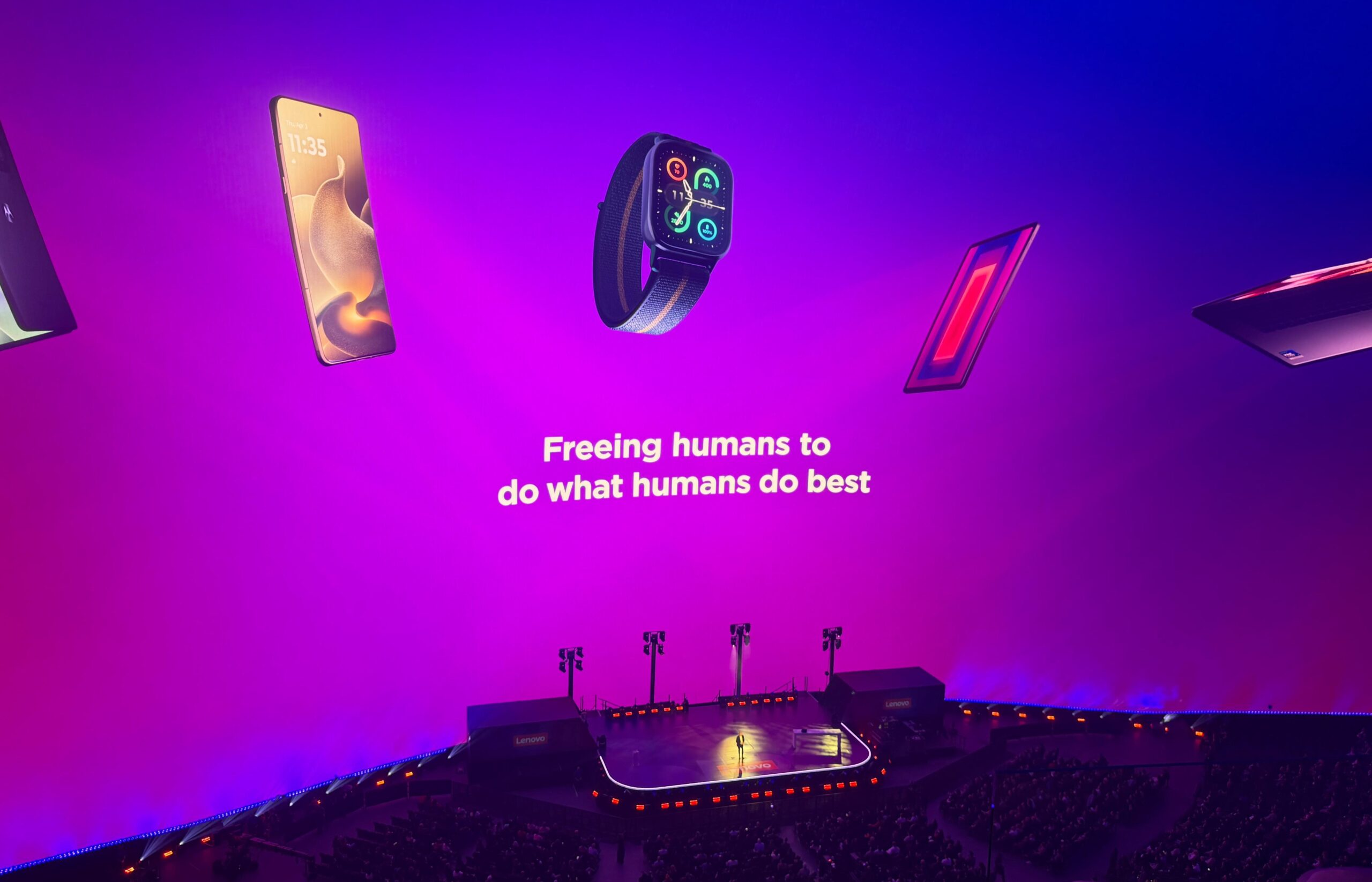
CES 2026 marked a pivotal turning point in the strategy of Lenovo and Motorola, as they unveiled the concept of “Ambient Personal Intelligence” with the launch of the Lenovo Qira and Motorola Qira systems.

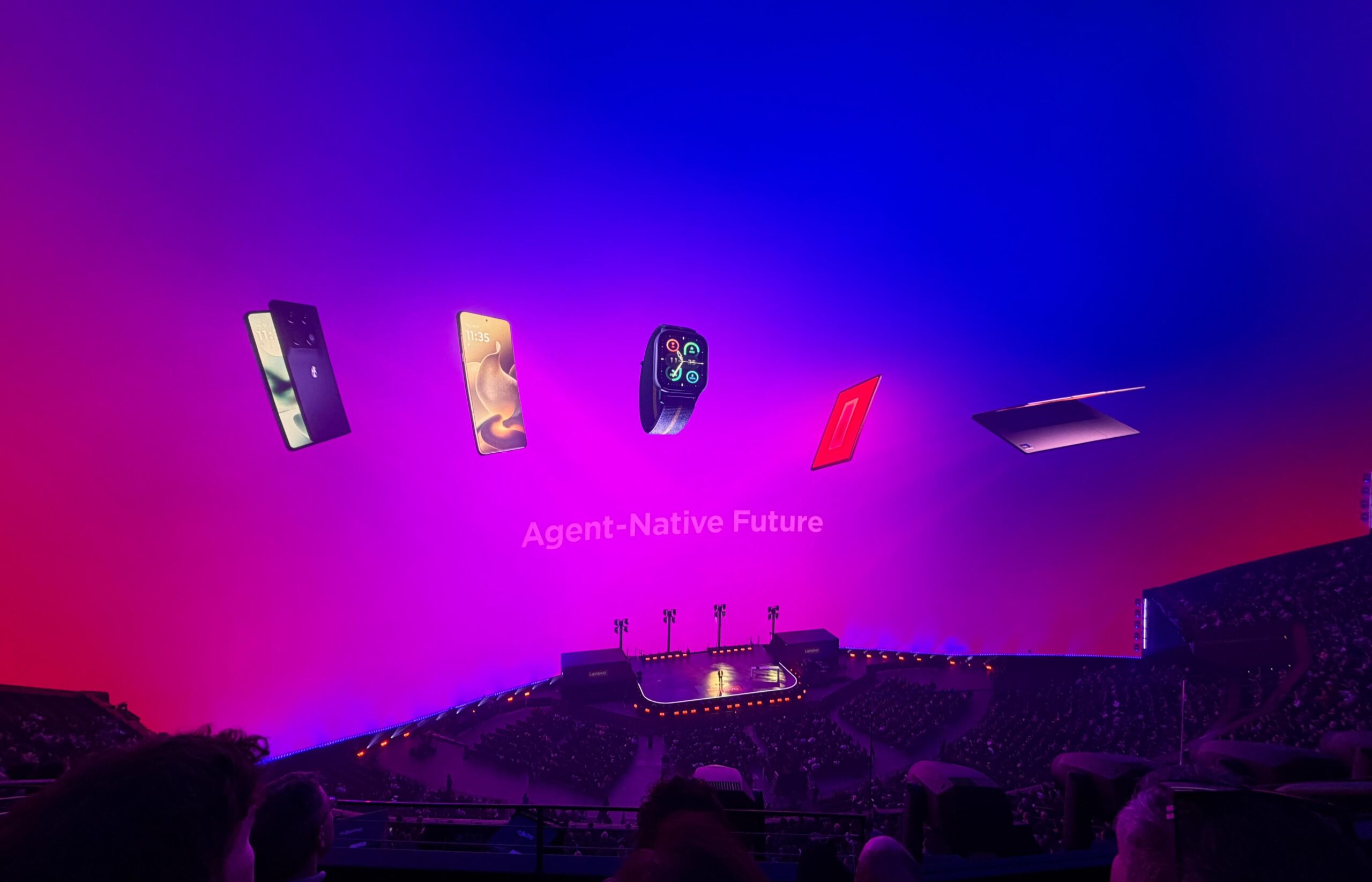
This announcement represents a departure from the norm; it is not merely about introducing new devices, but rather establishing a unified AI ecosystem that breaks down the barriers between different hardware. This system offers users a seamless experience that travels with them from PCs to phones and tablets as a single, cohesive entity, without the need to open separate applications or worry about managing connections between devices.
Turning to the mechanics of this system, artificial intelligence transforms from a mere technical tool into an intelligent partner that understands the user’s context and anticipates their needs moment by moment. The system supports this direction through advanced productivity features, such as:
-
“Catch Me Up”: Provides a summary of what the user missed while away.
-
“Write For Me”: Assists in drafting text.
-
“Next Move”: Intelligently suggests the next steps based on current activity.
Hardware Innovations
On the hardware front, Lenovo has redefined the laptop concept with the ThinkPad Rollable XD Concept. This device features an innovative rollable screen that allows it to transform from a compact 13.3-inch size to a spacious workspace approaching 16 inches with a single touch. This technology provides over 50% additional viewing space, granting users superior multitasking capabilities and the freedom to work without the need to carry bulky devices.
Parallel to its display innovations, the company unveiled “Project Kubit” (the Lenovo Personal AI Hub), designed to be the “brain” of the digital home. This device functions as an edge-cloud solution housing advanced processing units powered by the NVIDIA Grace Blackwell chip. It integrates data from various personal devices to create a user-specific AI model that continuously evolves while strictly maintaining privacy.
Lenovo’s innovations extended to the future of displays, showcasing the AI-Powered Personalized Display Concept, which places user well-being first. This screen automatically adjusts lighting and color temperature based on time and geographic location to regulate the body’s circadian rhythm, reflecting a focus on health that goes beyond mere image quality.











Smart Accessories and Availability
Regarding smart accessories, the company introduced the Lenovo AI Glasses Concept. With an ultra-light weight of just 45 grams, they act as an extension of screens, offering features like real-time translation and a teleprompter, all supported by an 8-hour battery life. Additionally, they launched the sustainable Self-Charging Kit, featuring a mouse and keyboard powered by light-harvesting technology. The mouse operates efficiently even in low light conditions (down to 50 lux), effectively ending the need for traditional charging.
Lenovo also outlined the roadmap for rolling out these technologies, confirming that the Qira AI experience will begin reaching select Lenovo devices in the first quarter of 2026. The system is planned to expand subsequently to Motorola phones, with seamless over-the-air updates for existing users.
This integrated suite of software and concept hardware embodies Lenovo and Motorola’s vision for an interconnected tech future. It is a future where barriers between the user and their devices dissolve, technology becomes smarter and more sustainable, and devices transform from rigid tools into a living ecosystem that integrates seamlessly with daily life.