Is the post-smartphone era approaching?
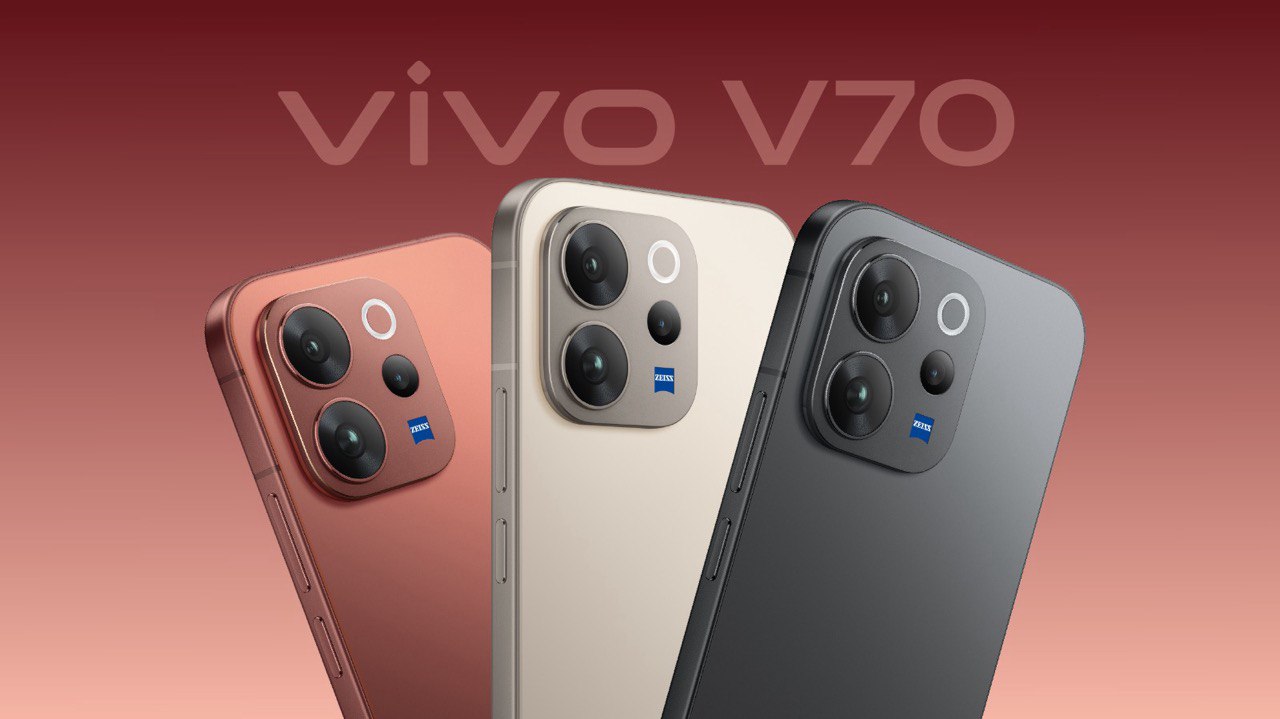
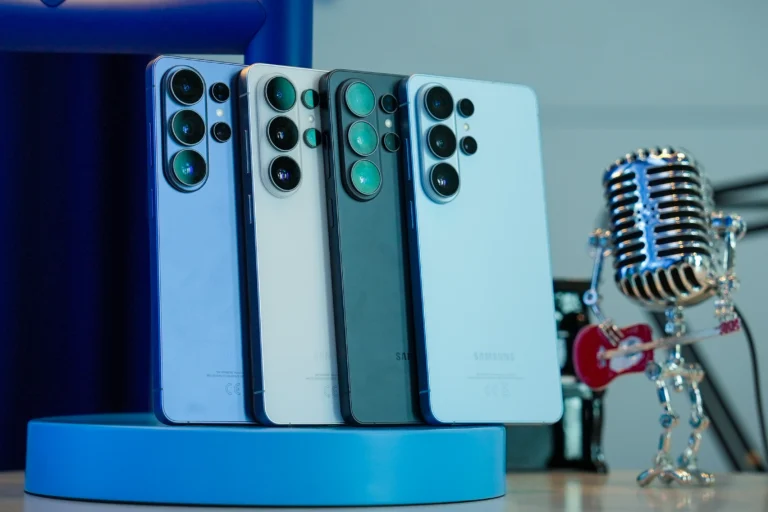
For nearly two decades, smartphones have served as the primary gateway to the digital world. Devices such as Apple’s iPhone and the wide range of phones powered by Google’s Android operating system have transformed how people communicate, work, and consume information. These devices are now so deeply embedded in daily life that it can be difficult to imagine a different form of personal technology dominating the market. Yet many technology companies are now exploring alternatives, believing that artificial intelligence could usher in a new generation of devices that challenge the smartphone’s central role.
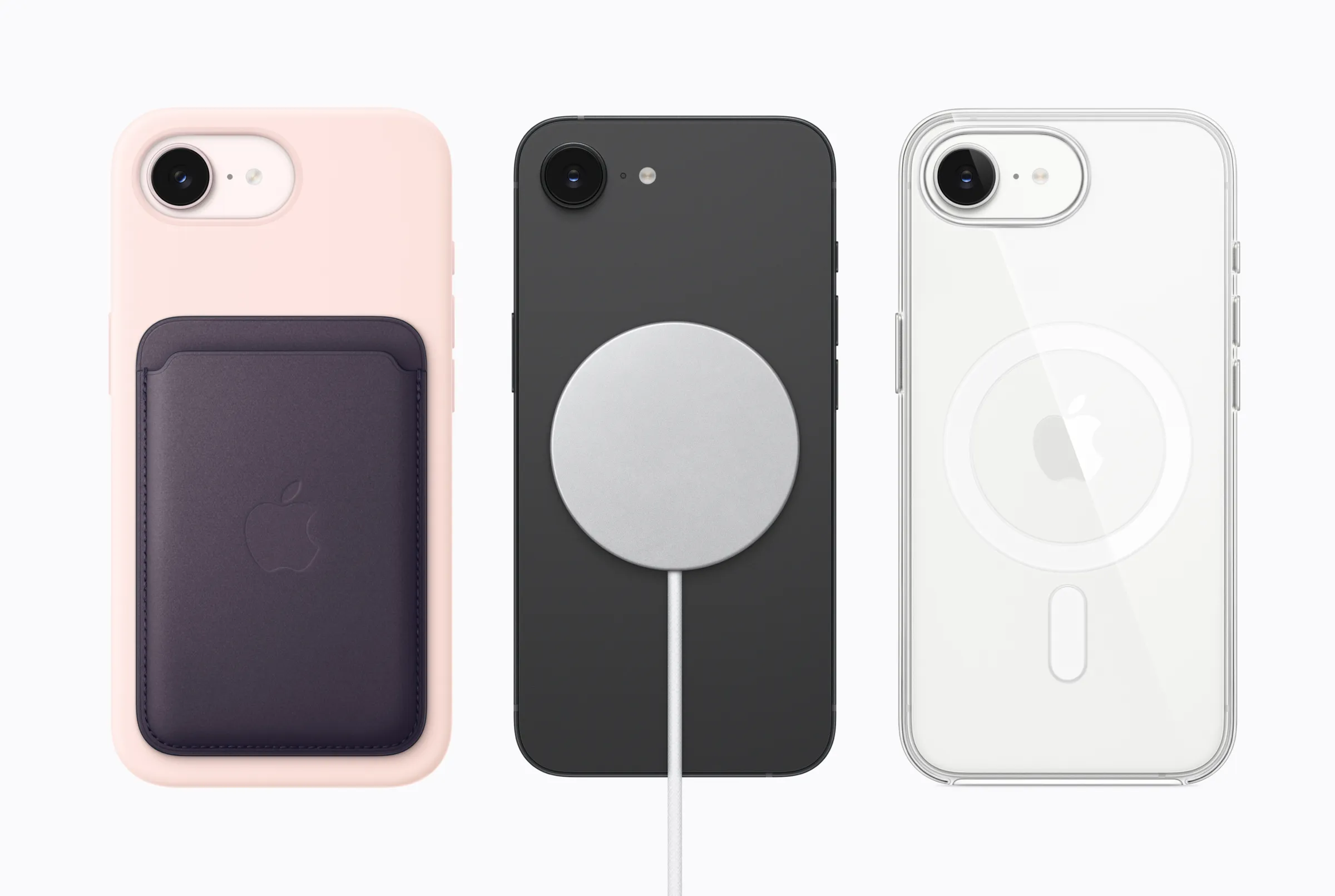
The current mobile ecosystem is largely dominated by two companies. Apple controls the iPhone and the tightly managed software and hardware environment surrounding it, while Google provides the Android operating system used by most other smartphone manufacturers. Their platforms connect billions of users with apps, services, and digital marketplaces, generating enormous revenues from hardware sales, advertising, and app distribution.
The relationship between these companies has often been both cooperative and competitive. Google’s services remain widely used on Apple devices, and agreements between the two companies ensure that Google’s search engine remains the default on many iPhones. Such arrangements benefit both firms financially and help reinforce the existing structure of the smartphone ecosystem.
Artificial intelligence, however, is beginning to reshape the landscape of consumer technology. Instead of interacting primarily through screens and apps, future devices may rely more heavily on voice commands, contextual awareness, and AI assistants capable of managing many tasks automatically. This shift has encouraged several technology companies to experiment with new hardware forms designed around AI-first experiences.
One area attracting significant attention is wearable technology. Smart glasses equipped with cameras, microphones, and speakers are being developed to deliver information directly within a user’s field of view. These devices could display messages, provide navigation directions, or allow users to capture photos and videos without having to pull a phone from their pocket. The idea is to create a more seamless connection between digital services and the physical environment.
Voice-enabled devices represent another possible direction. Smart speakers and earbuds equipped with AI assistants already allow users to perform tasks such as controlling home devices, playing music, or searching for information. Future versions could become even more capable, handling complex requests and acting as intermediaries between users and the broader digital world.
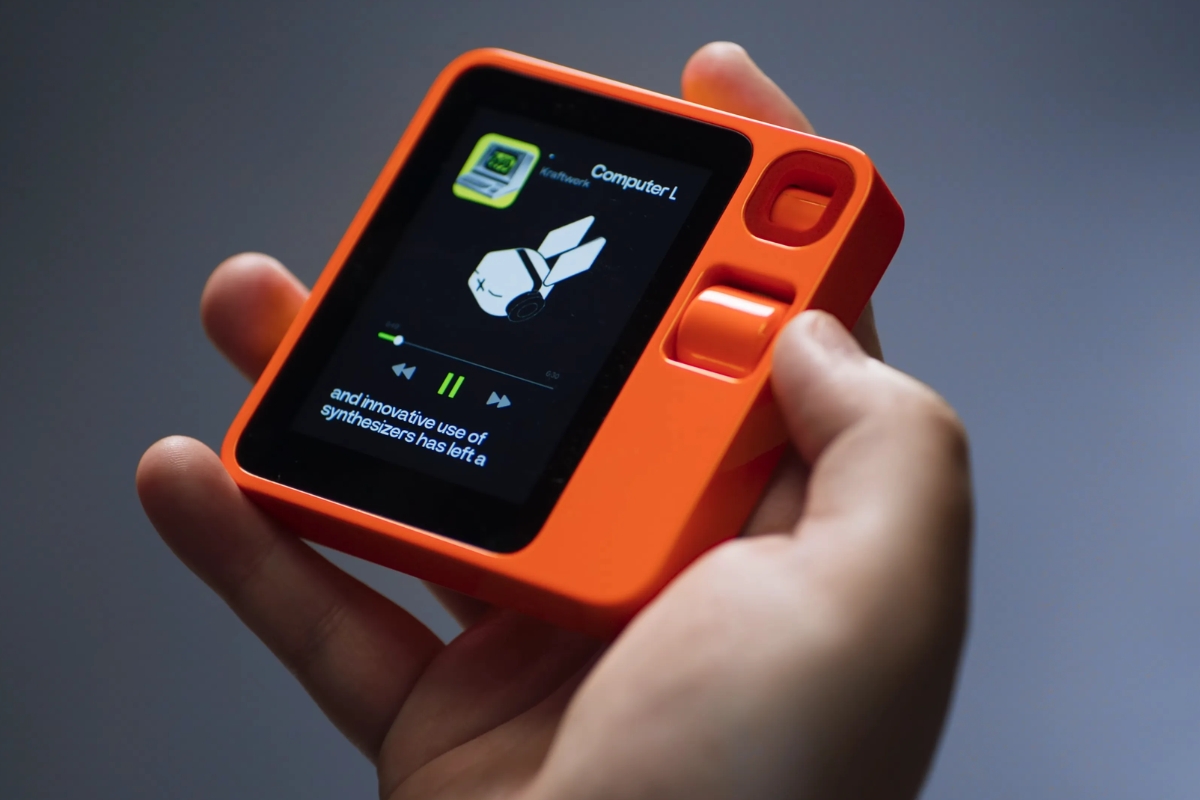
Some companies are also developing compact devices intended to function as personal AI companions. Rather than presenting rows of apps on a touchscreen, these gadgets would allow users to interact primarily through conversation. A single AI system could manage communication, schedule tasks, search the internet, and coordinate various digital services on the user’s behalf.
While these concepts are still emerging, the smartphone market itself is showing signs of slowing growth. Global shipments are expected to decline in 2026, partly due to rising production costs. RAM has become more expensive as semiconductor manufacturers direct more resources toward supplying data centers that power artificial intelligence systems. Forecasts expect budget phones to be the most affected by this.
Beyond manufacturing concerns, the smartphone ecosystem itself presents limitations for some companies. App developers distributing their software through mobile app stores typically pay commissions on digital purchases made within their applications. For businesses that rely on subscriptions or in-app transactions, these fees can significantly reduce profit margins. Creating alternative hardware platforms could allow companies to build services without relying on the existing app store structure.
Data access also plays an important role in the competition between technology firms. Smartphones act as intermediaries between users and many digital services, giving the companies that control mobile operating systems considerable influence over how data is collected and shared. Changes to privacy features in recent years have made it more difficult for some companies to track user behavior across apps and websites. New types of devices could enable information to be gathered in different ways, potentially giving companies greater control over their data pipelines.
Despite the growing interest in alternatives, the smartphone’s dominance remains enormous. Hundreds of millions of devices are sold every year, while emerging technologies such as smart glasses or AI assistants have only reached relatively small user bases. Convincing consumers to abandon a device that already performs so many functions will be a difficult challenge for any new platform.
Technical limitations also present obstacles. Wearable devices must remain lightweight and comfortable, leaving little room for large batteries or powerful processors. Heat management can be another issue, especially for gadgets worn close to the body. Engineers must balance performance, battery life, and comfort in ways that smartphones do not require to the same degree.
Privacy concerns add another layer of complexity. Devices equipped with cameras or sensors that constantly observe the surrounding environment can raise questions about how data is collected and used. Addressing these concerns will be essential if wearable technologies are to gain widespread acceptance.
Because of these challenges, many early AI devices may depend on existing hardware to perform demanding computations. A wearable gadget might capture voice commands or display information while relying on a smartphone or remote server to handle the more intensive processing tasks. In this scenario, the smartphone would remain an important component of the digital ecosystem, even if users interact with it less frequently.
Technology companies are also adapting their own products to the rise of artificial intelligence. Both Apple and Google are integrating more advanced AI capabilities into their operating systems, digital assistants, and developer platforms. These improvements aim to make smartphones themselves smarter, potentially extending their relevance even as new device categories emerge.
Artificial intelligence aims to reshape how people interact with technology, and efforts to move beyond the smartphone have clearly begun. Yet, the outcome remains uncertain.