Hybrid physics and artificial intelligence sharpens electric car stability
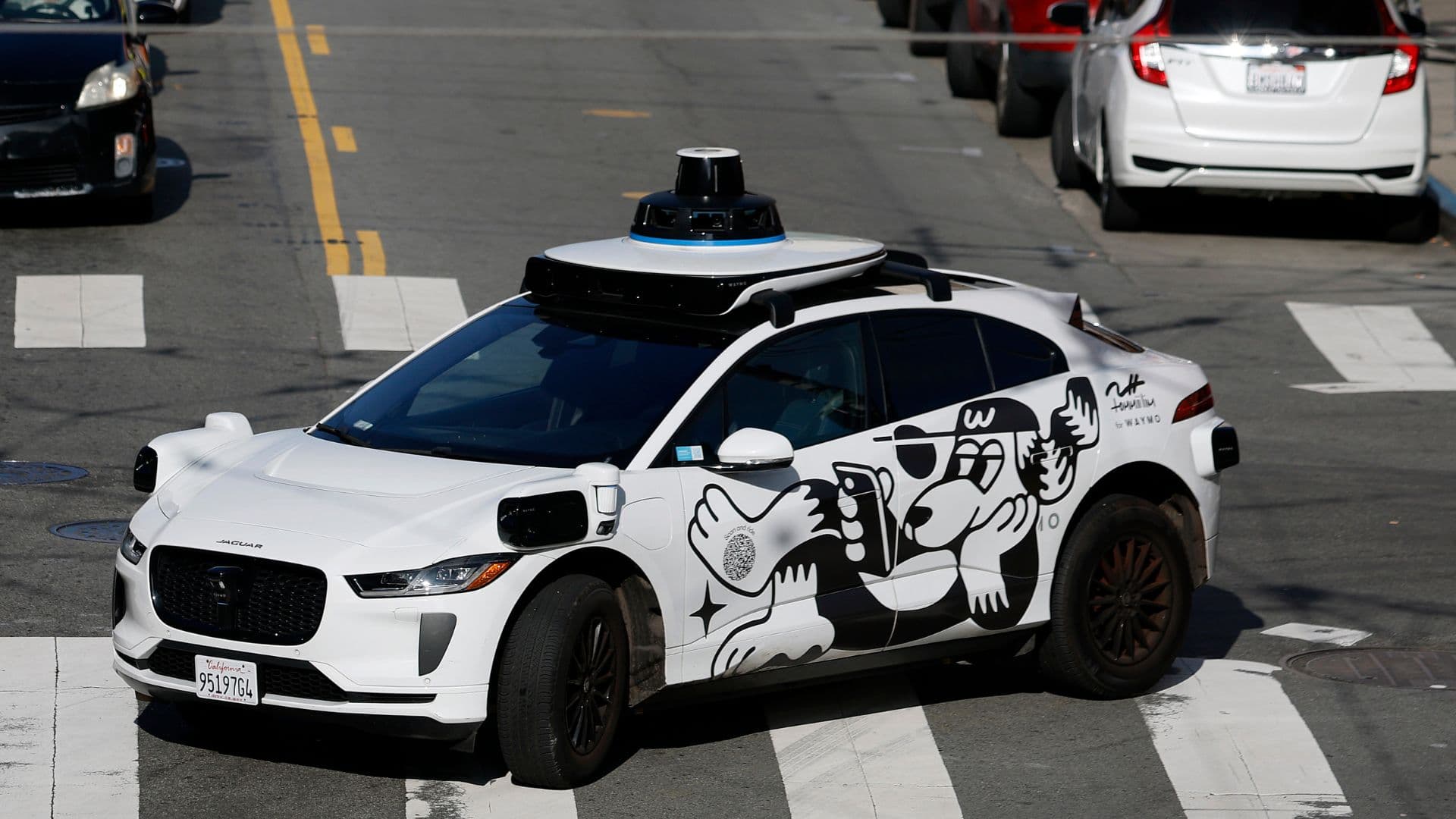
Researchers at Daegu Gyeongbuk Institute of Science and Technology (DGIST) have developed a “physical artificial intelligence” vehicle state estimation system designed to track how an electric vehicle moves in real time, with a focus on motion states that are difficult to measure directly.
Vehicle state estimation is a core part of modern stability control and automated driving because control systems rely on accurate, up-to-date information about vehicle motion while braking, steering, and cornering.
DGIST said the work was led by Professor Kanghyun Nam and carried out with international collaborators including Shanghai Jiao Tong University and the University of Tokyo.
The goal was to improve estimation accuracy under real-world conditions where road friction, tire deformation, and rapid maneuvers can reduce the reliability of conventional model-only approaches.
A key target for the system is the sideslip angle, which describes how much a vehicle is sliding sideways relative to its direction of travel, especially during turns or on low-friction surfaces. Estimating this value quickly is important because delayed detection can limit how effectively a control system can respond.
The method combines a physical tire model with a data-driven component based on Gaussian process regression, then fuses the information using an unscented Kalman filter.
DGIST said the framework continuously uses sensor inputs, including measurements related to lateral tire force, to adapt to changes in tire behavior and driving conditions.
DGIST said the team validated the approach using an electric vehicle platform across multiple road surfaces, speeds, and cornering scenarios, and reported consistent estimation performance across the tested conditions.