How is a 90-year-old group building a tech-driven future? A look into Al-Futtaim’s strategy

In an era where corporate strategy is often shaped by quarterly earnings and short-term market sentiment, Al-Futtaim Group stands apart. Privately owned, deeply rooted in the UAE, and shaped by more than 90 years of operating through economic cycles and technological shifts, the group has planned its future on a fundamentally different premise: long-term value creation.
Transforming a company at the scale of Al-Futtaim is not a small feat. The company employs thousands across over 20 countries and has a diverse portfolio of businesses. Yet, the company is at the forefront of artificial intelligence, cloud infrastructure, electric mobility, and data-driven customer ecosystems.
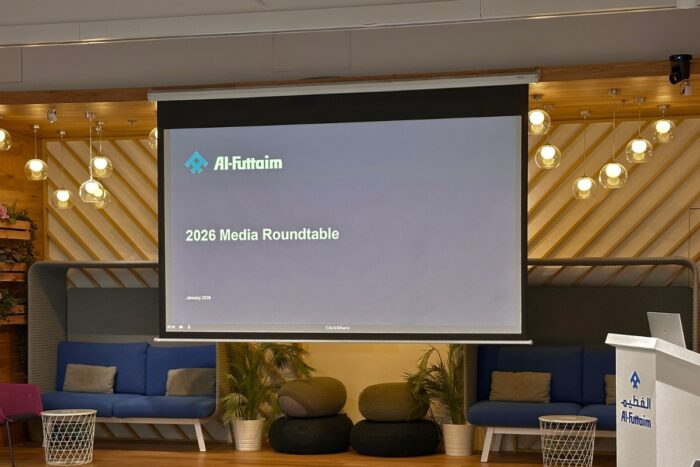
Al Futtaim Media Roundtable – Dubai, January 2026
In a recent roundtable, we had the opportunity to examine the strategy through the perspectives of three leaders shaping it from different angles: finance and governance, mobility and business transformation, and group-wide technology execution. Together, their views reveal how a diversified, family-owned conglomerate is quietly building one of the Middle East’s most integrated digital platforms.
Long-term strategy, not short-term headlines
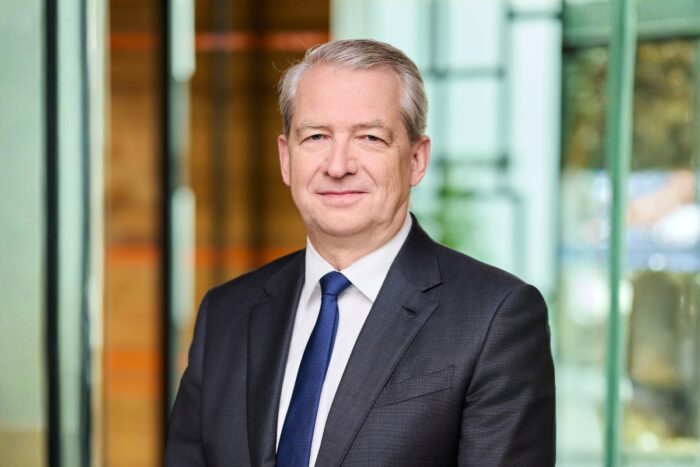
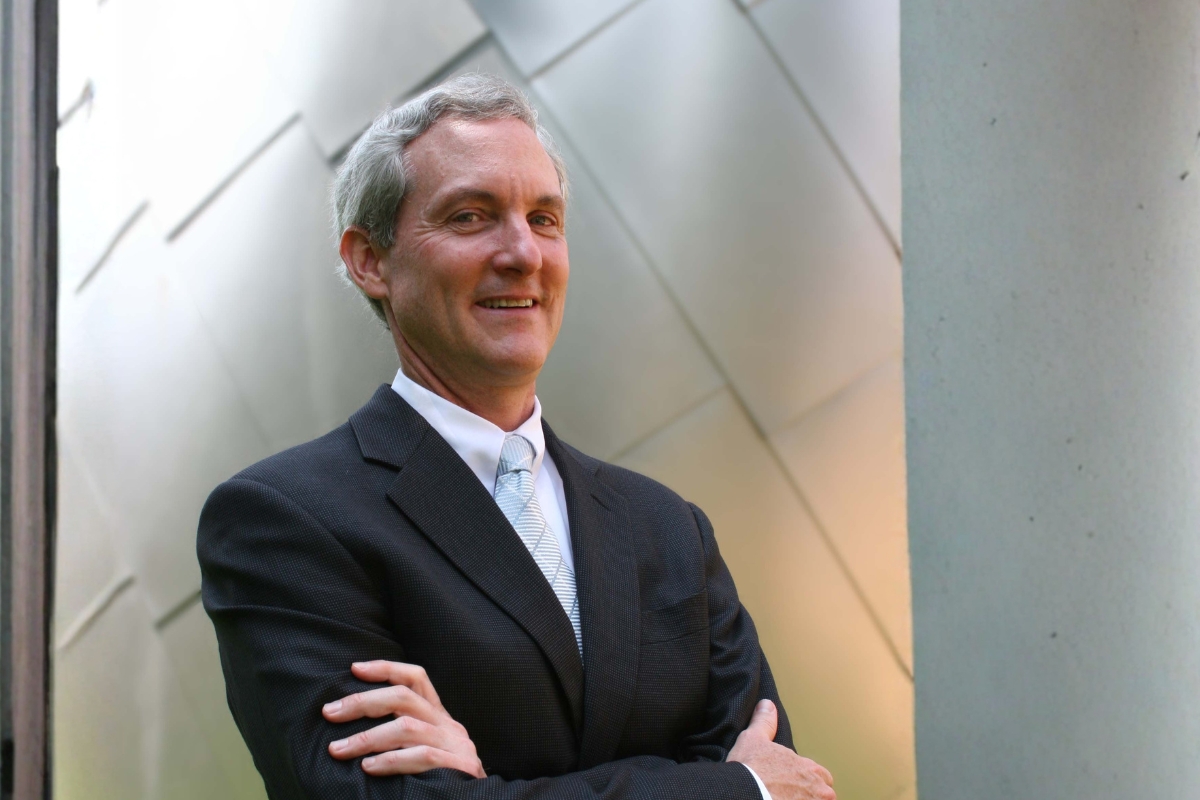
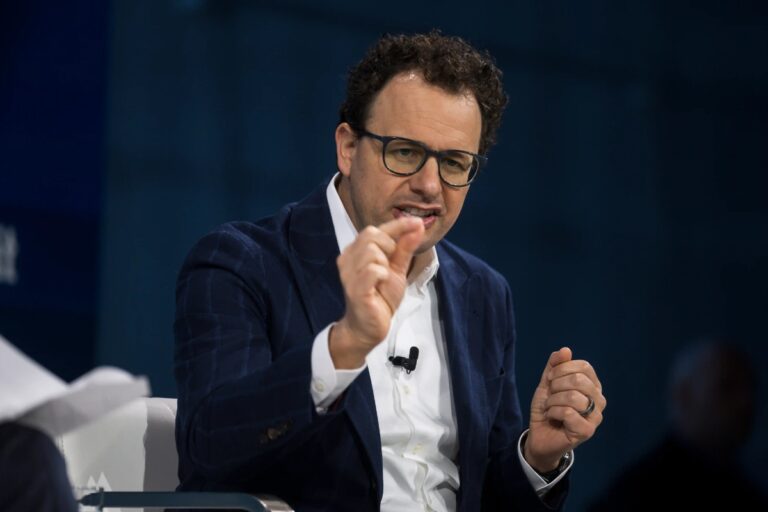
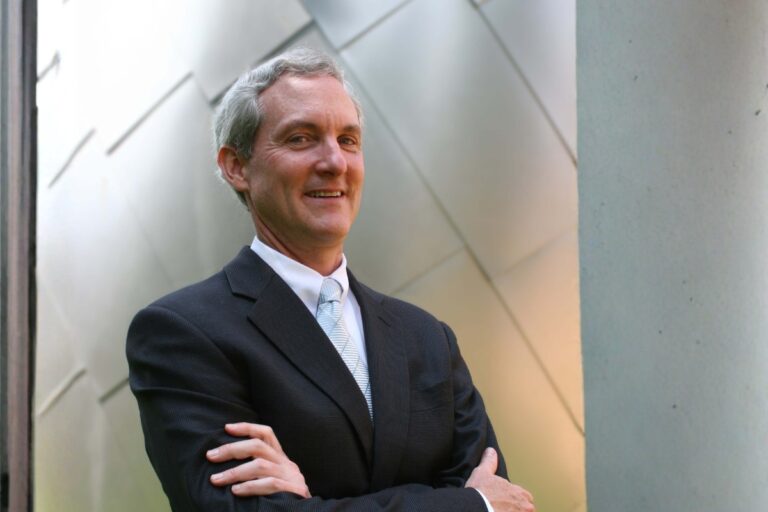
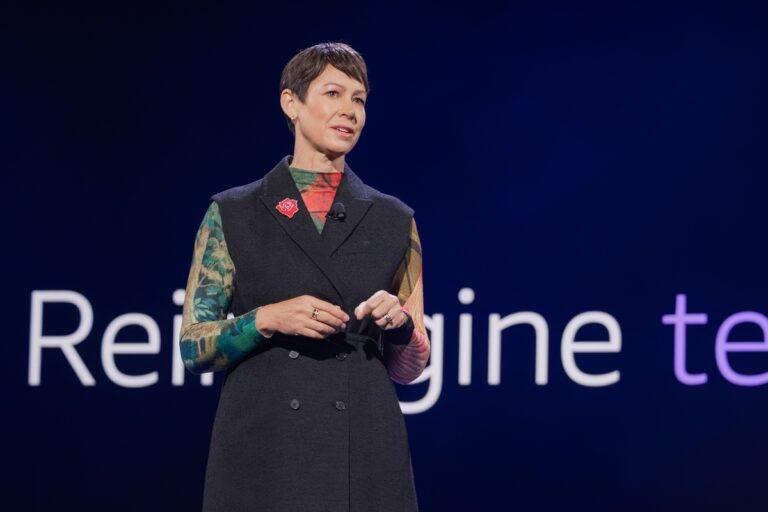
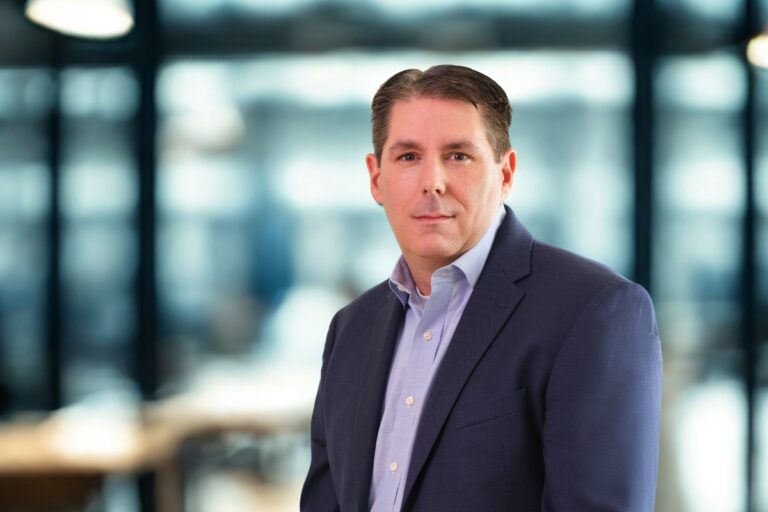
Pär Östberg, Group Director, Finance at Al-Futtaim Group
For Pär Östberg, Group Director, Finance at Al-Futtaim Group, the company’s technology ambition is inseparable from its ownership model and investment horizon. “We are in it for the long term,” he notes, emphasising that the group is not constrained by quarterly reporting or short-term exit timelines as is the case for exchange-traded companies. That patience has enabled Al-Futtaim to invest steadily in technology foundations well before AI and digital transformation became boardroom buzzwords.
The group today spans five major divisions: automotive, retail, real estate, healthcare, and financial services. It operates across more than 20 countries and employs around 40,000 people. That scale, combined with geographic and sectoral diversification, has historically allowed Al-Futtaim to remain resilient through crises, from global financial downturns to the COVID-19 pandemic.
Technology, Östberg explains, now acts as the connective tissue across that diversified portfolio. Centralised platforms in finance, HR, IT, and data allow individual businesses to focus on navigating their markets while benefiting from shared digital capabilities. “It gives us the ability to take a strategic view,” he says, “rather than reacting to short-term noise.”
This long-view approach also shapes where the group invests. For instance, Al-Futtaim is doubling down on high-growth regions such as the GCC, Egypt, and Asia. Unlike mature markets in Europe and North America, these growth markets are well-suited for infrastructure investment, demographic growth, and digital adoption.
Mobility as a testbed for transformation
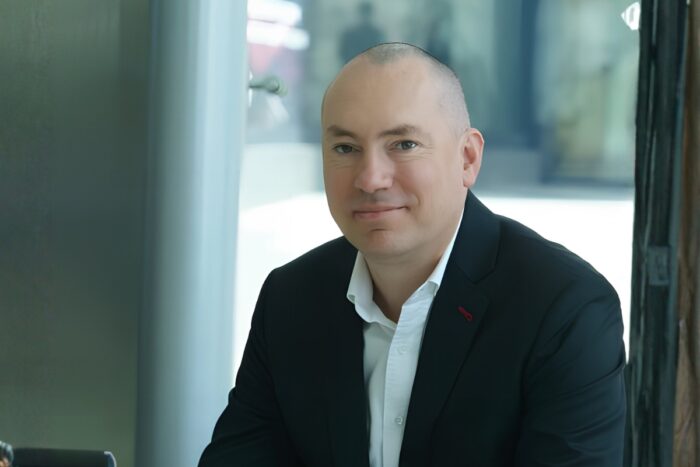
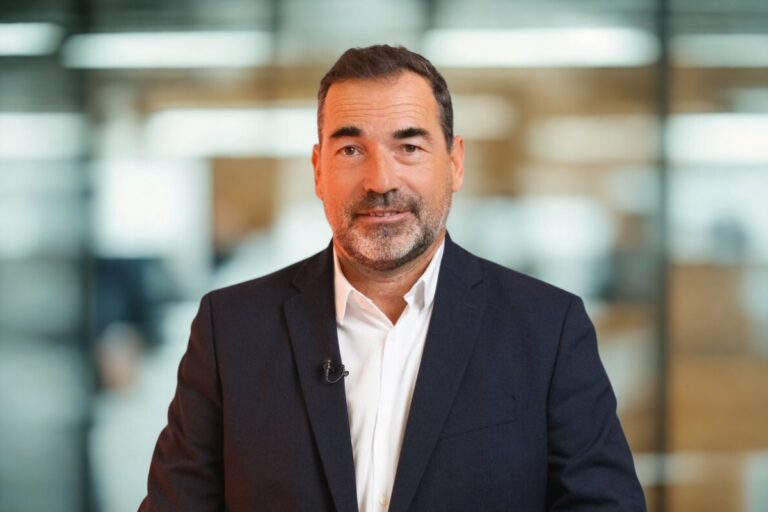
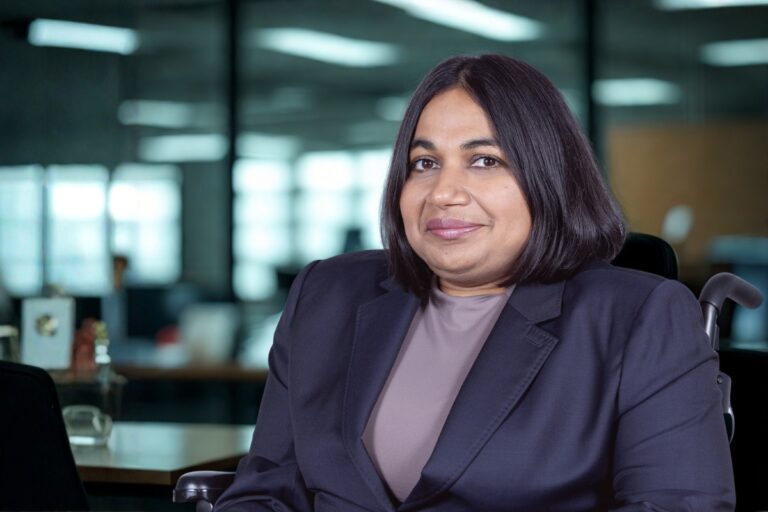
Antoine Barthes, Vice President of Al-Futtaim Automotive
Nowhere is Al-Futtaim’s technology strategy more visible than in its automotive and mobility division, one of the group’s largest and most complex businesses. Antoine Barthes, Vice President of Al-Futtaim Automotive, describes an industry undergoing a fundamental shift, one that extends far beyond selling vehicles.
“The mobility landscape is changing drastically,” he says. Electrification, connectivity and autonomous technologies are reshaping not just products, but entire value chains. For Al-Futtaim Automotive, that means evolving from a traditional distributor model into an end-to-end mobility ecosystem.
The group’s automotive operations span more than 9,000 employees across eight countries and represent over 25 brands in passenger vehicles, commercial transport, construction equipment, marine, and power products. Managing that breadth requires deep partnerships with global manufacturers and data-driven insights into customer behaviour.
Electrification is a central focus, but Barthes is clear that vehicles alone are not enough. Charging infrastructure, logistics, financing, aftersales networks, and digital customer journeys all have to move in parallel. That is why Al-Futtaim has invested in dedicated charging infrastructure businesses, integrated financial services models, and multi-brand aftersales platforms, each enabled by shared digital systems.
Equally important is collaboration with the public sector. From urban mobility planning to autonomous vehicle trials at Dubai Festival City, Al-Futtaim is working closely with regulators and city planners to ensure that new technologies translate into real-world value. “This transformation is a shared responsibility,” Barthes notes, highlighting the role of data, AI, and connectivity in aligning public and private efforts.
Building the technology engine
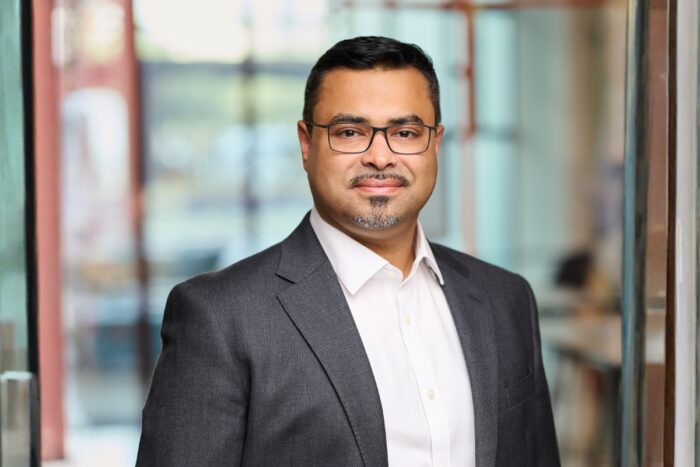
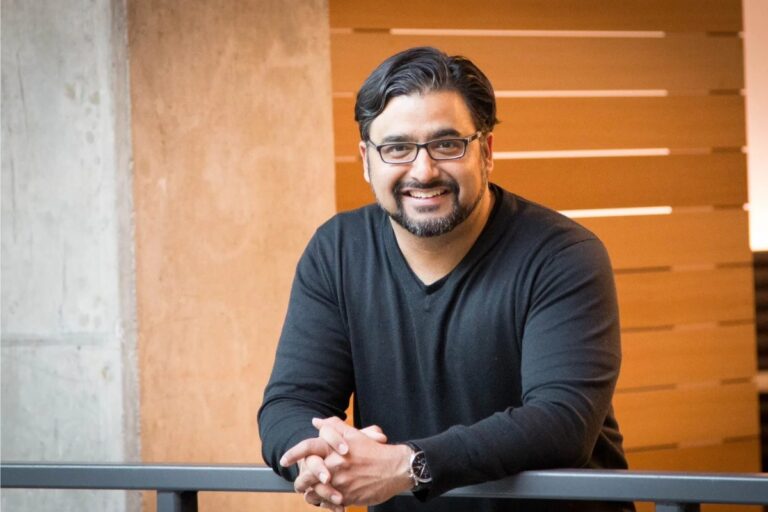
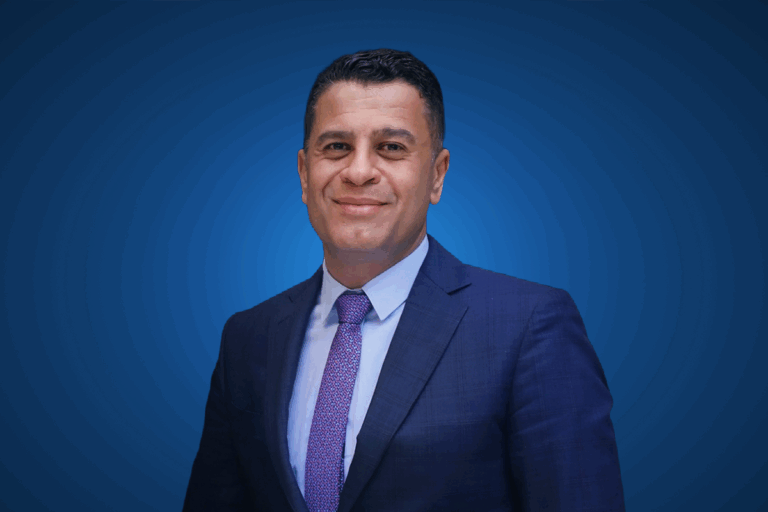
Himanshu Shrivastava, Chief Technology & Data Officer at Al-Futtaim
If automotive provides the most visible proof points, the engine behind Al-Futtaim’s transformation sits at the group level. That engine is led by Himanshu Shrivastava, Chief Technology & Data Officer at Al-Futtaim.
Shrivastava’s mandate has been to build scalable, future-ready foundations before pushing aggressive innovation. Over the past few years, Al-Futtaim has completed a full migration to the cloud, becoming one of the only large regional enterprises to shut down its on-premise data centres entirely. At the same time, the group upgraded its digital core, completing a group-wide cloud transformation in under two years, an achievement few global conglomerates have matched.
On top of that foundation sits a unified data platform connecting customers, operations, and employees across all divisions. Whether a customer interacts with Al-Futtaim through automotive, retail, healthcare, or real estate, those interactions can now be understood holistically, within strict governance and security frameworks.
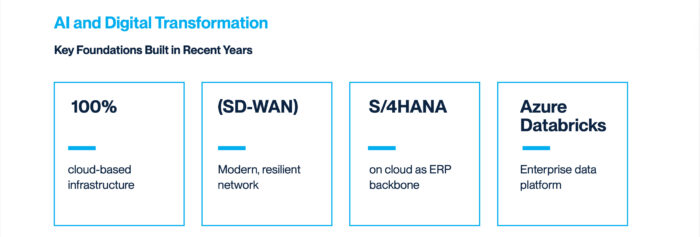
Al-Futtaim’s AI and digital transformation foundations
Artificial intelligence is embedded across this platform. From agentic AI tools that support frontline staff, to computer vision in retail and healthcare, to predictive analytics in sales and operations, AI is being used to augment decision-making rather than replace people. “Technology is not about replacing humans,” Shrivastava emphasises. “It’s about enabling them.”
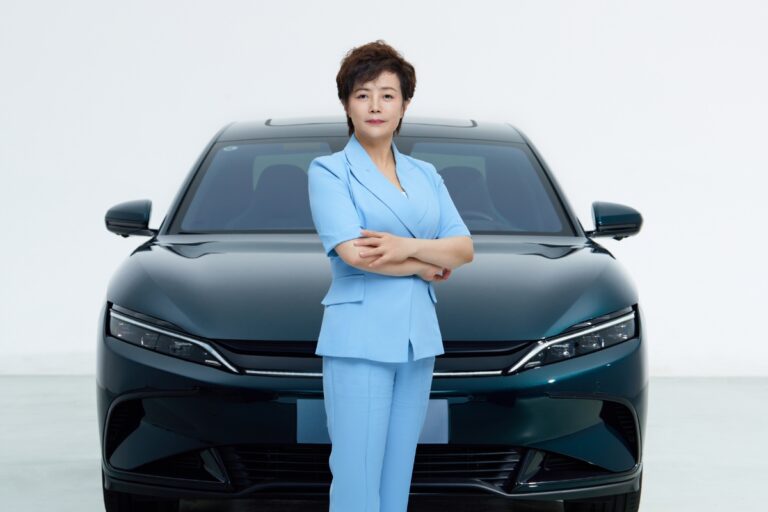
The commercial impact is already visible. AI-powered pop-up stores have accelerated BYD’s growth in the UAE and Saudi Arabia. Similar models have been adapted for real estate launches, improving lead quality and conversion rates. In healthcare, voice-enabled clinical documentation and AI-assisted insurance processing are simultaneously improving doctor productivity and patient experience.
Preparing for the next 90 years
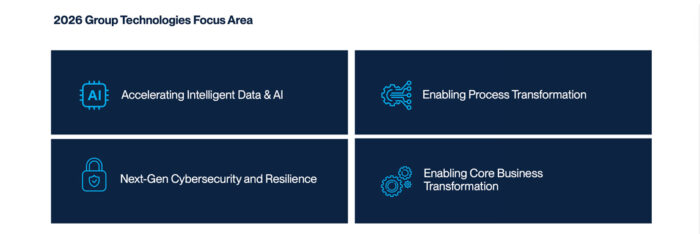
Al-Futtaim Group 2026 focus areas
Underlying these initiatives is what unified philosophy: a cultural and operational model designed to prevent silos and encourage cross-pollination of ideas. Innovations proven in one division are rapidly adapted across others, allowing the group to move faster than competitors operating in narrower verticals.
Equally critical is talent. Alongside its technology investments, Al-Futtaim has rolled out group-wide upskilling programmes, AI academies, and internal summits to ensure employees understand and trust the tools being introduced. From senior executives to frontline staff, thousands of employees have already undergone structured AI and digital training.
Al-Futtaim’s technology journey is still unfolding, but its direction is clear. By aligning patient capital, diversified businesses, and a unified digital backbone, the group is positioning itself to scale in a world defined by data, AI, and intelligent infrastructure. In doing so, it is proving that legacy and innovation are not opposing forces. With the right foundations, a 90-year-old company can think and build for the next 90 years.