Fraudulant ads brought Meta $16 billion in 2024, report claims

If you’ve been overwhelmed by scam ads on social media, you’re not alone. A new report from Reuters shows that these kinds of ads are more common than ever, especially in the AI era.
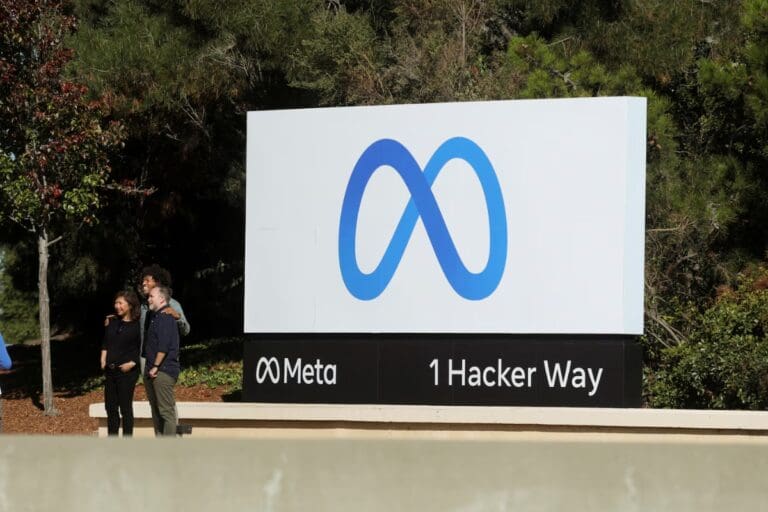
A recent Reuters investigation revealed serious issues within the internet ad-supported industry, showing that much of Meta’s, the largest social networking company in the world, revenue comes from scam and fraudulent ads.
The report states that Meta estimated last year that about 10% of its total annual revenue, roughly $16 billion, came from fraudulent ads running on its platforms, mainly Facebook, Instagram, and recently WhatsApp.
The internal documents reviewed by Reuters also claimed that, for three consecutive years, Meta didn’t sufficiently protect users from deceptive ads promoting illegal gambling, fake investment opportunities, and banned medical products.
These fraudulent campaigns typically promoted nonexistent products or services, deceiving unsuspecting users into sending money or revealing personal information. Some of the worst offenders used the likenesses of public figures, such as well-known business or political leaders, to promote highly tempting “investment opportunities” to unsuspecting victims.
Meta reportedly uses a system designed to estimate the likelihood that an advertising campaign is fraudulent. However, the company only suspends an advertiser’s account if the system is at least 95% confident of wrongdoing. In other cases, Meta raises the cost of ad placements for accounts it suspects of fraud, supposedly to discourage them from purchasing more ads. When these advertisers continue to buy despite the increased costs, the additional spending ultimately increases Meta’s revenue.
In statements to Reuters, Meta spokesperson Andy Stone argued that the documents “present a selective view that distorts Meta’s approach to fraud and scams.”
Stone also said that over the past 18 months, the company has cut user reports of scam-related ads by 58% and taken down more than 134 million fraudulent advertisements from its platforms.