Ford halts F-150 Lightning, launches $2 billion storage push
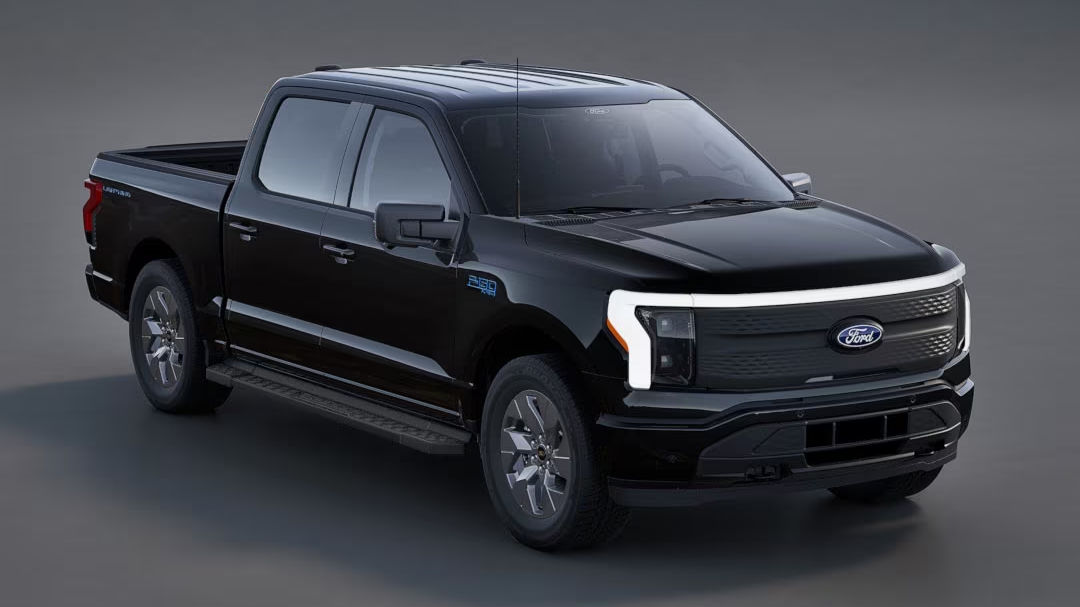
Ford has ended production of the current-generation F-150 Lightning and is shifting workers back to gasoline and hybrid truck lines as it resets its electrification plans and expands into battery energy storage for data centers and the power grid.
Ford said it will replace the fully electric Lightning with an extended-range electric vehicle that uses a gasoline engine as a generator to recharge the battery, targeting an estimated 700-plus miles of range while keeping towing capability central to the product.
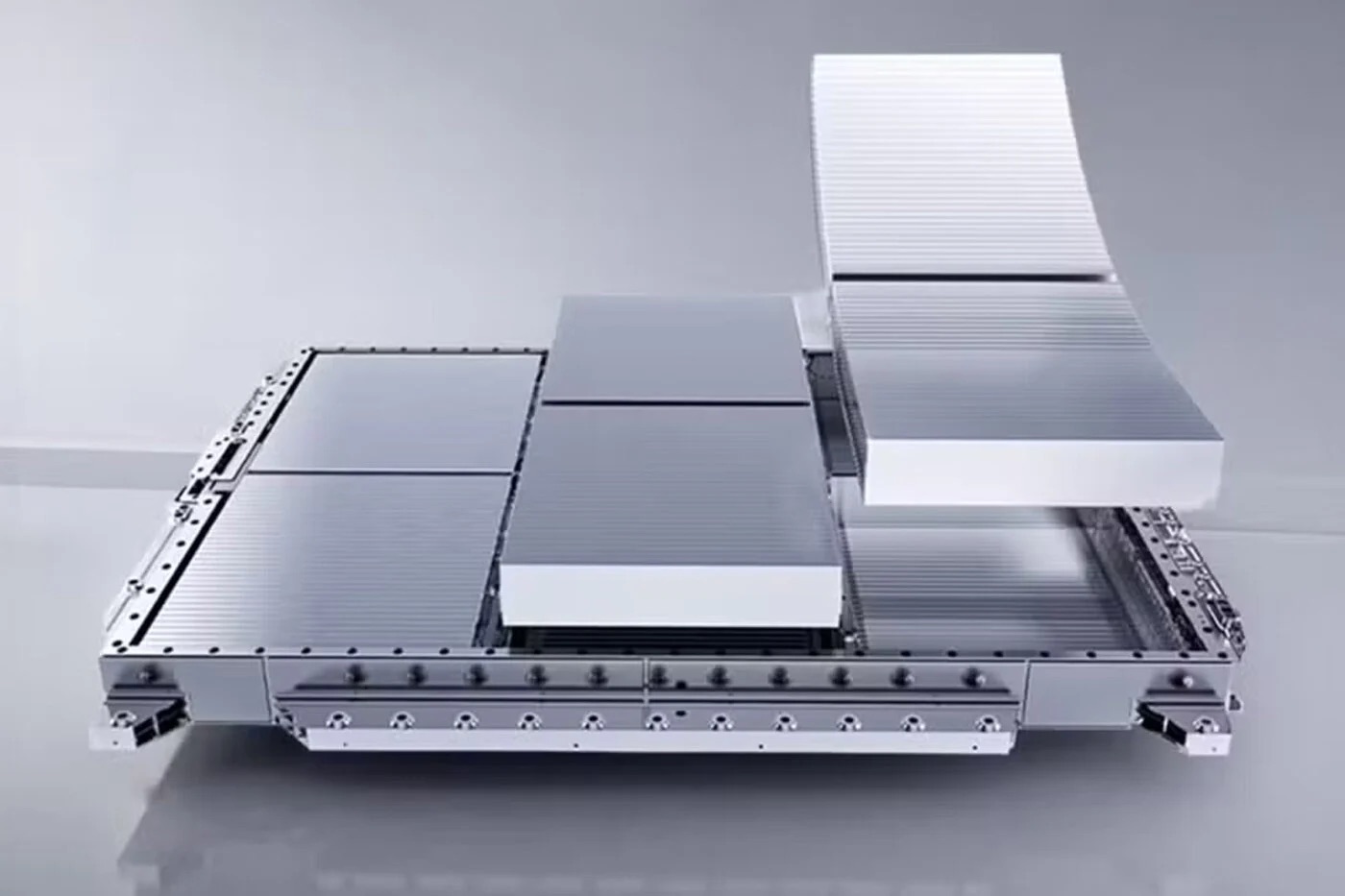
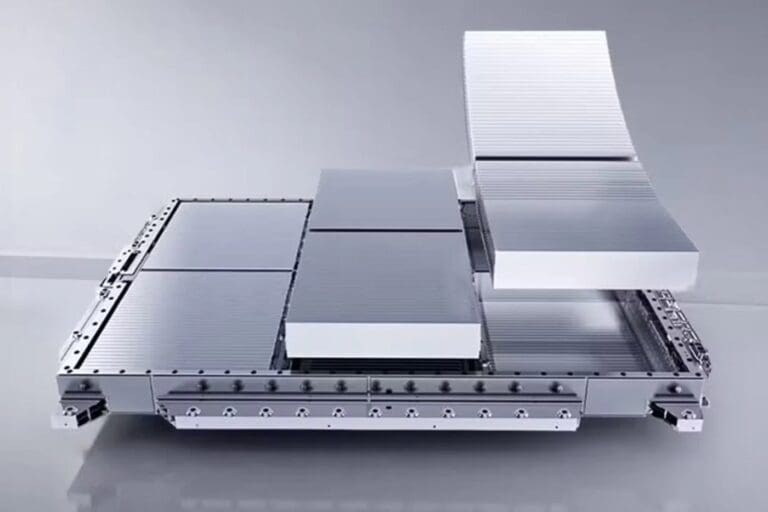
On the manufacturing side, Ford plans to invest about $2 billion over the next two years to scale its energy storage business, repurposing capacity in Glendale, Kentucky, to produce lithium iron phosphate prismatic cells, storage modules, and containerized systems used by large power users. Initial production is expected within 18 months, and Ford said it expects to deploy at least 20 gigawatt-hours of storage annually by late 2027.
The pivot follows the planned breakup of the BlueOval SK battery joint venture, under which a Ford subsidiary will take full ownership of the Kentucky plants, while SK On will own and operate the Tennessee site.
Ford also disclosed a $19.5 billion writedown tied to its electric-vehicle overhaul, including charges linked to canceled models and joint-venture changes.
The shift comes as Gulf markets ramp up artificial intelligence data center buildouts, increasing demand for dependable power and backup infrastructure; Saudi Arabia’s data center megawatt load is projected to expand 29% from 2024 through 2030.