
Critical Infrastructure Is Emerging as the New Frontline in Cyber Warfare
Over recent years, a new class of cyberattack has emerged—one that differentiates itself from traditional hacking because it primarily targets critical infrastructure. Unlike typical attacks driven by financial motives or earlier “hobbyist” intrusions meant to demonstrate technical skill, today’s infrastructure assaults are often motivated by political or ideological reasons. They are frequently designed as potential offensive tools for use during conflicts.
Infrastructure threats take many forms. One common type targets power grids, disrupting electricity production, especially at solar or wind facilities. These attacks can also be used for industrial sabotage, mainly in sensitive sectors like oil and gas. Furthermore, they can attack centralized systems such as healthcare, banking, or government networks, causing widespread disruptions and loss of access to essential services.
One of the most significant infrastructure-related cyber incidents took place in 2021 when the Colonial Pipeline in the U.S. was attacked, stopping about 45% of the fuel supply to the U.S. East Coast and causing billions of dollars in indirect damages. Although that attack was already severe, experts warn that water infrastructure — especially dams — could pose an even greater risk.
In August 2025, the Norwegian government revealed that hackers had briefly gained control of a small dam in a western Norwegian town. Unlike the Colonial Pipeline incident, the attackers weren’t a ransomware group looking for cryptocurrency payments. Instead, Norway accused state-sponsored hackers of being behind the breach, especially since the intruders opened the dam’s floodgates and released about 500 liters of water per second.
Fortunately, the targeted dam was small and used for fish farming rather than flood control; however, the incident reignited longstanding fears about dam security in a world where nearly every facility operates through interconnected digital systems.
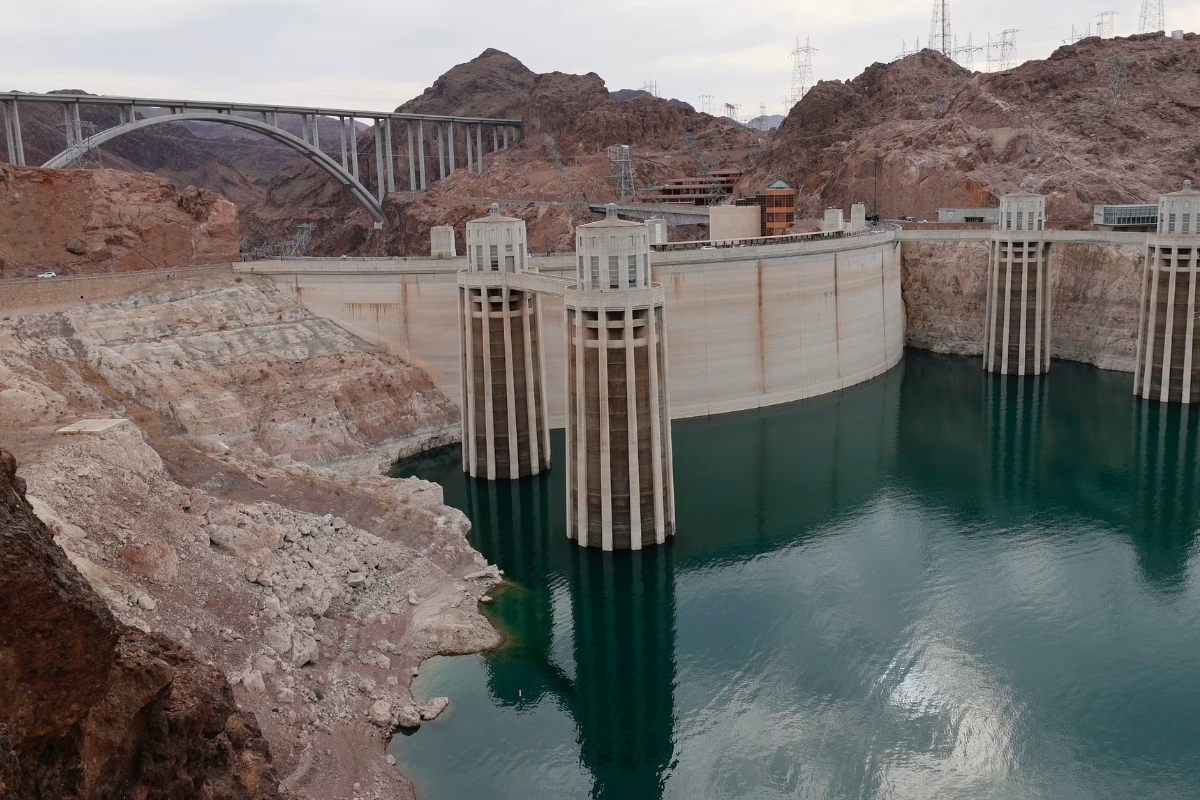
The risk involving dams and water infrastructure is their potential for destruction. Malicious tampering could cause severe flooding or intentional contamination, such as changing chemical levels in treatment facilities, making water unsafe to drink.
So far, no cyberattack targeting dams has been weaponized during an active armed conflict. However, such intrusions might be simply “test runs” for future conflict scenarios. This new reality requires increased focus on the cybersecurity of industrial control systems — especially those that support the world’s most critical infrastructure.