China lifts chip ban, bringing relief to the auto industry

Following a rare in-person meeting between US President Donald Trump and his Chinese counterpart, Xi Jinping, Beijing has eased export restrictions on the Dutch semiconductor company Nexperia. This signals relief for automakers worldwide, as it could end recent manufacturing stops and disruptions faced by the industry.
The move represents a partial step toward resolving the chip dispute that has disrupted global automotive manufacturing and strained trade relations between China, the United States, and Europe. While the decision does not end the standoff, it reflects increasing pressure on all sides amid an ongoing semiconductor shortage.
China’s Ministry of Commerce announced the change on Saturday, stating that shipments of Nexperia’s mature-node chips would now be permitted “in eligible cases.” However, it did not specify the criteria. The ministry described the decision as an effort to strike a balance between national security considerations and global supply stability. It also criticized the Netherlands for what it called “improper interference in corporate affairs,” referring to the Dutch government’s earlier seizure of Nexperia’s assets.
Nexperia, a subsidiary of Wingtech Technology, a Chinese company, suspended shipments from its Chinese facilities several weeks ago after Dutch authorities took control of the firm. The seizure followed the U.S. government’s decision to extend its trade blacklist rules to include subsidiaries that are at least 50% owned by sanctioned entities. Dutch officials defended their actions, stating that they aimed to safeguard the technological expertise essential to Europe’s economic security.
Generating about $2 billion in annual revenue—around 60% of which is from automotive applications—Nexperia supplies core components like diodes and transistors used in hundreds of vehicle systems.
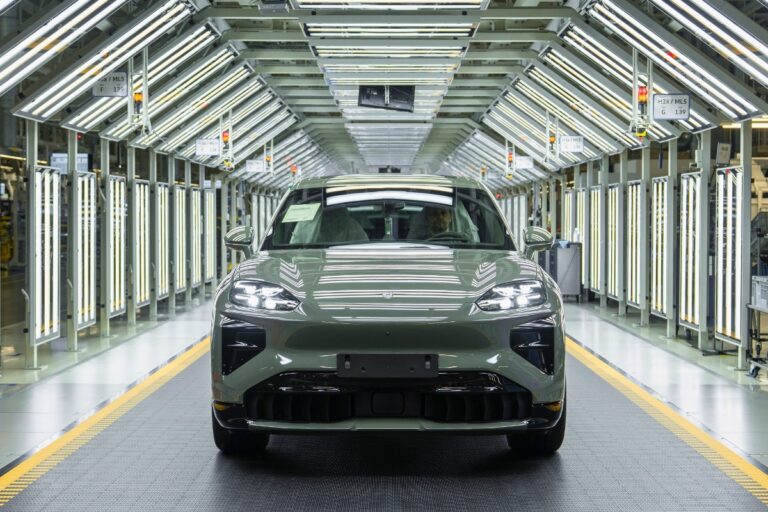
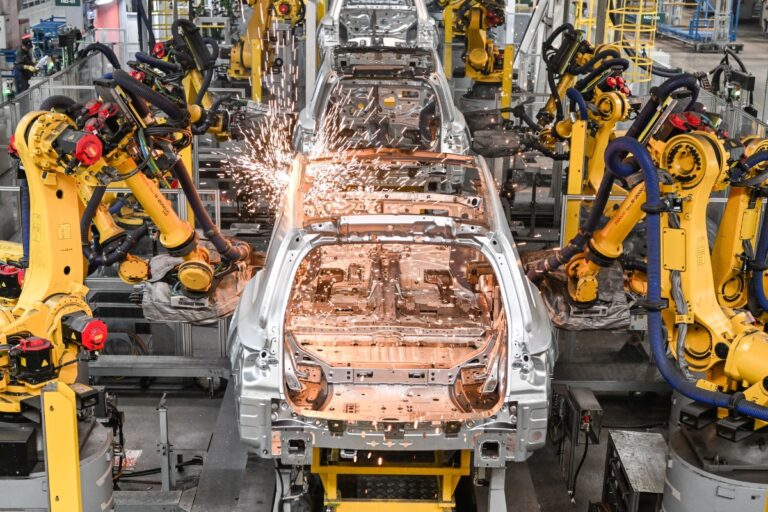
Because many of those chips are produced in China, the halt in shipments quickly disrupted car assembly lines across North America and Europe. Honda, for example, halted production at several of its North American factories last week, citing a decline in supplies of key semiconductors.
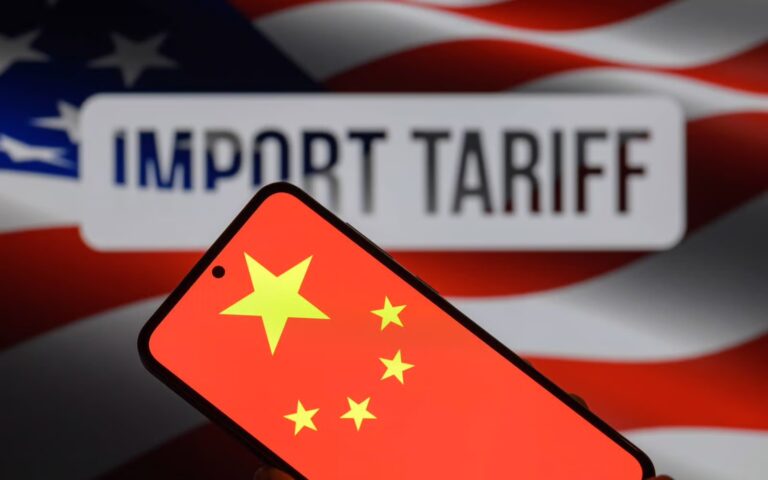
The renewed flow of shipments is part of a broader series of trade adjustments following the Trump-Xi meeting, their first face-to-face encounter in six years. The talks resulted in what both governments described as a temporary truce: the United States agreed to scale back specific tariffs. At the same time, China pledged to strengthen oversight of chemicals used in producing fentanyl, a drug component exported to the US and a major factor in the country’s foreign relations lately.