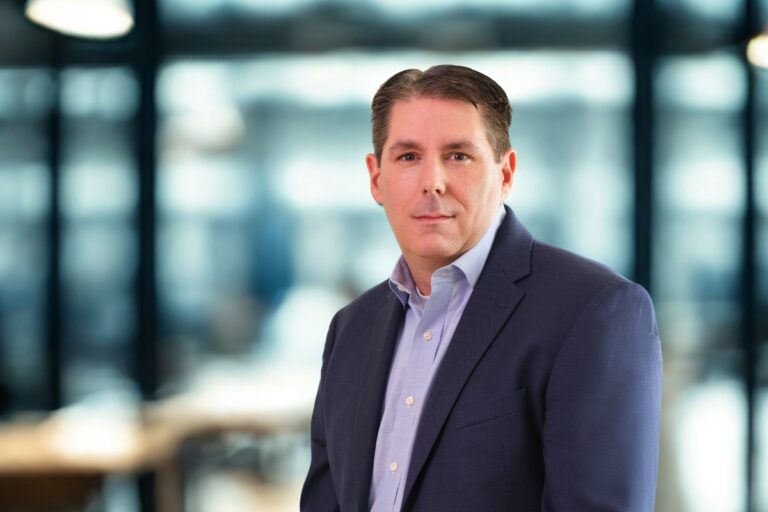
Can we trust the AI-powered internet? Tom Leighton of Akamai shares his perspective

As artificial intelligence continues to transform the internet today, there is much debate about its usefulness and the directions it might lead us. The rise of AI has introduced a wider variety of online services and has even changed many web experiences. However, this same technology can also cause serious problems—most notably in the area of security.
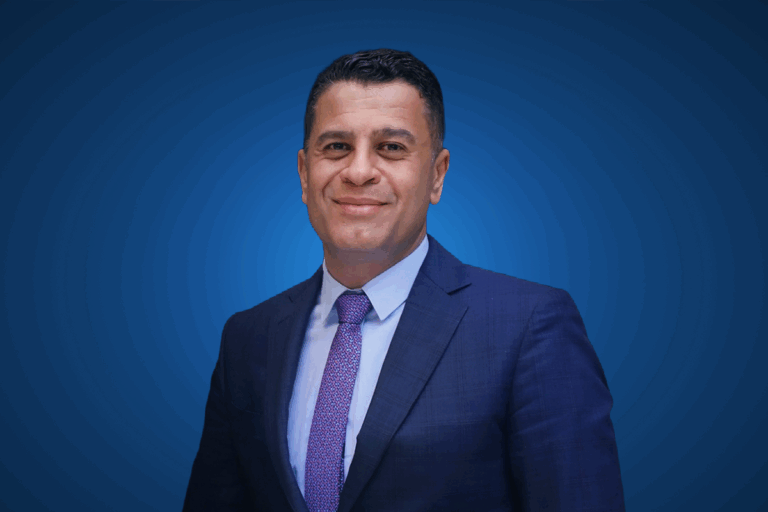
To discuss this matter, we met with Mr. Tom Leighton, CEO of Akamai, a leading company in cloud computing and security. Mr. Leighton discussed the new opportunities and risks associated with the changes driven by AI, as well as how his company is preparing to face the challenges of an increasingly connected world.
Redefining the Mission in the AI Era
Artificial intelligence is revolutionizing the way people and organizations operate online. As businesses adopt AI tools to automate processes and enhance decision-making, the risk of misuse, data leaks, and cyberattacks continues to grow. Few leaders understand this balance between innovation and security better than Tom Leighton, CEO and co-founder of Akamai Technologies. This company has quietly powered much of the internet for over twenty years.
Under Leighton’s leadership, Akamai evolved from a pioneer in content delivery networks into a global leader in cybersecurity and cloud computing. Today, its mission extends to securing the next phase of the internet. “Instead of clicking and typing, we’ll be talking to AI copilots that manage our digital lives. That creates tremendous opportunities but also serious risks.” Leighton says.
Security is an arms race, and we have to stay ahead.
A Firewall for the Future
Leighton explains that many AI systems can be manipulated into revealing sensitive information or performing unintended actions. To address these risks, Akamai introduced “Firewall for AI,” a solution that protects both users and models. The firewall also blocks sensitive or inaccurate information from being sent out by AI models.
The company views cybersecurity as an ongoing race of innovation, requiring constant investment and adaptation to stay ahead of evolving threats.
At the Edge
As real-time AI applications become more widespread, the need for faster and more responsive systems keeps growing. Leighton believes the future is in edge computing, where processing occurs close to the user instead of in remote data centers. “When you ask an AI assistant a question, you don’t want to wait several seconds for a response,” he explains. “The inference and logic need to happen near the user.”
Akamai’s network of more than 4,000 points of presence across 700 cities provides exactly that capability, allowing data to move efficiently and securely between systems. It has evolved into a distributed computing platform that enables real-time AI processing, enhanced security, and a more seamless user experience.
You can’t secure what you can’t see.
Unmasking Shadow AI
One of the biggest challenges enterprises now face is the spread of what Leighton calls “shadow AI.” As employees adopt AI tools without proper oversight, organizations lose visibility into the technologies being used and the data they might expose. “It’s incredibly difficult for security leaders to keep track of every AI tool in the company,” he notes. “Most of them are not secure, and the exposure adds up quickly.”
To help, Akamai provides visibility and protection tools that identify unauthorized AI systems within corporate environments. “You can’t secure what you can’t see,” Leighton says. In his view, understanding the extent of AI adoption is the first step toward adequate security.
Expanding in the Middle East
Akamai’s long-term strategy also involves expanding its presence in the Middle East. The company maintains multiple points of presence, security infrastructure, and managed container services across several key markets in the region. He states that Akamai intends to boost its compute and cybersecurity capabilities as the region’s digital economy continues to grow.
Leadership and Collaboration
Beyond technology, Leighton stays deeply involved in Akamai’s innovation strategy. He describes product development at the company as a teamwork process that combines the insights of engineers, researchers, partners, and customers. “The best ideas come from collaboration,” he says. “Our teams and customers help us see what’s next.”
When talking about success, Leighton consistently points to his team. He highlights that Akamai’s accomplishments come from shared expertise rather than individual praise. Every innovation is the result of the collective effort of the people pushing the company forward.
Lessons for Future Leaders
Leighton’s leadership philosophy focuses on awareness and adaptability. He believes that the best leaders are those who notice subtle changes in their environment, stay curious, and respond quickly to new challenges. As technology keeps evolving, these qualities will distinguish resilient organizations from reactive ones.
He views the rise of AI as a pivotal moment, similar to the early days of the internet. The technology will foster remarkable efficiency and new opportunities, but it will also demand vigilance and ethical responsibility to keep progress sustainable.
A Future Built on Trust
Leighton sees the future of AI as a balance between progress and protection. Artificial intelligence has huge potential to make the web smarter and more responsive, but its benefits rely on how securely it is managed. Success in this new era depends on advancing innovation while protecting the systems that support it.
Akamai’s commitment to that balance shapes its current mission, maintaining the internet as fast, reliable, and safe as it moves into the next phase of intelligent connectivity.