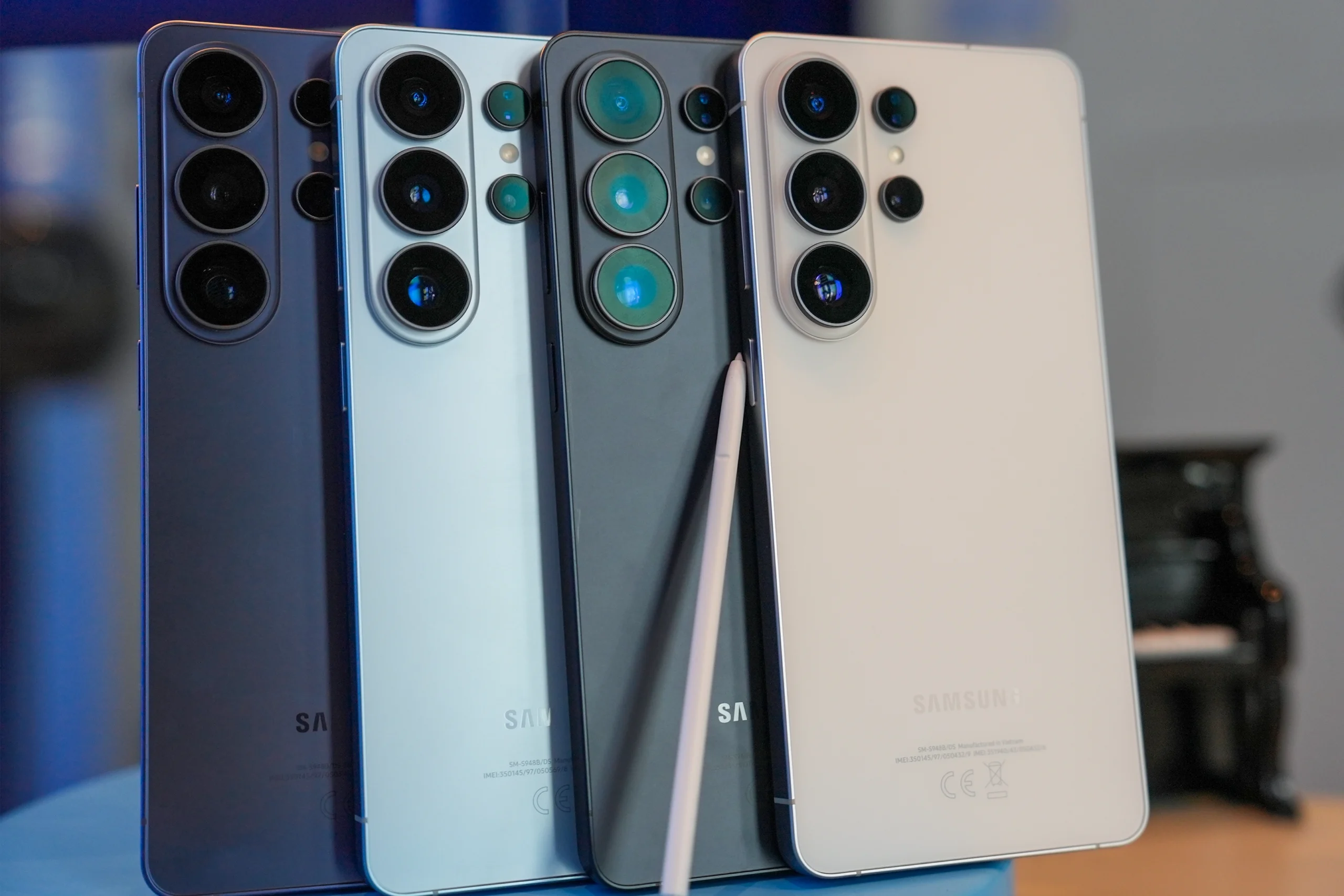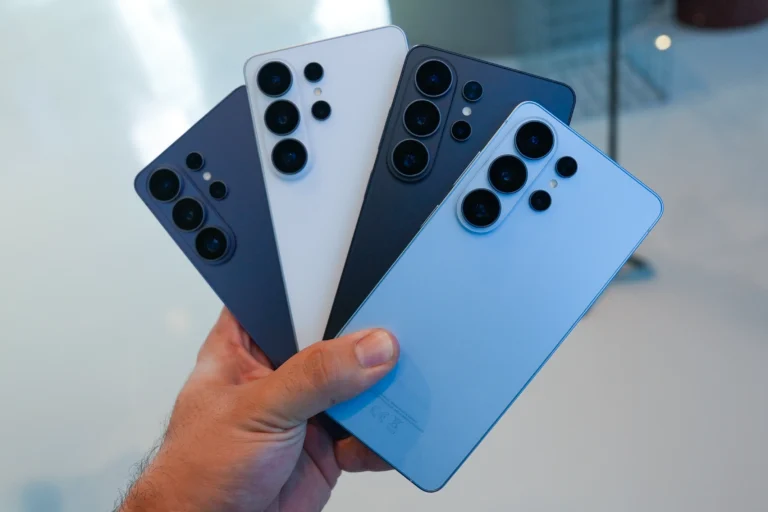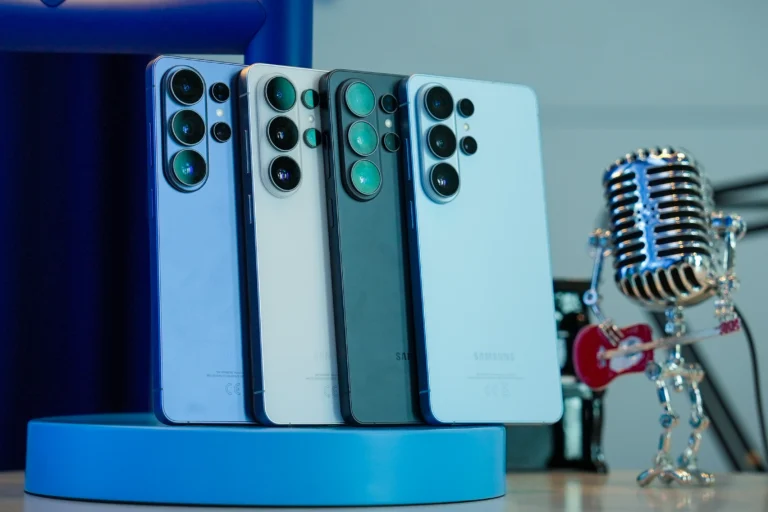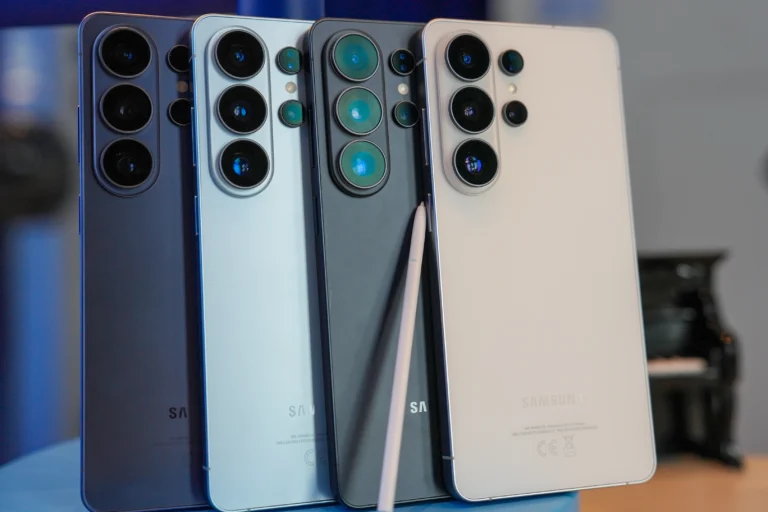
Beyond specs: the strategy behind Samsung’s Galaxy S26 series
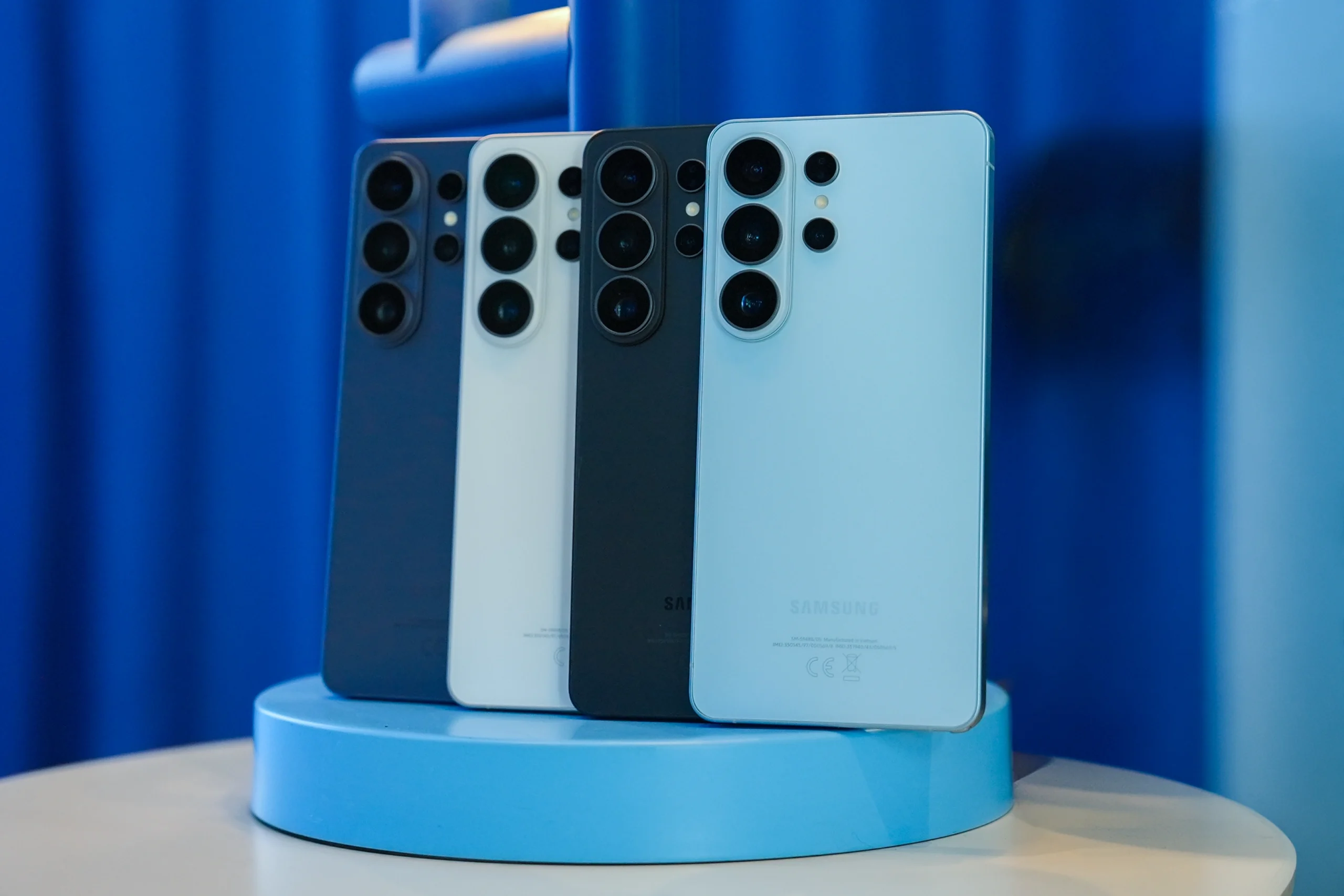
With the launch of the Galaxy S26 series, Samsung leaders made something abundantly clear: the era of spec-sheet competition is no longer the primary battlefield. “In the past, smartphone innovation was mostly about hardware specs,” Sunghoon Moon, Corporate EVP, Mobile R&D Office at Samsung, said during a briefing MENA TECH attended. “But today, what’s really important is real-day usability.”
That single statement frames the entire strategy behind the Galaxy S26 lineup. Rather than chasing bigger numbers across the board, Samsung appears to be recalibrating what defines a flagship device in 2026: privacy as default, AI performance, and hardware decisions rooted in user value.
From megapixels to meaning
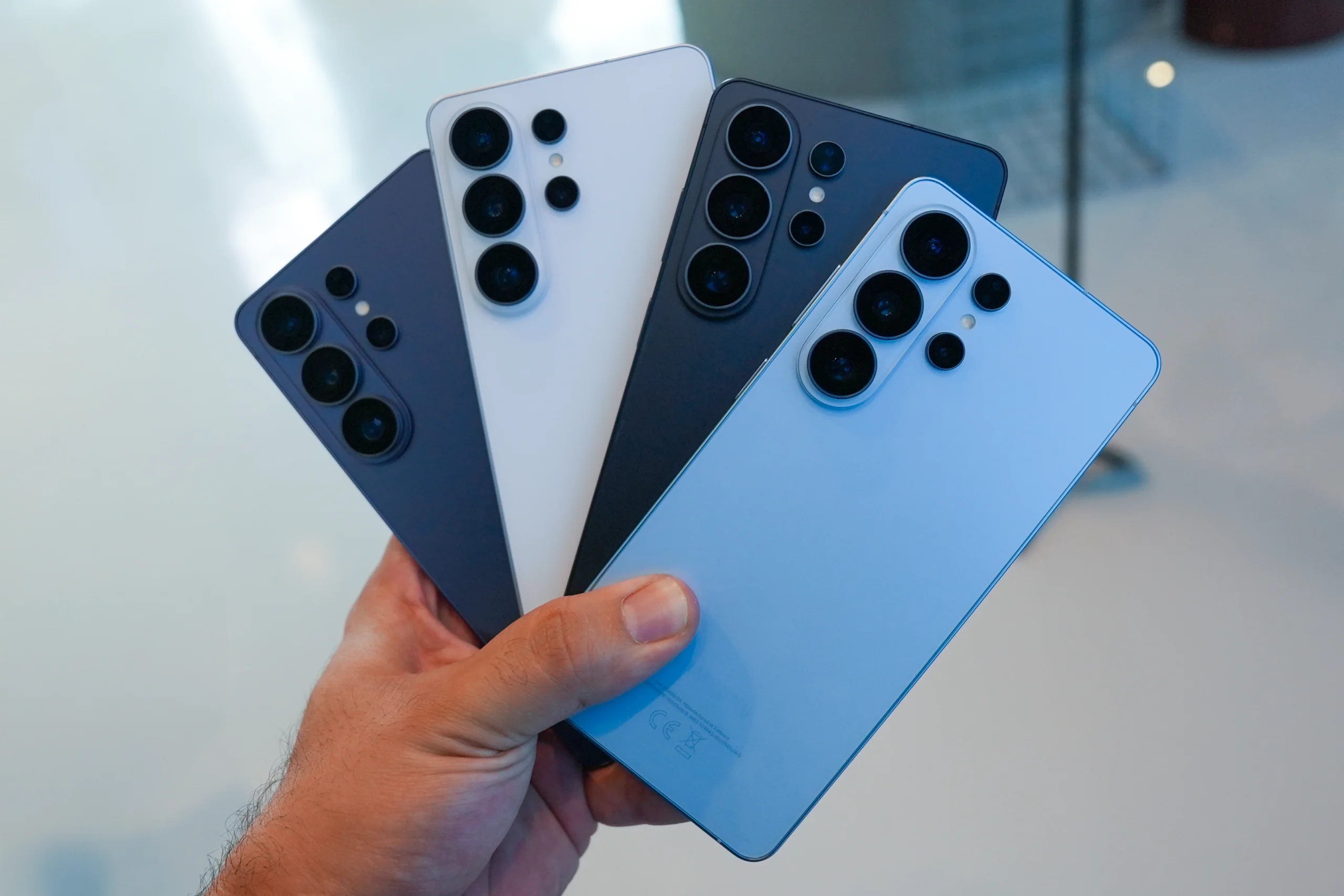
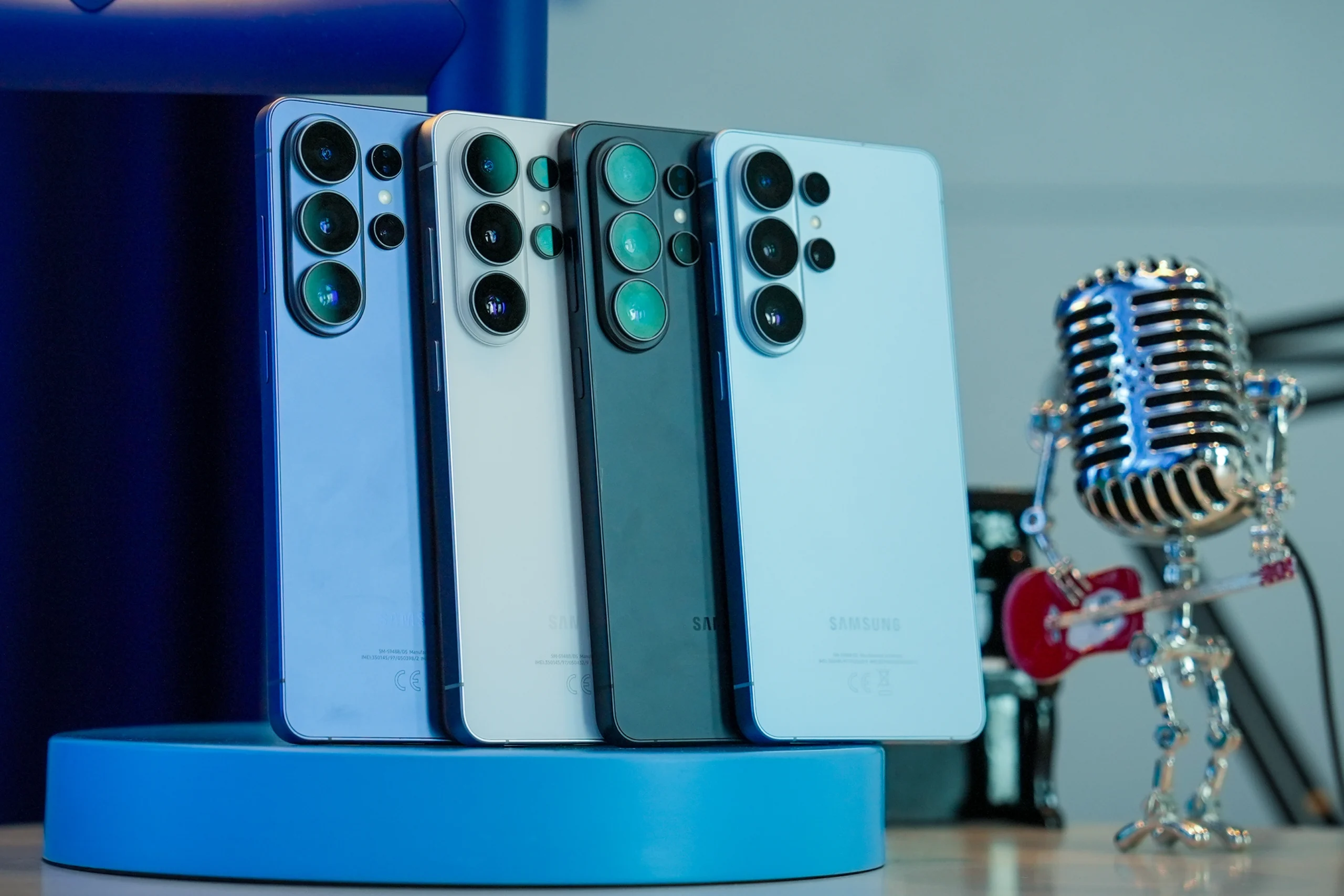
During the roundtable, Samsung executives addressed a recurring industry question: if the company has a 200MP sensor, why not apply it to every lens, especially telephoto lenses?
Samsung leaders emphasized that the barometer for sensor resolution is not only technological capability but also real-world value. Samsung is deliberately resisting the temptation to inflate specs where they don’t translate into clear experiential gains. Instead, the company appears focused on maintaining optical balance and system efficiency rather than headline-driven upgrades.
This philosophy also extends to camera tuning. Moon explained that the goal is for every capture to be “true to life,” while also enabling a full end-to-end experience, from capture to editing to sharing.
Privacy on the hardware level
Even though it has many upgrades and new features, the most significant upgrade in the S26 Ultra may be the display.
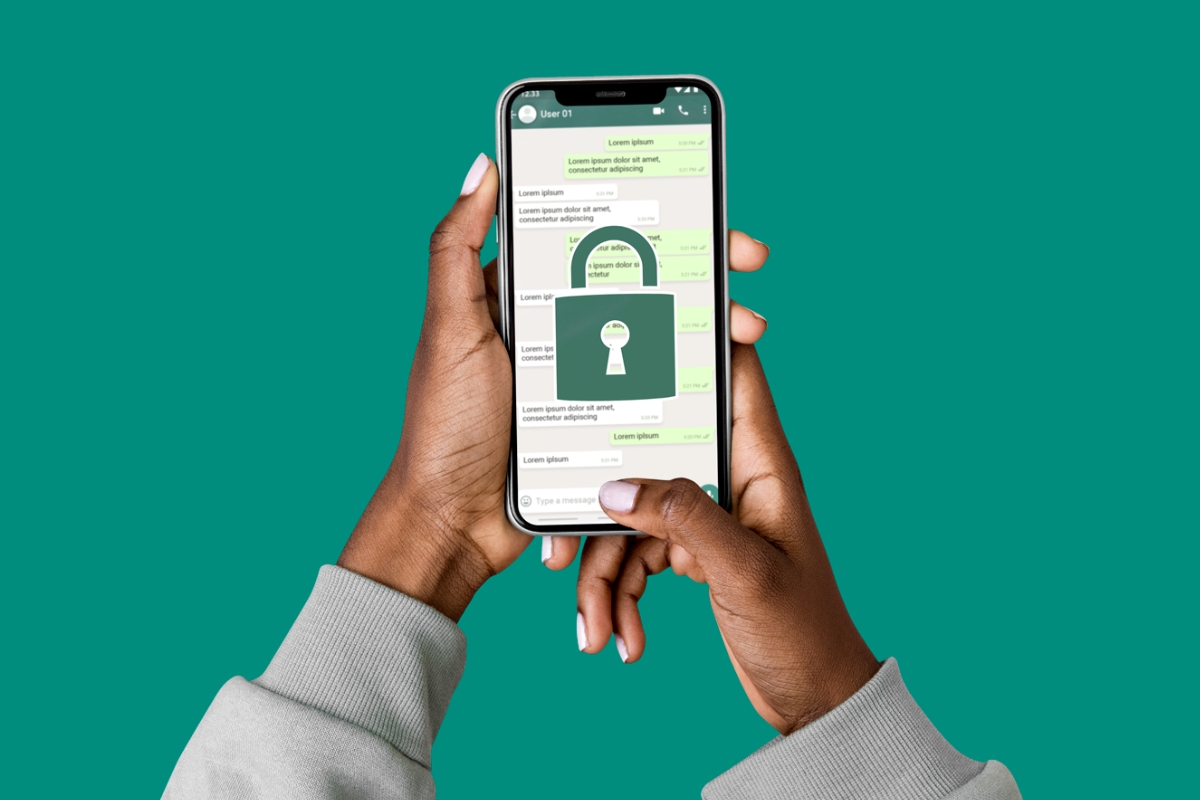
Moon described the Privacy Display as an industry-first pixel-level implementation designed to prevent “shoulder surfing” without compromising image quality. Unlike aftermarket privacy filters that darken screens and degrade clarity, the S26 Ultra uses two types of pixels, narrow and wide, dynamically adjusting visibility angles when privacy mode is activated.
The “Privacy Display” of the S25 Ultra is categorically superior to any other option currently on the market:
- It offers privacy from every angle, not just side-to-side.
- It can be toggled on or off.
- It can be set up to activate in specific apps only (chat and banking apps, for example).
- It can be limited to parts of the screen only (covering password boxes and notification pop-ups)
Samsung isn’t marketing privacy as an accessory, but reframing it as a default expectation, particularly as smartphones increasingly handle banking, authentication, personal messaging, and other sensitive content.
AI performance as a strategic priority
If privacy defines the defensive layer of the S26 strategy, AI defines its offensive layer. Samsung confirmed that the S26 series adopts upgraded chipsets: the Ultra uses the Snapdragon 8 Elite Gen 5 for Galaxy, and the base and Plus models use the Exynos 2600 SoC, the first chipset built on a 2nm platform.
These upgrades aren’t incremental boosts; they signal Samsung’s intent to anchor AI processing on-device. Executives repeatedly emphasized that chipset selection undergoes rigorous evaluation, with customer experience as the priority.
The new lineup is filled to the brim with AI features ranging from Photo Assist, allowing users to edit images using natural language, to innovative features like AI call screening and “Now Nudge” intuitively pushing relevant content to the user’s fingertips.
Battery and Design: Measured, Not Maximal
Even in areas where competitors are aggressively escalating numbers, Samsung is taking a measured stance. The 5,000 mAh battery remains because internal data and usage analysis suggest it is sufficient for the vast majority of users for a full day. The company leaders indicated readiness to increase capacity if and when customer data truly demands it, but not as a mere number competition.
Samsung appears unwilling to compromise design integrity or internal architecture simply to match feature trends unless those trends align with broader usability goals.
The larger shift
The Galaxy S26 series represents more than a routine cycle of hardware refinement. In briefings around the launch, Samsung leaders made it clear that the company’s next phase of innovation is centered on breakthroughs designed to “solidify leadership in the AI era.” That ambition reshapes how the S26 should be understood.
Furthermore, privacy is no longer treated as an afterthought but is embedded directly into the hardware architecture. AI is optimized to run on-device, reducing dependence on external processing. Performance is engineered for sustained, real-world reliability rather than short-lived benchmark peaks. And specifications themselves are measured against tangible user value, not competitive pressure or headline optics.
In a market long driven by numerical escalation — more megapixels, faster clock speeds, larger batteries — Samsung’s S26 strategy suggests a more deliberate, mature philosophy of flagship design. The company is not trying to be louder, but rather to be more deliberate in how it designs its smartphones and features. And increasingly, it is about how thoughtfully engineered hardware can enable intelligence that feels seamless, secure, and almost invisible to the user.