Airports in the UAE are using AI to adapt to passenger growth
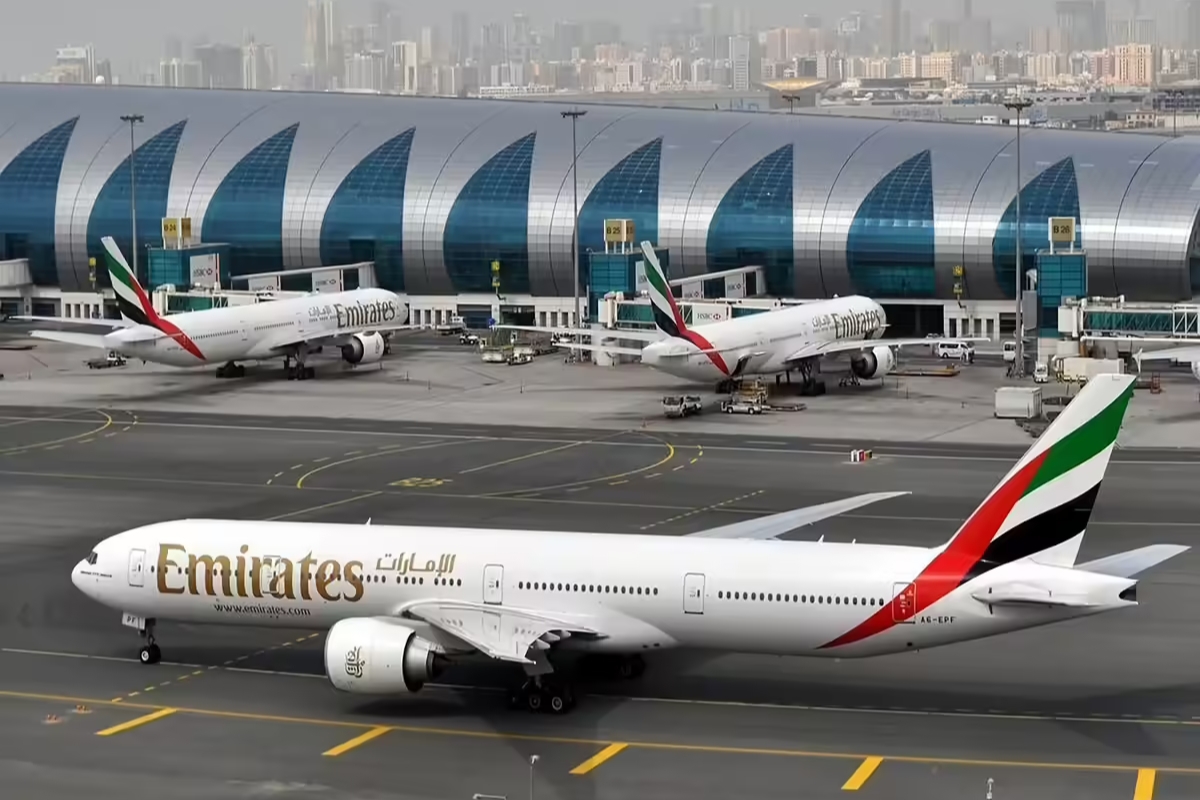
Airports across the UAE are increasingly adopting artificial intelligence to reduce costs, improve efficiency, and reduce delays as passenger numbers continue to rise and expectations rise with them. The rollout plans are impressive, but experts warn that fragmented legacy systems could slow large-scale adoption.
In November 2025, Dubai Airports Company announced plans to introduce an AI-powered aircraft turnaround solution at Dubai International Airport (DXB) in partnership with “Assaia”. The system is designed to expedite aircraft movement on the ground. It is already deployed at major global hubs, including airports in New York, Rome, and Seattle.
In a similar move, Abu Dhabi Airports signed an agreement with technology provider SITA to explore developing an AI-driven airport management platform at Zayed International Airport. The system aims to anticipate operational disruptions and optimize the use of airport resources.
Another growing use of AI is fast-tracking airport check-ins. Dubai Airports was one of the first to introduce the “red carpet corridor” in September 2025. This corridor enables passengers to pass through passport control seamlessly by using AI cameras with face recognition to eliminate friction and deliver a streamlined experience. Later in December 2025, Dubai Airports announced its plans to extend the service to all passengers, starting with Terminal 3 in January 2026.
The push towards AI comes as traffic volumes surge. DXB handled 24 million passengers in the third quarter of 2025, up 2% year on year, while Abu Dhabi Airports processed nearly 16 million passengers in the first half of 2025 across its five airports, a 13% increase compared with the same period in 2024.
One area where AI has already proved effective is in reducing aircraft taxi-in times: the period between landing and arriving at the gate. Long taxi-in times increase fuel burn and contribute to delays.
Challenges still appear, of course, chief among them is AI readiness. Even the most advanced airports still partially rely on outdated systems. Aside from building a new airport with AI built in from the ground up, AI initiatives still face headwinds from a lack of unified data standards and the continued use of legacy infrastructure.
There are also workforce implications. A study by Singapore’s Civil Aviation Authority suggests that up to 30% of aviation jobs could be affected by AI, digitalization, and sustainability initiatives within five years. Roles such as baggage handling may be automated, while airlines like Germany’s Lufthansa have already announced significant administrative job cuts linked to AI and automation.
The UAE has an advantage in adopting AI. The nation has been a leader in adopting AI regulations and implementing AI initiatives, and airports will surely benefit from that. The positive thing for now is that the AI rollout appears gradual and not forced, reducing the risk of operational disruption.