AI demand brings back the market for 2-decade old DDR3 RAM moduls
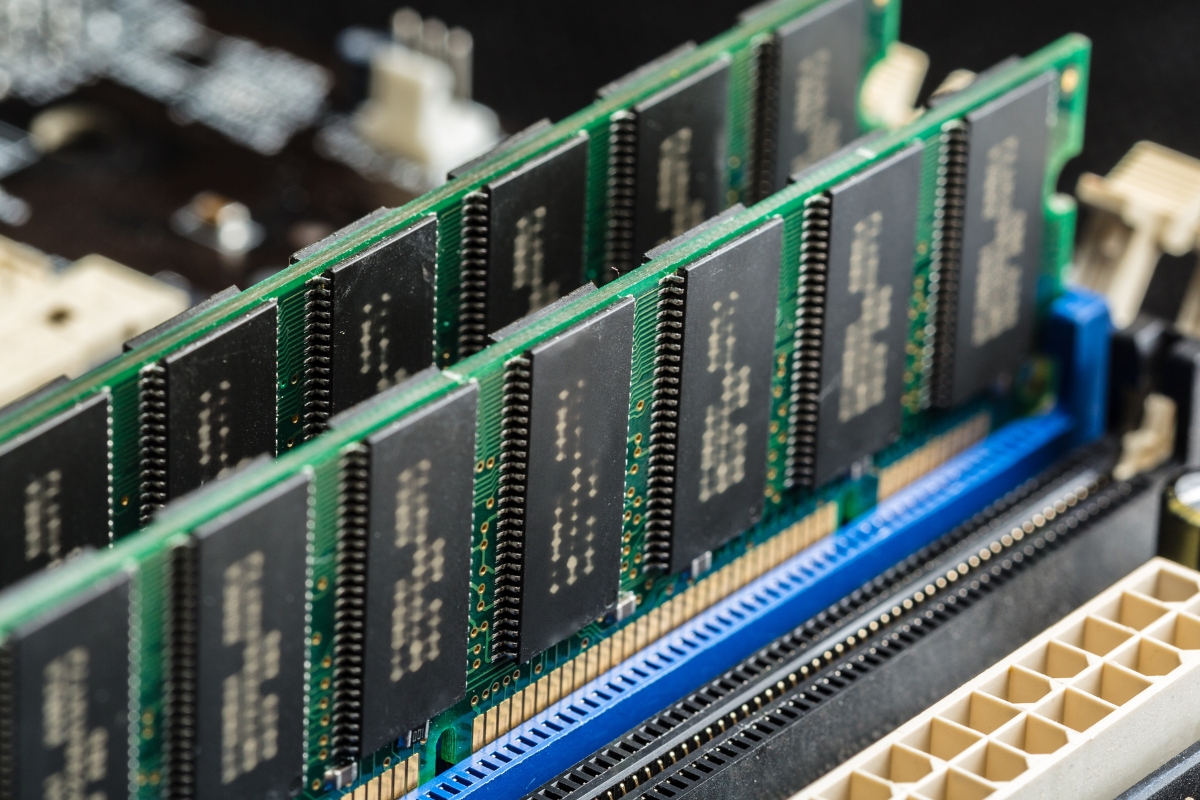
It has been almost two decades since DDR3 RAM modules debuted in 2007. But now, in 2026, the outdated chips are making a comeback thanks to AI’s insatiable demand for computing resources.
Recent reports from China indicate a resurgence in demand for DDR3-era motherboards and RAM modules, with some manufacturers modifying newer motherboards to support DDR3 RAM.
A post on the China-based PC hardware forum Board Channels says that buyers seeking relatively affordable workstations with large memory capacities are turning to aging Intel X99 HEDT motherboards paired with DDR3 RAM. Although X99 boards were originally designed to support DDR4, Chinese vendors are said to be offering modified versions that support both non-ECC and ECC DDR3 memory.
Standard X99 motherboards officially support up to 128GB of quad-channel DDR4 memory, but online marketplaces are now listing several models that claim support for up to 256GB of DDR3 RAM across eight channels. These motherboards and memory kits are often sold in bundles alongside Intel 6th- through 9th-generation Core processors.
According to the report, demand for DDR3-compatible motherboards increased by 100-200% last year, largely driven by soaring DDR5 prices.
The reason for this resurgence is primarily economic. Recently, demand from data centers has significantly affected the memory market. Many RAM manufacturers are focusing more on the lucrative data center RAM business, thereby neglecting the consumer market, which tends to have lower margins.
This dynamic led to DDR5 RAM shortage, pushing the prices significantly higher. Data from PC Part Picker shows prices rising up to 300% since last summer. Of course, the newer DDR5 modules are the most affected, but even DDR4 modules have seen 3-digit price increases, pushing budget-conscious consumers toward cheaper, older DDR3 chips.
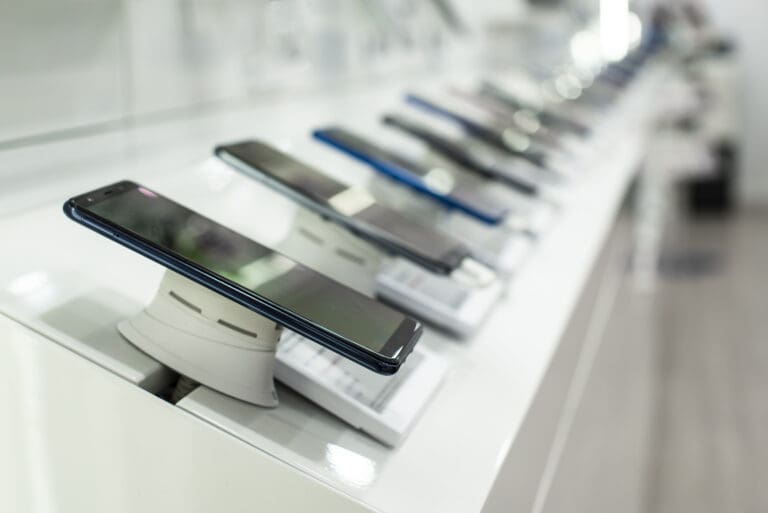
The ongoing memory crunch has raised fears of a subsequent rise in computer and even smartphone prices. Usually, RAM accounts for only a small percentage of manufacturing costs for these products, but with rising prices, it’s expected that newer models will come with smaller memory sizes or that the higher costs will be passed on to consumers through price hikes.