The Road to 6G Runs Through the Gulf: An Exclusive Interview on MENA’s Digital Transformation
The future of MENA’s telecommunications landscape is being forged at the intersection of 5G, AI, and cloud infrastructure. As the region lays the digital groundwork for the next decade, the industry is pivoting toward smarter, programmable networks tailored to enterprise needs—a transformation that reinforces the GCC’s ambition to evolve into a global hub for the digital economy.
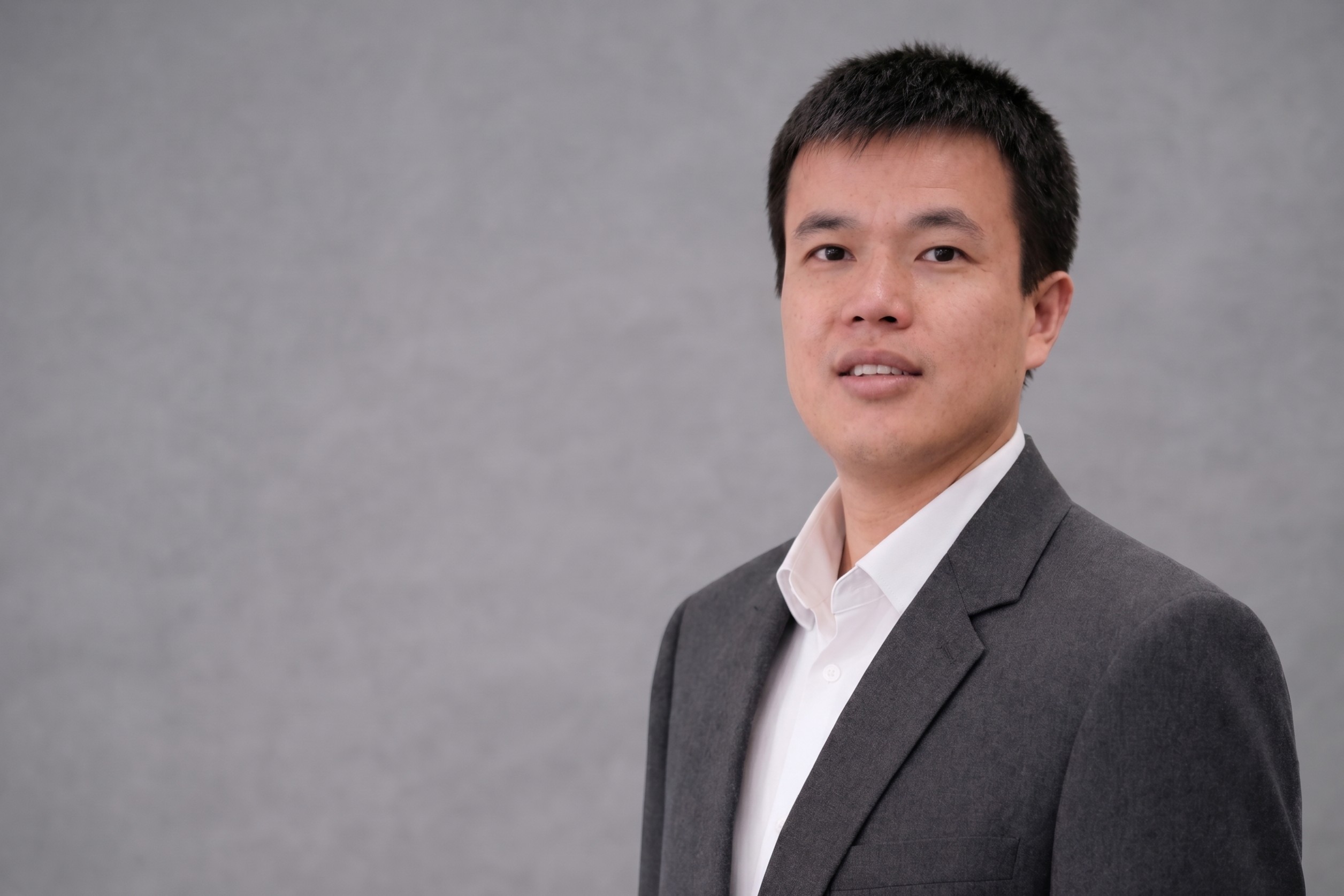
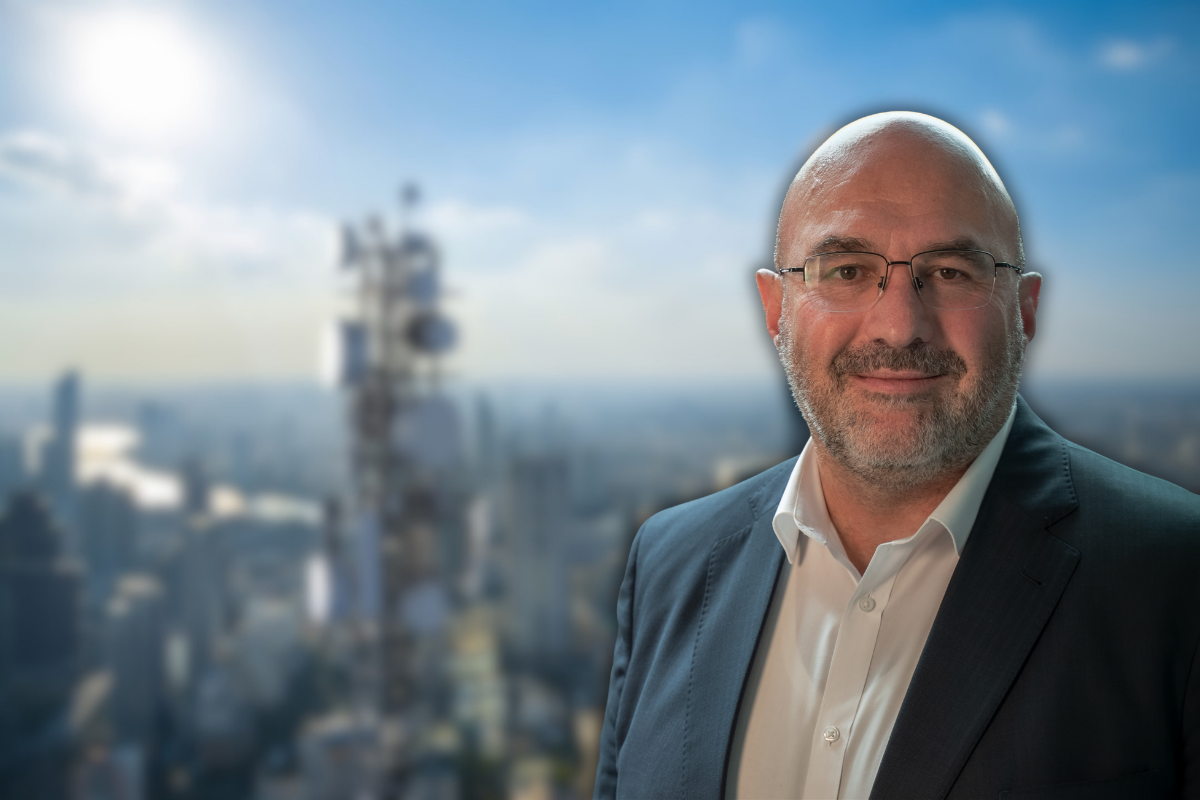
We recently had the chance to meet with Jawad Abbassi, Head of GSMA MENA, to discuss the current state of 5G across the region. In this interview, he highlights how the MENA market is outpacing global counterparts in key digital sectors and offers an expert outlook on the expected timeline for commercial 6G deployment.
How would you assess the current state of 5G deployment across the MENA region? Which countries are leading in terms of coverage, use cases, and commercial impact?
5G in MENA is no longer a future prospect, it is now an established market reality particularly across the GCC. What has changed over the last few years is that the conversation has become much more advanced. It is no longer just about who has launched 5G or who covers the largest share of the population. The real question now is: where is 5G creating value, enabling new services, and starting to reshape the digital economy?
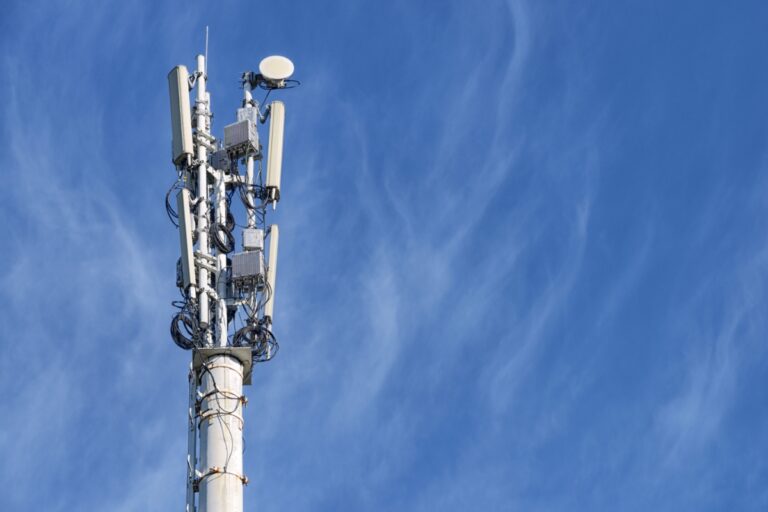
That is where the Gulf stands out. The UAE, Saudi Arabia, Qatar, Bahrain & Kuwait have all built strong momentum and are now among the most advanced 5G markets globally. We are seeing continued progress in rollout, early 5G standalone deployments, and growing interest in the next phase, including 5G-Advanced and RedCap. This is vital because the conversation now is about building networks that are smarter, more programmable and better connected to cloud, AI and enterprise demand. That proves that the region is not simply following the global roadmap; in some areas, it is helping to shape what comes next.
What is also encouraging is that 5G is starting to deliver in commercially meaningful areas. Fixed wireless access has been an important early success, but the story is widening. We are seeing more traction in enterprise connectivity, logistics, industrial use cases, smart city programmes and digital public services. And where 5G is linked to bigger national priorities, such as AI, cloud, data centres, digital transformation, the overall impact is naturally much stronger.
Which industries in the region show the strongest adoption of connected technologies today, and where do you see the greatest untapped potential?
The strongest adoption of connected technologies is happening in sectors where there is already a clear push for transformation. In MENA that includes government services, logistics, energy, finance, manufacturing and smart cities. In many of these connected technologies have gone beyond the experimental phase are becoming embedded in operational models.
This is particularly visible in the Gulf, where connectivity, cloud, AI and IoT are starting to come together in a much more practical way. Ports, transport networks, utilities, oil and gas operations, and large urban development projects are all becoming more connected, more data-driven and more automated.
But for me, the most exciting potential lies in SMEs, healthcare, education and broader digital inclusion across the wider region. That is likely where the next big leap could come from. MENA has made huge progress on coverage, but coverage alone is not the finish line. The real opportunity is turning connectivity into meaningful participation in digital economy, so that more individuals, smaller businesses and underserved communities can actually access its benefits.
In which areas do you believe the MENA region is currently outpacing other global markets in mobile and digital innovation?
There are a few areas where parts of the MENA region, particularly the GCC, are moving faster than many global markets.
The first, of course, is advanced connectivity. The Gulf has made rapid progress on 5G, and in some markets the combination of rollout speed, ambition and policy support is impressive. The challenge goes beyond rapid network deployment to include early migration to standalone 5G, preparing for 5G-Advanced, and a stronger focus on value creation.
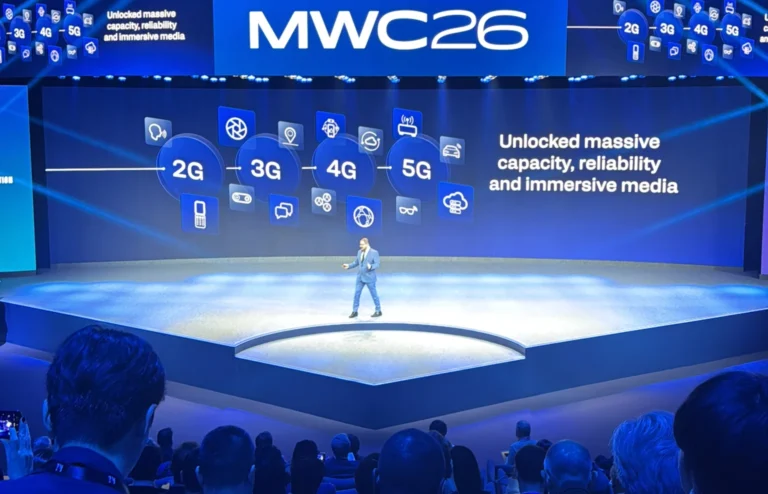
A second area is AI infrastructure. Across the Gulf, there is a visible sense of urgency around building the digital foundations for the next decade, including data centres, cloud capacity, subsea and terrestrial connectivity, advanced compute, and AI partnerships. This shows the region’s desire to be a place where digital growth is built, hosted and scaled. That feels especially timely after MWC26 Barcelona, where GSMA launched Open Telco AI, a new initiative to accelerate telco-grade AI.
And then there is the government-led transformation model. In several MENA markets, when a direction is set, things can move quickly because strategy, regulation, investment and execution are often strongly aligned – which can be a real advantage.
Do you think geopolitical tensions could hinder the advancement of communication networks in the region?
While we acknowledge that geopolitical factors can influence global technology landscapes, our focus at the GSMA remains on facilitating open dialogue, industry standards, and policy frameworks that drive digital transformation for all.
Communications networks are part of critical national infrastructure, they are essential for economic continuity, public safety, access to information, financial services and emergency response. Across the region, we have seen this translating into stronger focus on network redundancy, subsea cable diversification, terrestrial route alternatives, cybersecurity, business continuity planning and infrastructure protection.
During this MWC, 6G was mentioned multiple times. Could you share more details on the next generation of mobile communications and the expected rollout timeframe?
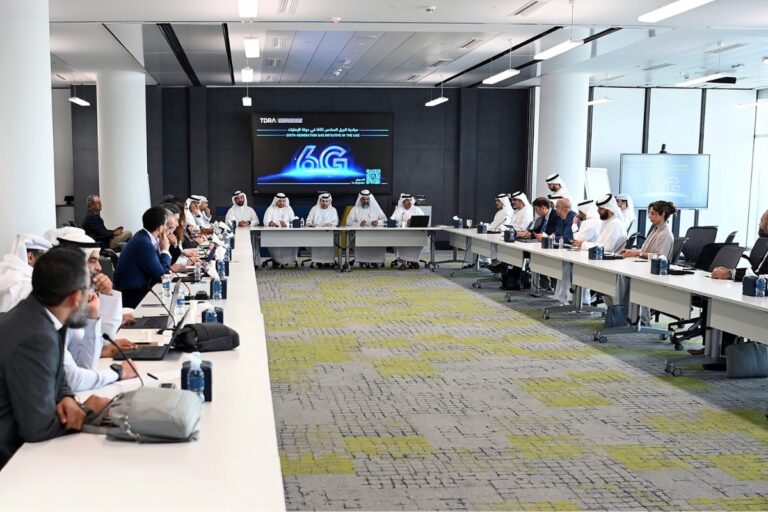
What makes 6G significant is that it is not expected to be just another increase in speed. The bigger story is that it is expected to support a far more intelligent and responsive network environment, and that broader shift was already coming through in conversations at MWC26 Barcelona, including around AI, non-terrestrial networks and direct-to-device. It is a future shaped by AI-native capabilities, sensing, automation, immersive services, ultra-high capacity and much tighter integration between physical and digital systems. Those themes are already influencing the wider industry conversation about the future of connectivity.
In terms of timing, commercial deployment is generally expected to begin around 2030. Until then, the industry focus remains on the evolution of 5G, particularly through 5G-Advanced, alongside research, standardisation and spectrum policy. That is why 5G still has a lot of life ahead of it. In many ways, the road to 6G runs directly through 5G-Advanced.
How do you imagine the convergence of traditional wireless telecommunication technology and the upcoming space-based options?
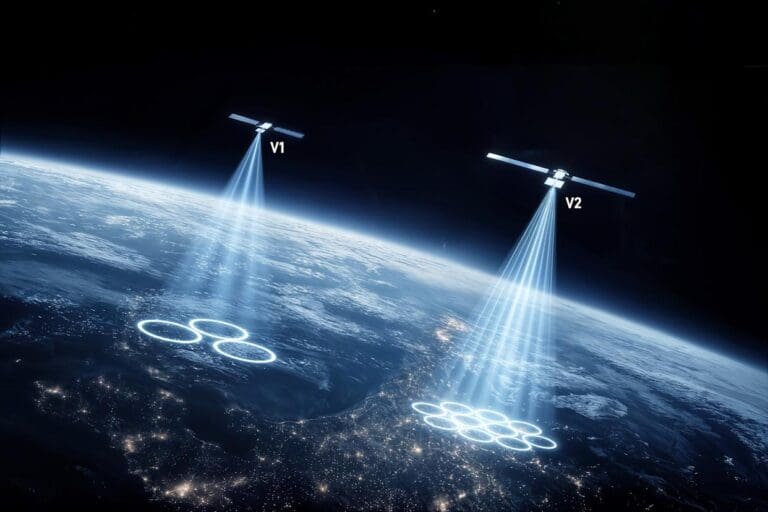
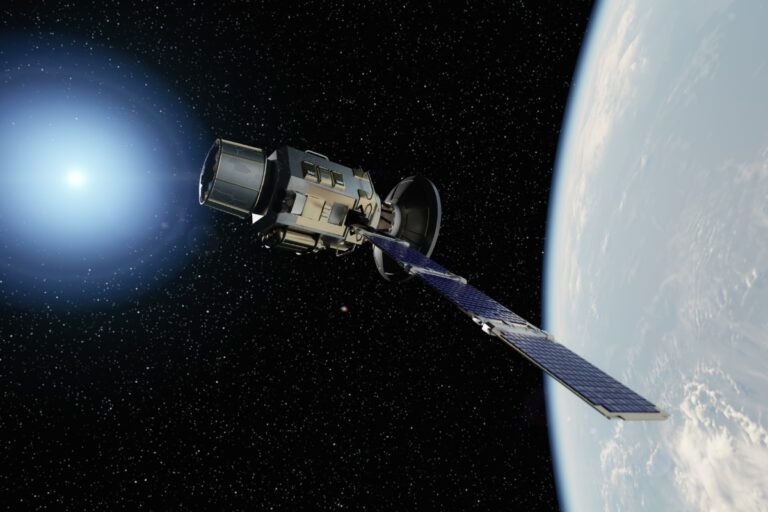
We are moving towards a more integrated connectivity model, where terrestrial and space-based networks can work together to extend coverage and strengthen resilience. That was very visible at MWC26 Barcelona, where non-terrestrial networks, satellite connectivity and direct-to-device were no longer niche side topics, they were part of the mainstream innovation conversation.
Terrestrial networks will remain the backbone of connectivity, but satellite and other non-terrestrial options will start to play an increasingly important complementary role, especially in remote areas or where resilience is critical.
For users, the goal is simple: seamless connectivity, without needing to think about which network is delivering it. For a region like MENA, with vast geographies and strategic transport routes, that convergence could be especially valuable.