Google cuts Play Store commission to 20%, lowers subscription fees further
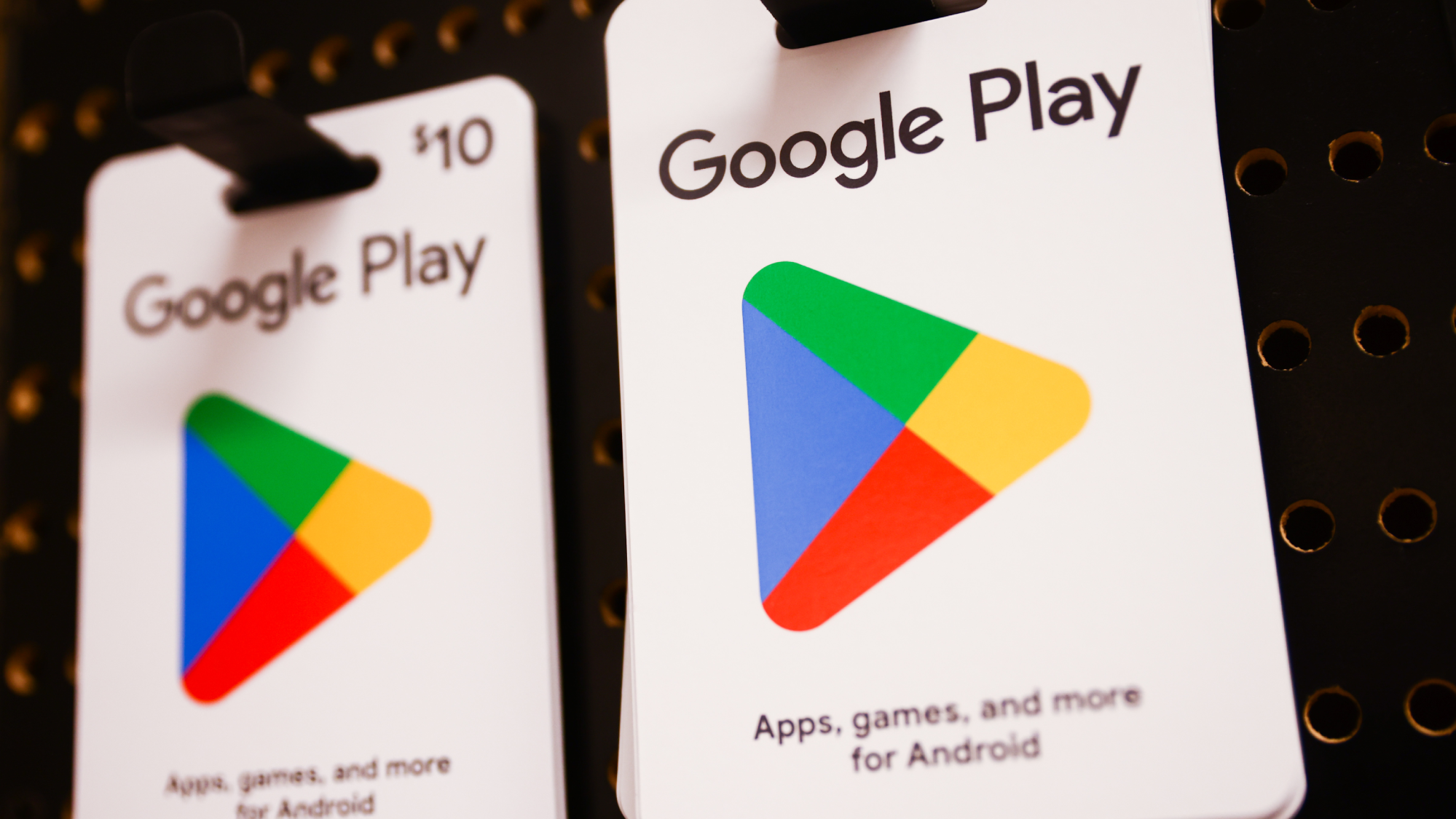
Google has unveiled a sweeping set of developer policy changes that significantly alter how fees, billing systems, and third-party app stores operate on Android. The reforms reduce the company’s traditional 30% Play Store commission and expand developers’ ability to distribute apps and process payments.
At the center of the changes is a revised fee structure. Google will lower its standard Play Store commission from 30% to 20% for most transactions. Developers who participate in the new App Experience program or are enrolled in the updated Google Play Games Level Up program for mobile titles could see fees further reduced to 15% on new installs. Subscription revenue will be taxed even less, with Google keeping only 10%.
These rates apply when developers continue using Google’s billing system. However, the company is also adapting to new regulatory realities in major markets. In the United States, the United Kingdom, and the European Economic Area, developers who still rely on Google’s billing tools will pay only a 5% service fee, while other regions may see different “market-specific” rates.
The policy shift follows Google’s 2025 antitrust settlement with Epic Games. Rather than waiting for the final outcome of the legal process, Google is implementing many of the changes outlined during the dispute. Developers will now be allowed to incorporate alternative billing options inside their apps or direct users to external payment portals.
This contrasts with Apple’s approach, which largely limits developers to linking out to external payment pages rather than integrating other systems directly within apps.
The effects are already being felt across the developer ecosystem. Epic Games announced plans to return Fortnite to Google Play globally after previously removing it during its legal battle with the company.
Google is also expanding Android’s support for third-party marketplaces through a new Registered App Stores program. The initiative creates an official pathway for external app stores to operate within Android while adhering to security and quality standards set by Google. Approved stores will receive a streamlined installation process to simplify user downloads.
Although Android will still allow traditional sideloading, Google may tighten the process for installing unverified apps in future updates. Encouraging developers to join the registered system allows Google to promote alternative distribution channels while maintaining oversight of security and platform integrity.
The rollout will occur gradually. The new fee structure will reach the European Economic Area, the UK, and the US by June 30, expand to Australia by September 30, and arrive in Korea and Japan later in the year. A full global rollout is planned for September 2027.