SpaceX to double its data speed by rolling out V2 satellites
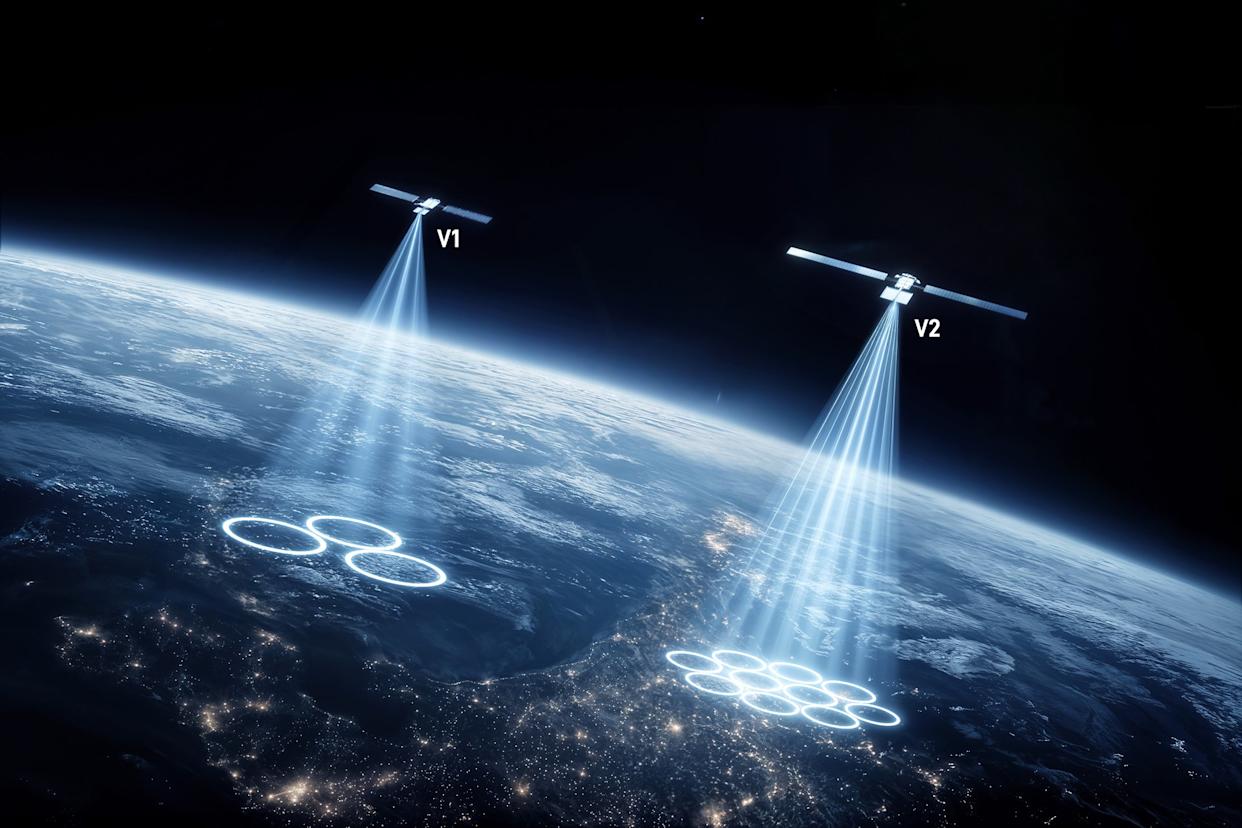
SpaceX is transitioning Starlink to its second-generation satellites (V2), which the company says will dramatically increase network capacity for mobile users. The new satellites are expected to deliver up to 100 times the data density of the original Starlink V1 design, greatly expanding the amount of data that can move through each section of the orbital network.
Alongside this upgrade, SpaceX has rebranded its “Direct to Cell” service as Starlink Mobile. This service allows smartphones to connect directly to Starlink satellites without special hardware, such as satellite dishes.
Starlink Mobile currently operates in 32 countries across six continents, mainly providing connectivity in remote areas and during emergencies where traditional networks are unavailable. At present, the service supports light data usage, such as messaging and basic connectivity, rather than full broadband speeds.
The transition to V2 satellites aims to significantly improve this. SpaceX states that each V2 satellite will provide about 20 times the throughput of first-generation satellites, potentially enabling mobile data speeds of up to around 150 Mbps per user in ideal conditions.
The performance improvements come from custom onboard silicon, phased-array antennas, and the ability to generate thousands of spatial beams, allowing satellites to manage many more simultaneous connections. SpaceX describes the system as moving toward “5G from space.”
The system is designed to work with existing LTE and 5G smartphones by transmitting signals on standard cellular frequencies already supported by regular devices. As a result, hundreds of LTE phone models are expected to be compatible.
This approach relies heavily on partnerships with traditional telecom operators. In the United States, T-Mobile plans to integrate its network with Starlink, allowing phones to switch between ground towers and satellites without losing connection. If successful, this could shift satellite service from being a backup option to part of a continuous hybrid coverage network.
To build the full second-generation constellation, SpaceX plans to launch up to 15,000 V2 satellites, adding to the thousands of first-generation satellites already in low Earth orbit.