Smartphone shipments to take a 13% hit in 2026, budget options hit the hardest
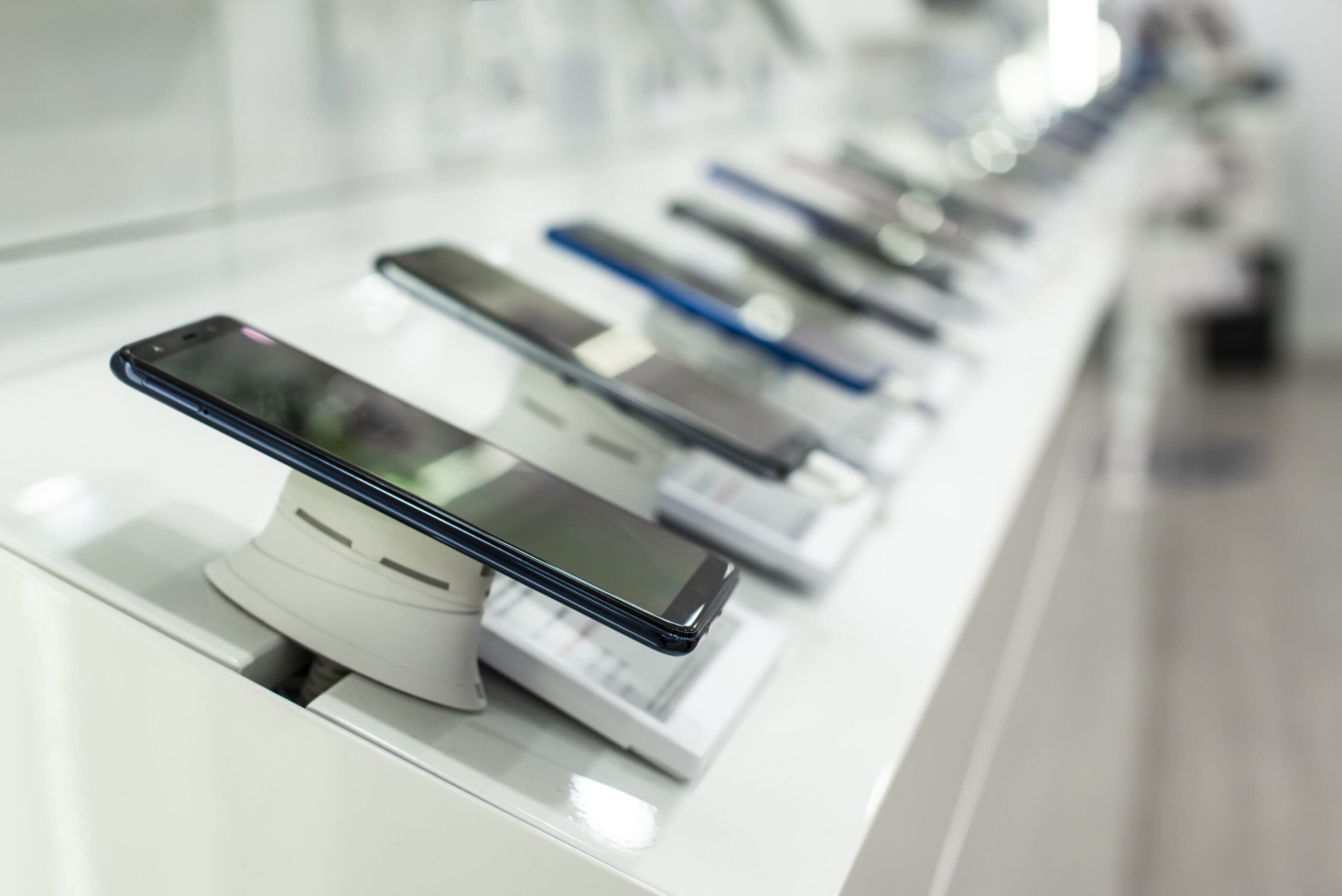
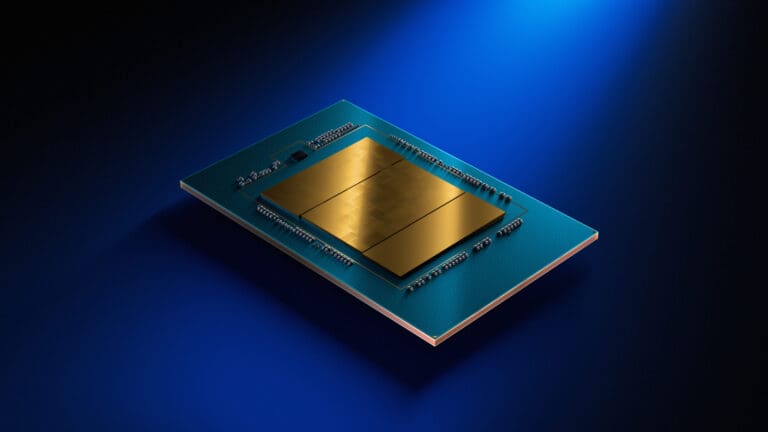
A sharp rise in memory costs, fueled by intense demand from AI-focused data centers, is beginning to weigh heavily on the broader consumer electronics market. As component prices climb, the added expense is flowing through to finished products, making device upgrades and new purchases more costly. With buyers hesitating, the global smartphone market is now forecast to shrink by 12.9% in 2026.
Fresh projections from International Data Corporation (IDC) indicate that worldwide smartphone shipments will reach roughly 1.1 billion units this year, compared with 1.26 billion in 2025. The revised estimate represents a notable downgrade from IDC’s November 2025 outlook, which had anticipated a contraction of 0.9%-5.2%, with the higher figure previously labeled the pessimistic case.
Francisco Jeronimo, IDC Vice President for Worldwide Client Devices, described the supply imbalance as more than a short-term setback. He characterized the situation as a “tsunami-like shock originating in the memory supply chain,” emphasizing that its consequences are spreading throughout the consumer technology sector and are expected to intensify before conditions begin to recover.
IDC’s analysis suggests that entry-level smartphones will bear the brunt of the pressure. Vendors operating in the lower price tiers typically operate on slim profit margins, leaving limited flexibility to offset higher component costs. As a result, those additional costs are likely to be transferred to consumers. Jeronimo cautioned that significant price increases could make it increasingly challenging to compete in highly price-sensitive segments.
Nabila Popal, IDC Senior Research Director, noted that the average selling price of smartphones could climb 14% to $523 in 2026. That increase would likely further suppress demand among cost-conscious consumers and could drive smaller manufacturers out of the market. Although pricing pressures may ease by the middle of 2027, Popal indicated that a return to pre-crisis levels is unlikely, rendering the sub $100 category “permanently uneconomical.”
While smaller vendors are expected to struggle under rising input costs, major brands appear better equipped to absorb the strain. Jeronimo said Apple and Samsung are positioned not only to withstand the downturn but potentially to “expand market share as the competitive landscape tightens.”
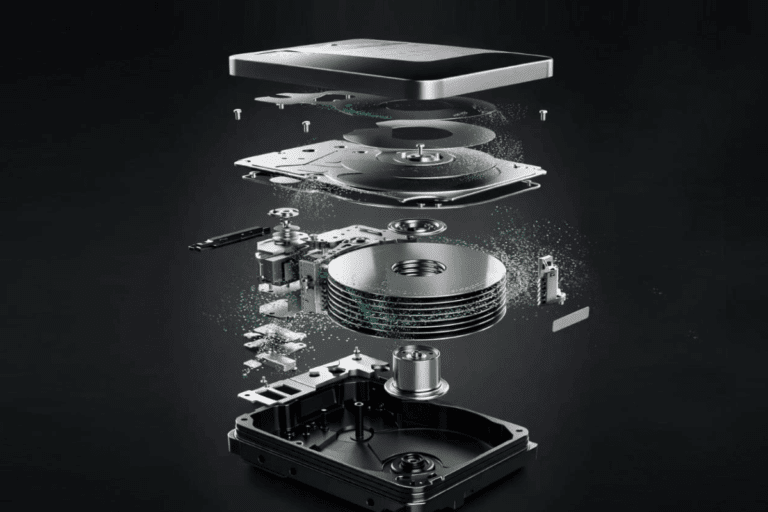
The strain in the memory market is also affecting other hardware categories. Graphics cards, solid-state drives, and traditional hard disk drives have all become more expensive, raising the cost of PC upgrades. The gaming sector is feeling similar pressure. Nintendo’s Switch 2 is widely expected to see a price increase, and Sony is reportedly considering delaying its next PlayStation console until 2028 or 2029 amid supply challenges.