Major self-driving company admits it still rely on remote human drivers sometimes
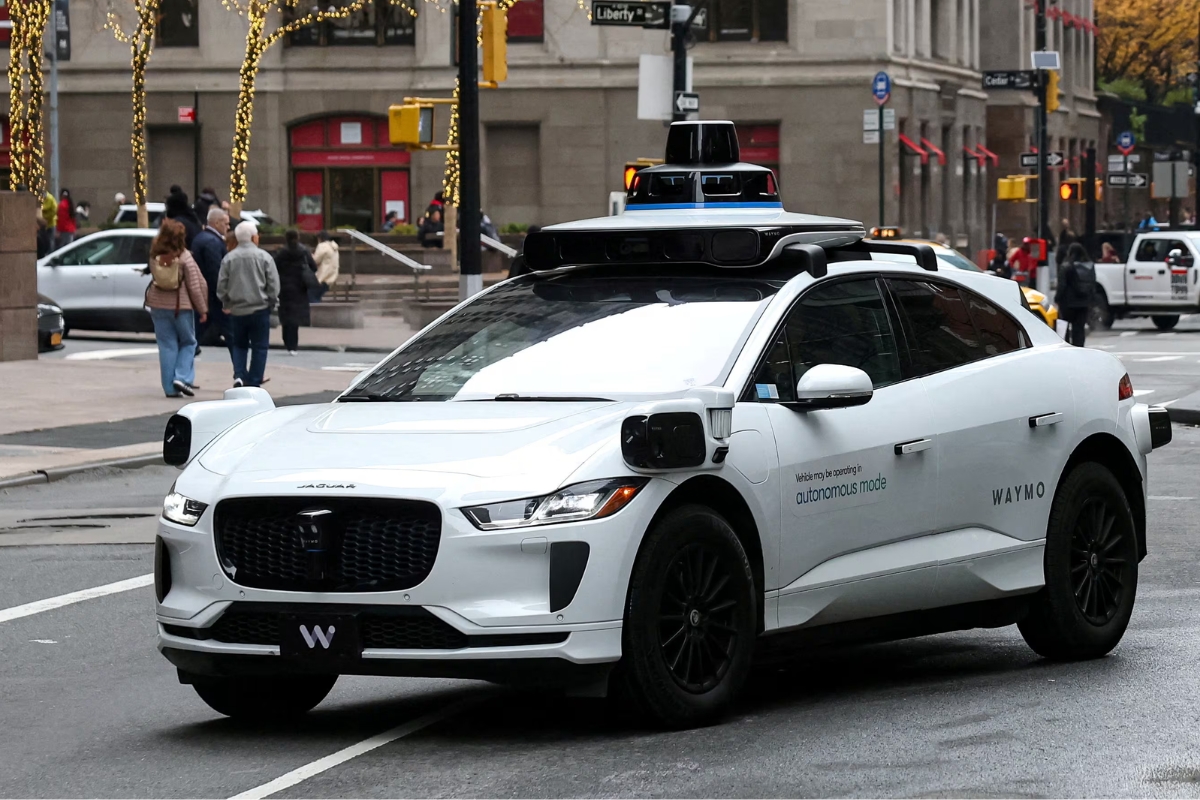
As autonomous vehicles and AI-powered systems become more visible in everyday life, claims of full autonomy continue to face scrutiny. This has surfaced recently during a public hearing, where Waymo disclosed new details about how its robotaxi service operates when automated systems reach their limits.
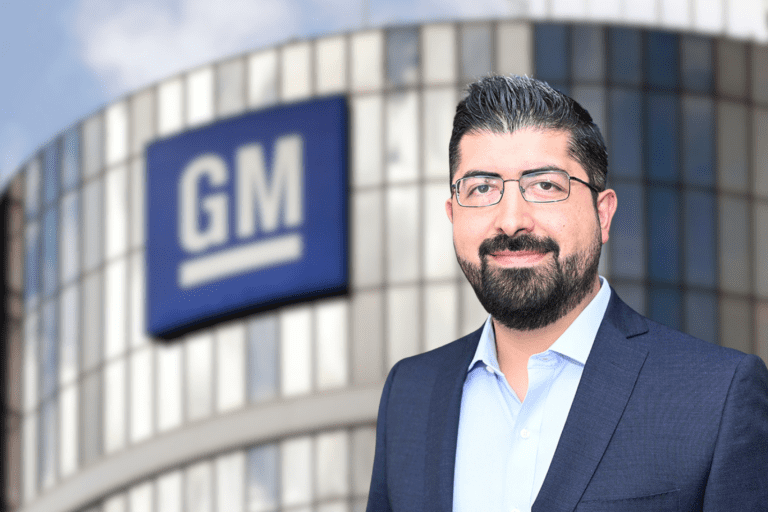
Waymo’s chief safety officer, Mauricio Peña, said the company’s self-driving vehicles are not fully autonomous in all situations. When robotaxis encounter unusual or complex scenarios, control can be transferred to human remote drivers. These operators are distributed across multiple countries, including the United States and the Philippines, and intervene when the system lacks sufficient confidence to proceed safely on its own.
The admission highlights a broader reality across the AI sector: technologies often described as autonomous still rely heavily on human labor working behind the scenes. In Waymo’s case, remote drivers act as a safety backstop, stepping in during edge cases that automated systems are not yet equipped to handle independently. Tesla has made similar acknowledgements, noting that its robotaxis still depend on human monitors inside vehicles.
This reliance on human support is not limited to autonomous driving. Contract labor has been central to AI development and deployment across industries. ChatGPT, for example, depended on a global workforce to help train its large language models, with workers performing tasks such as data labeling and moderation. Other AI-driven services have followed a similar model.
Waymo is widely regarded as a leader in self-driving technology. The Alphabet subsidiary has spent years developing its systems and now operates more than 2,000 vehicles across major cities. While the latest disclosure is not entirely unexpected, it reframes the role of AI in driving and underscores that full autonomy remains a work in progress.