HPE Leaders on simplifying cloud, scaling AI, and data sovereignty
As AI adoption accelerates across governments and enterprises, organizations are grappling with a new set of challenges: cloud complexity, rising costs, regulatory pressures, and data sovereignty requirements. Hybrid cloud has emerged as a possible solution, but only when it is intentionally designed.
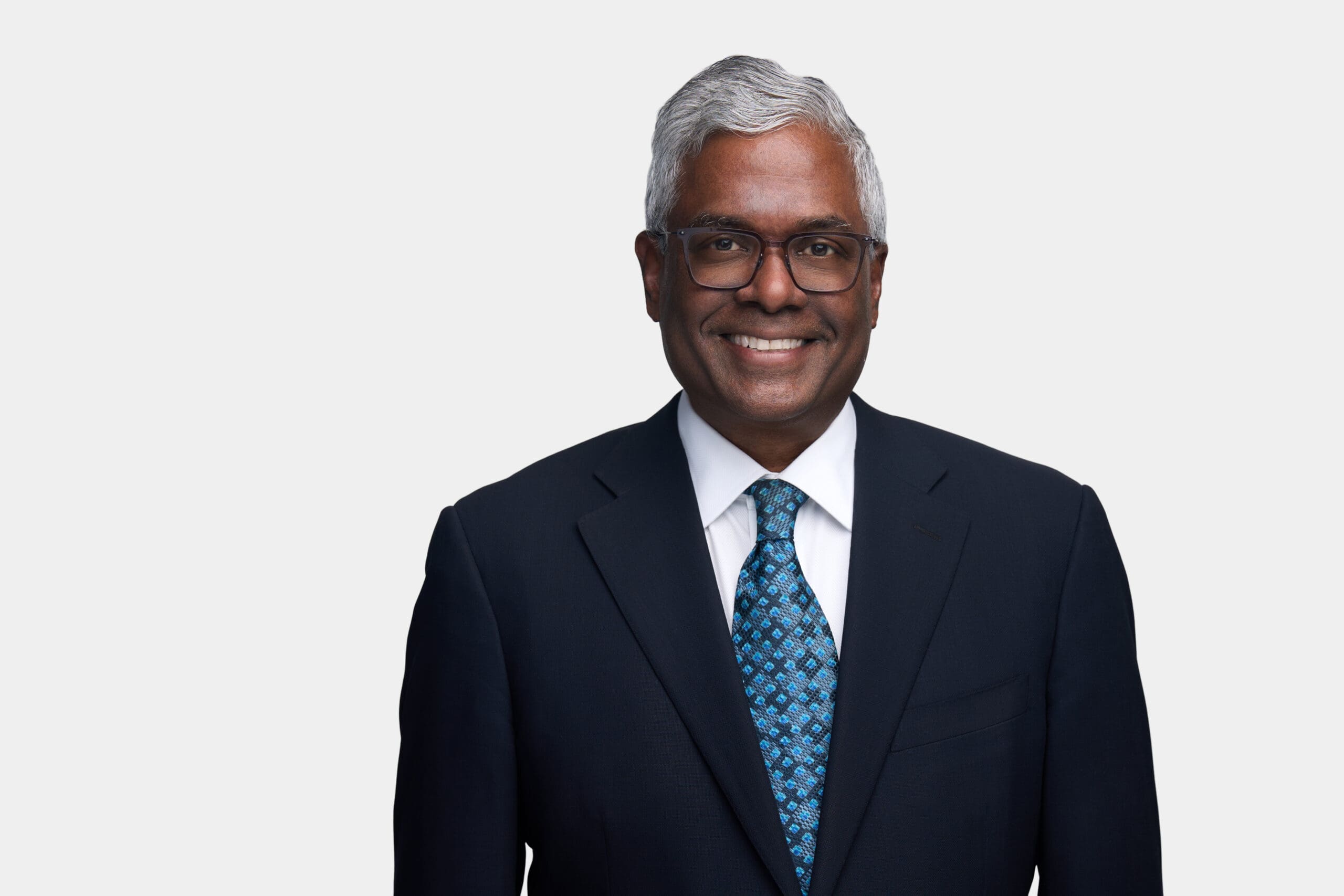
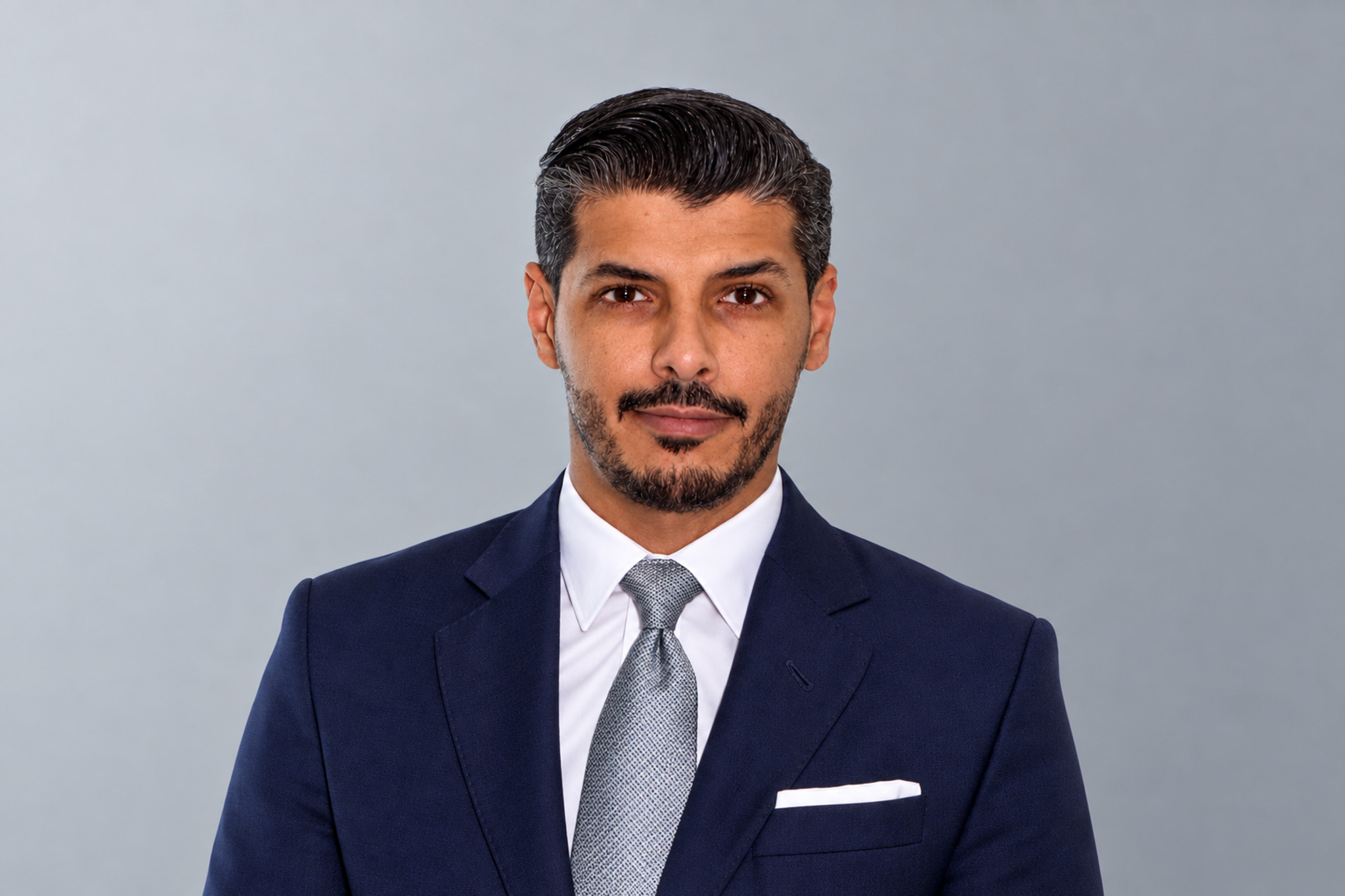
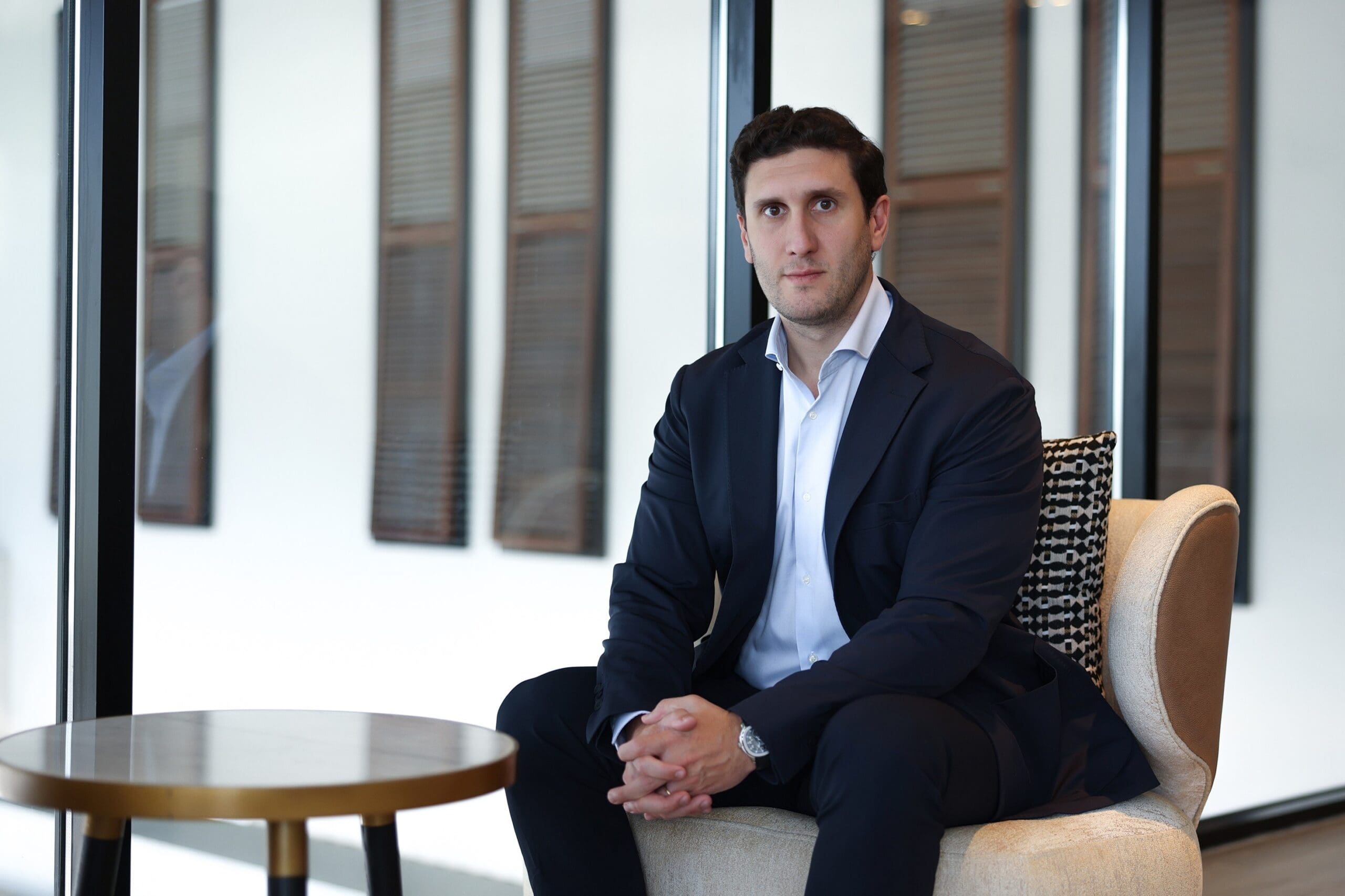
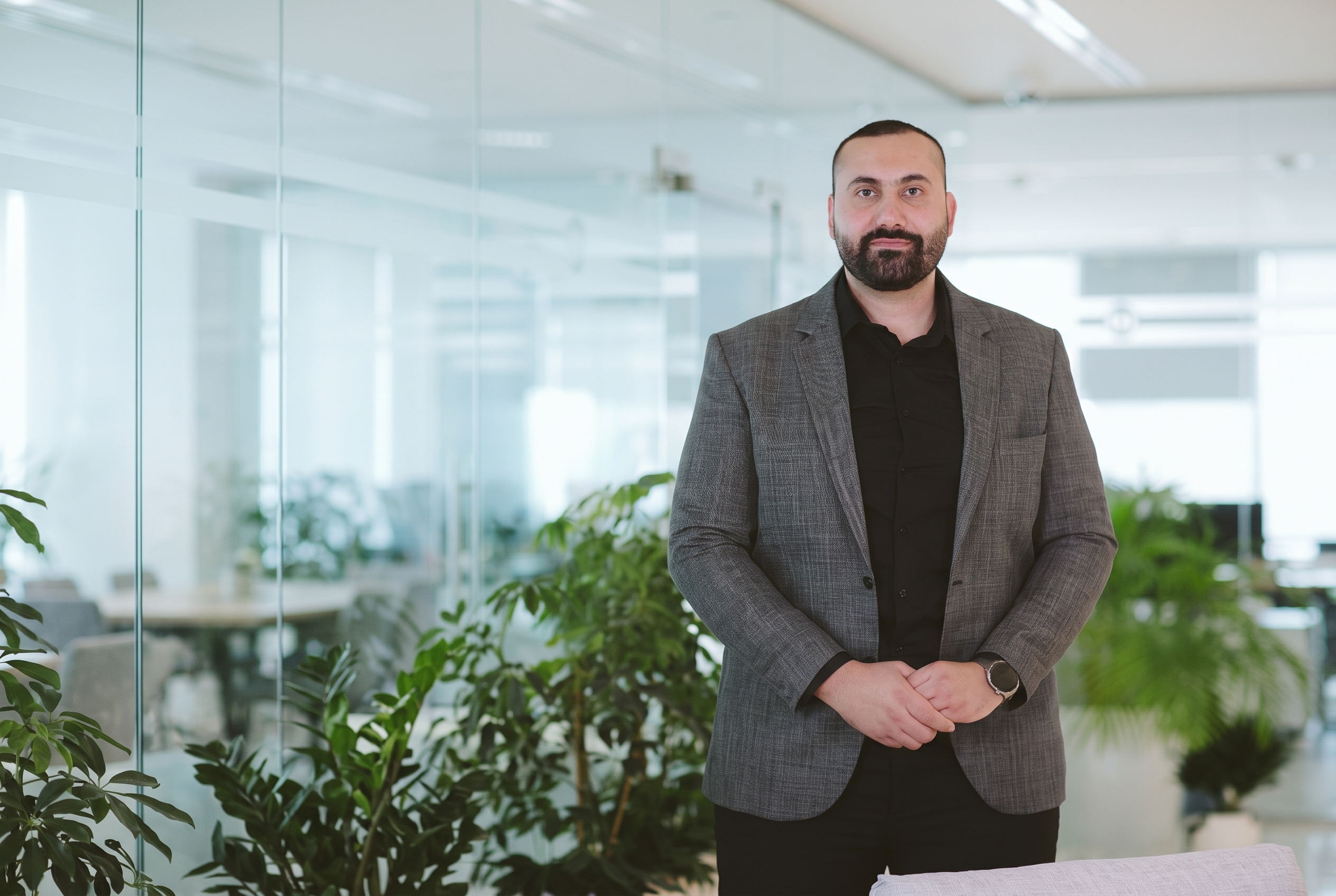
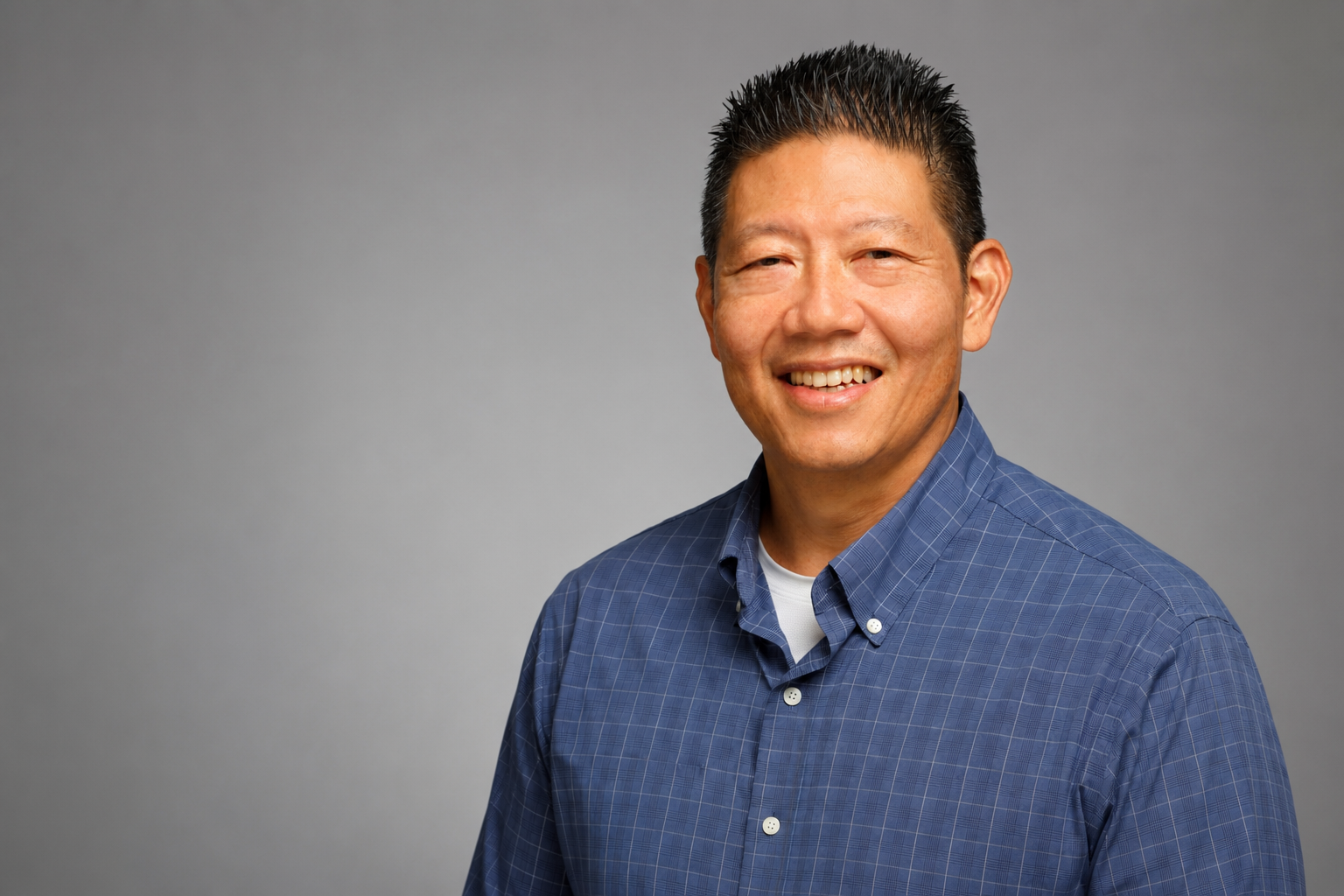
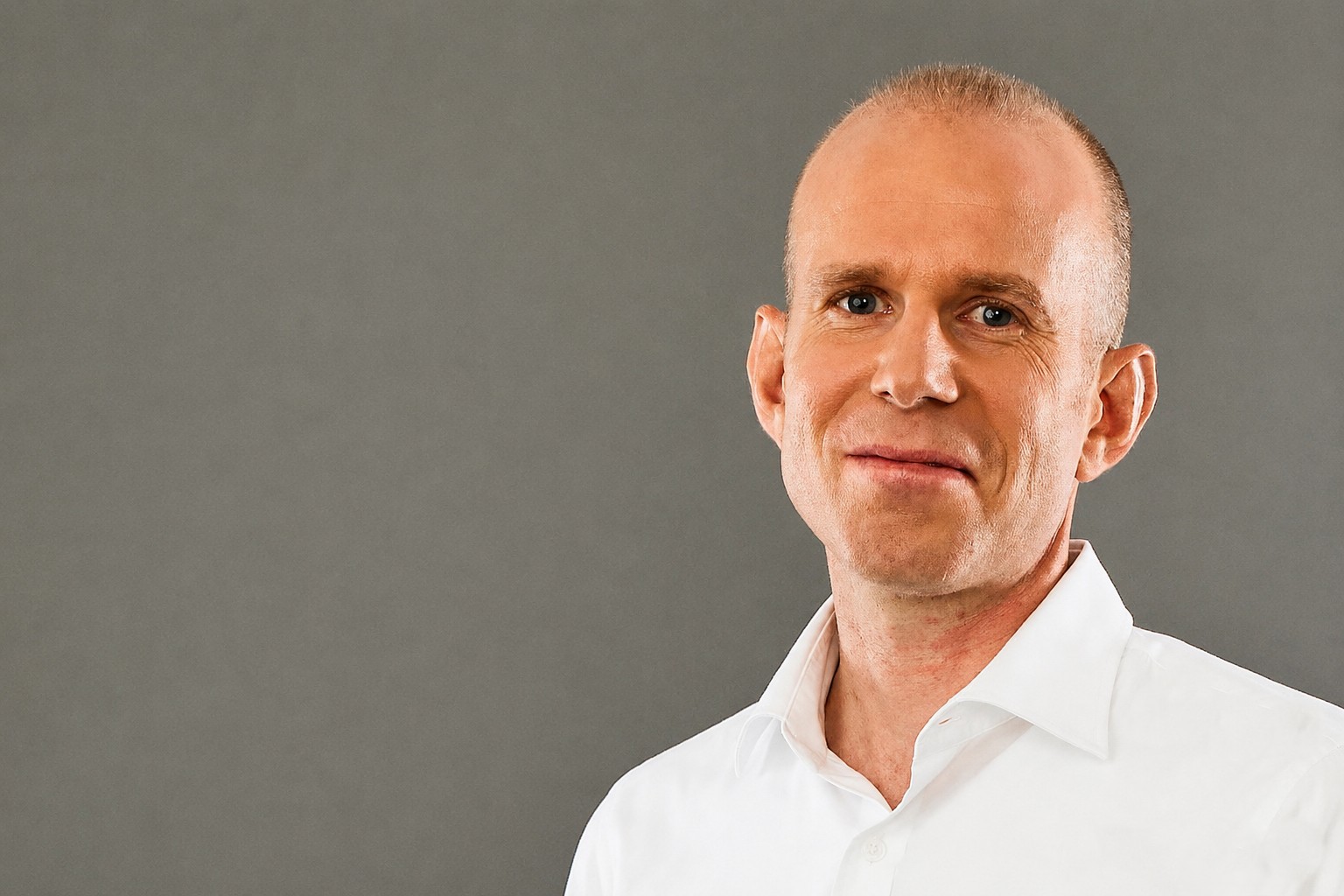
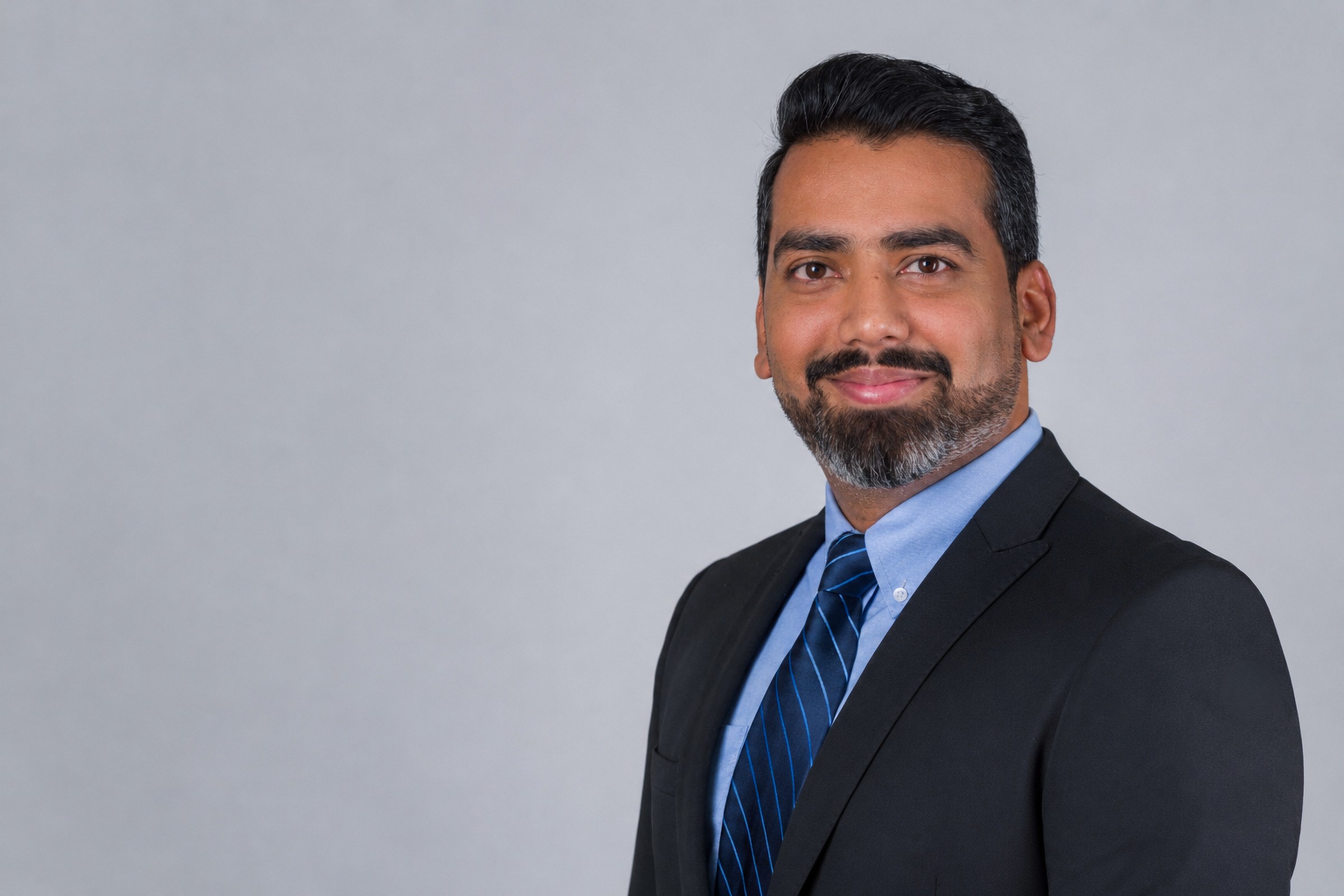
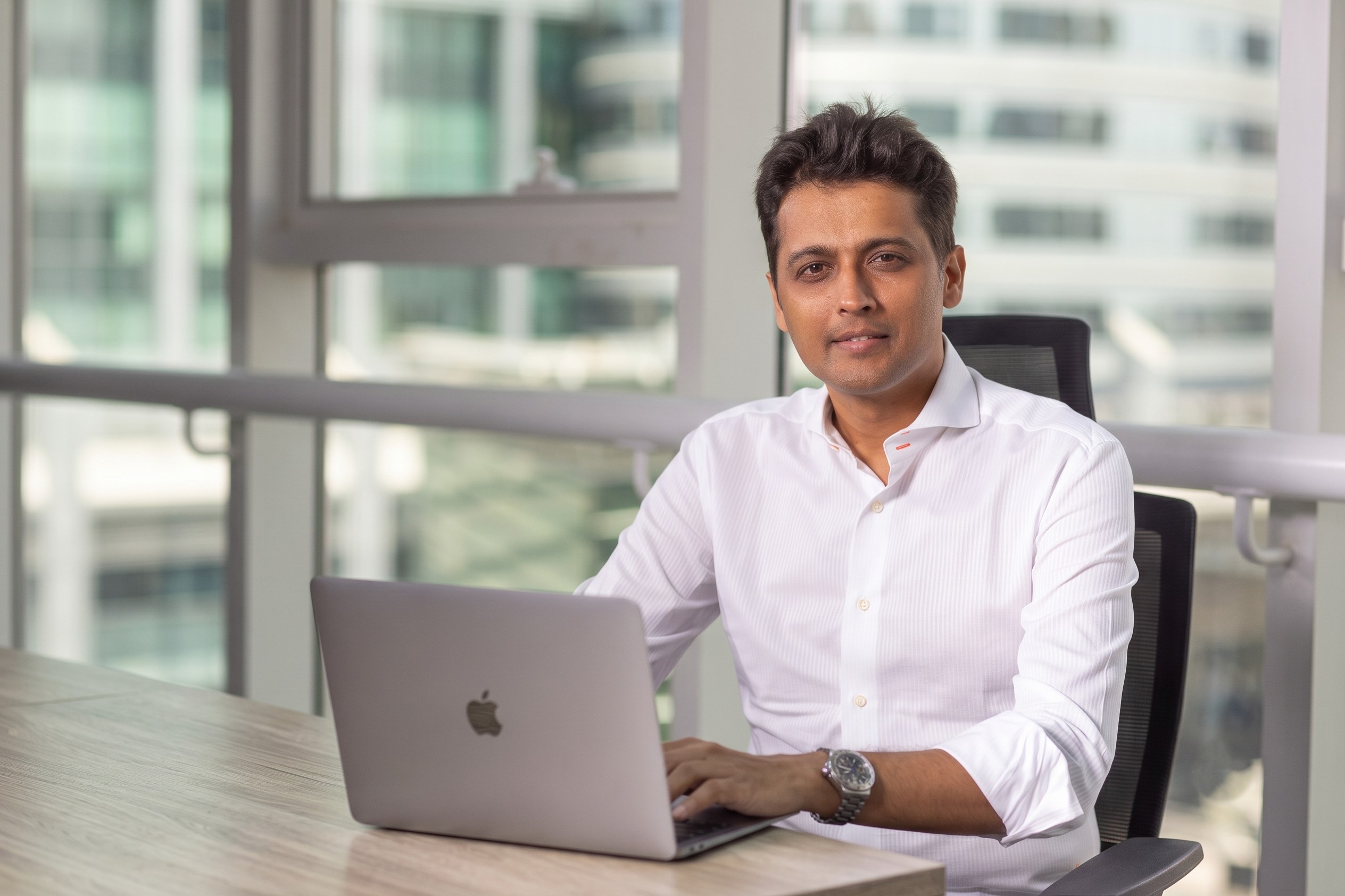
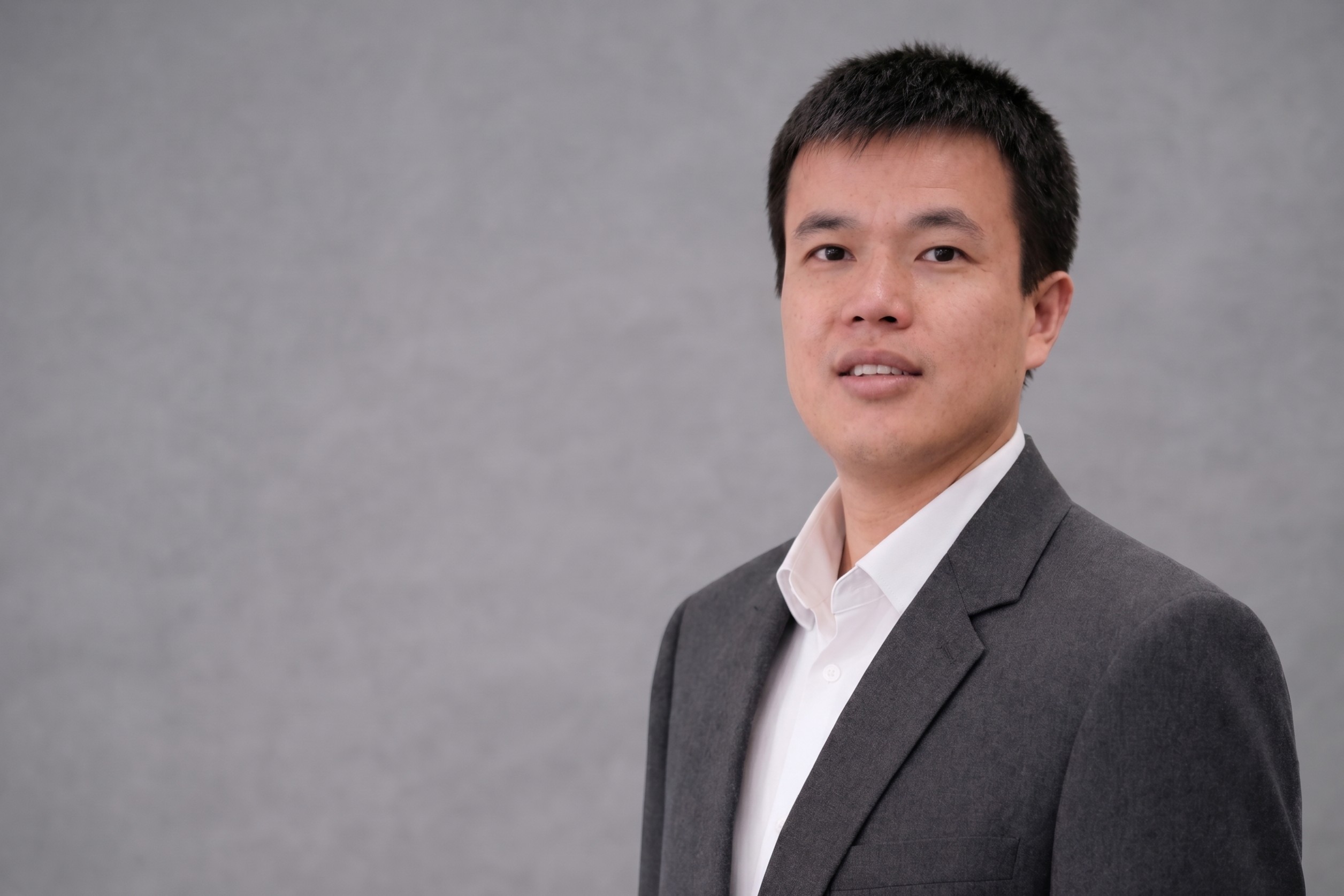
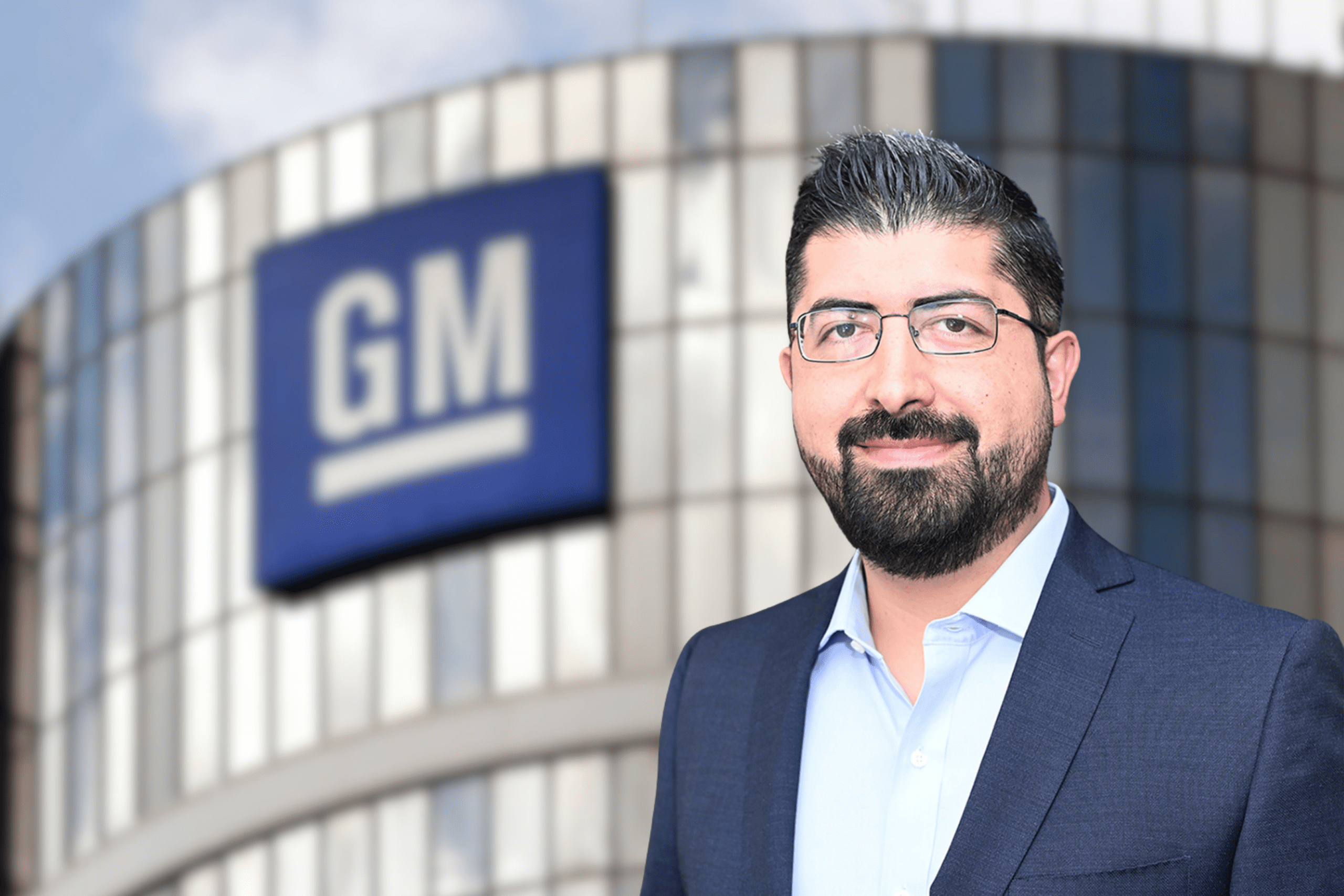
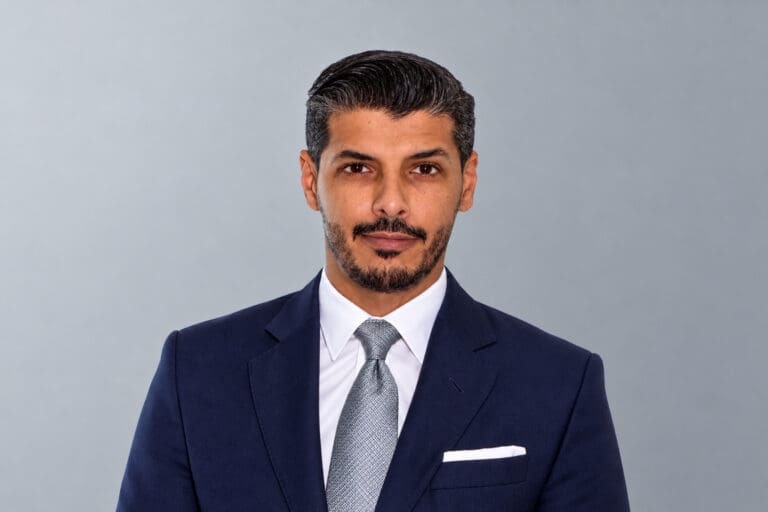
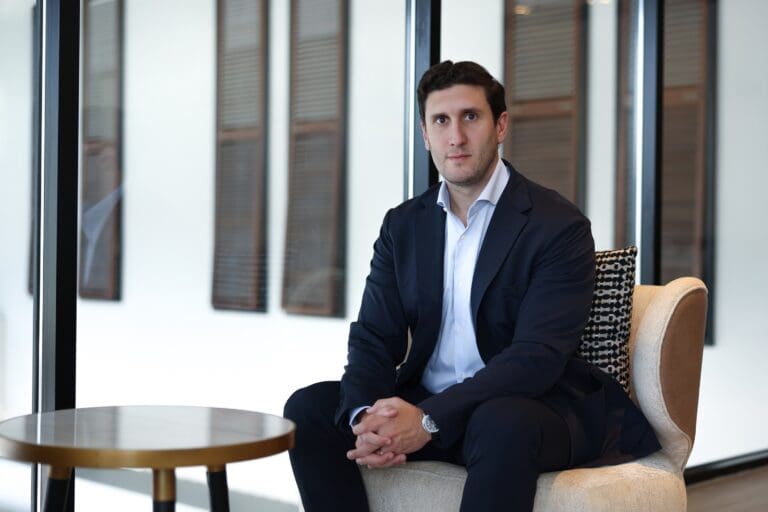
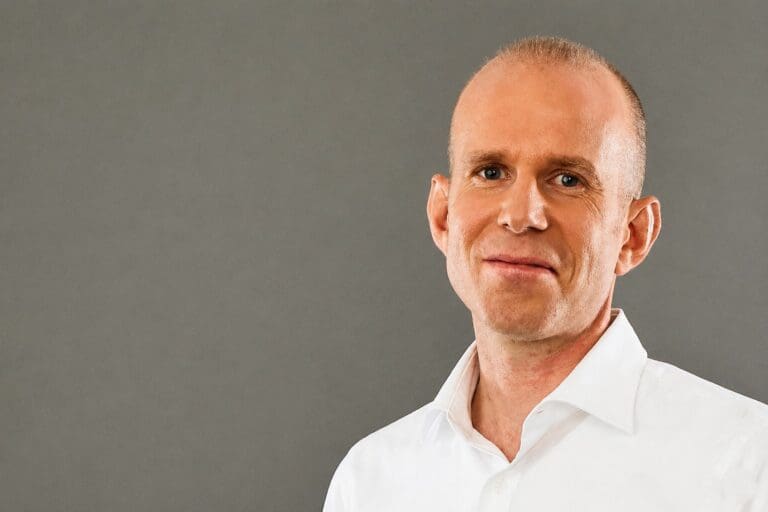
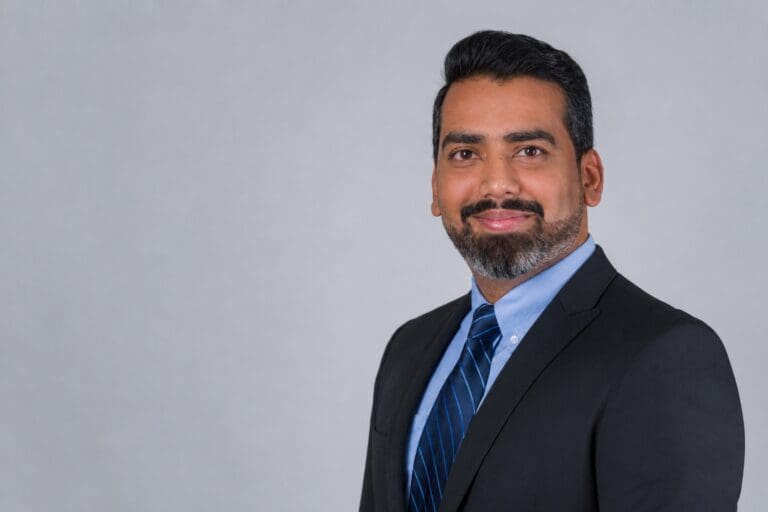
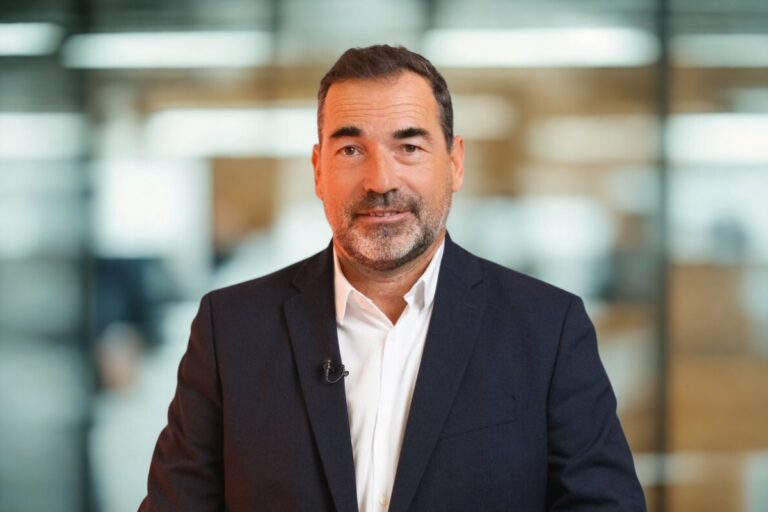
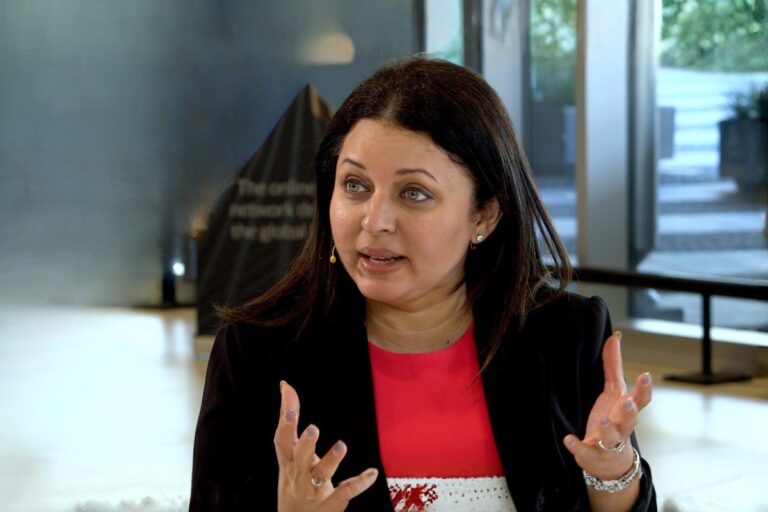
Recently, we had the opportunity to meet with Gilles Thiebaut, SVP & Head of Worldwide Hybrid Cloud Sales, HPE, and Ahmad Alkhallafi, Vice President & Managing Director, UAE & Africa, HPE, and have them explain how HPE is helping customers simplify hybrid environments, deploy AI at scale, and support the UAE’s ambition to become a global leader in sovereign AI and digital infrastructure.
How would you describe HPE’s strategic focus today?
Gilles Thiebaut:
HPE has transformed significantly over recent years. Today, we focus on three strategic areas. The first is AI infrastructure, where we are a leading global provider of AI platforms and AI factories. The second is networking, which has become even more strategic following our acquisition of Juniper, particularly as networks are now being built for AI and increasingly managed with AI. The third pillar is hybrid cloud, which is my area of responsibility and a key priority for enterprises worldwide.

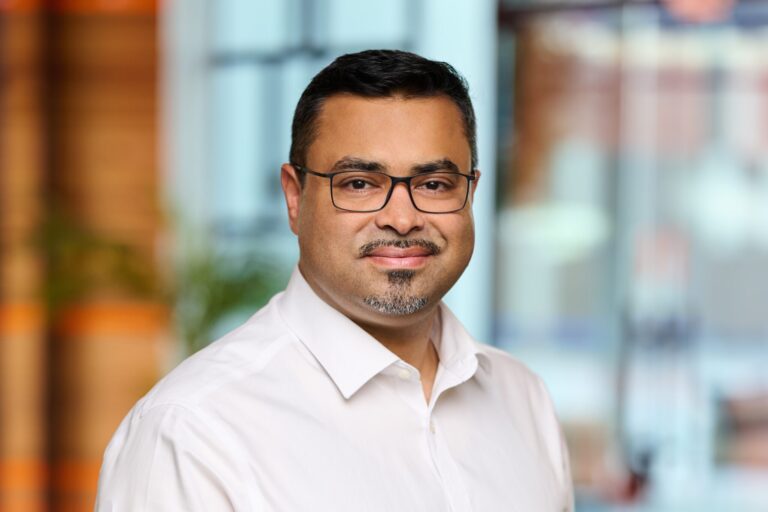
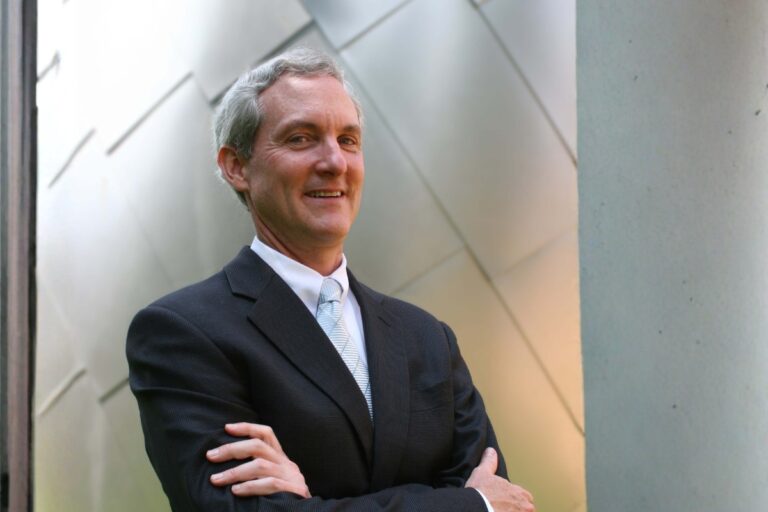
Gilles Thiebaut, SVP & Head of Worldwide Hybrid Cloud Sales, HPE
How is HPE supporting the UAE’s national digital agenda?
Ahmad Alkhallafi:
HPE has a long-standing presence in the United Arab Emirates and is deeply embedded in its technology ecosystem. We work closely with public- and private-sector organizations and continue to invest in the country. One example is our Digital Lab Garage, the largest innovation center in the Middle East for a global technology company. Through local talent, innovation hubs, and partnerships, we support large-scale transformation initiatives aligned with the UAE’s national vision.
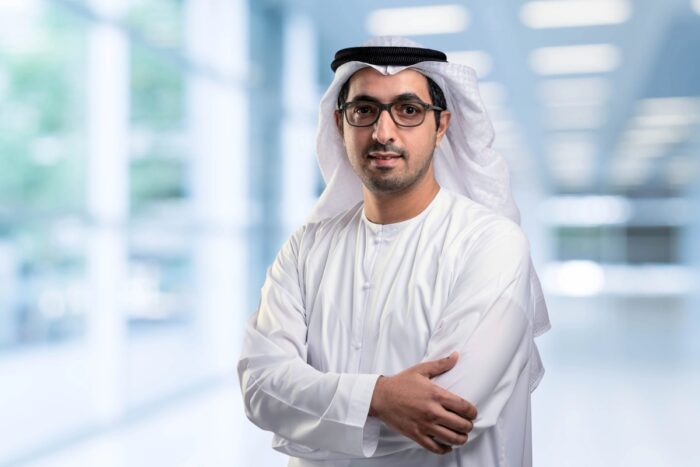
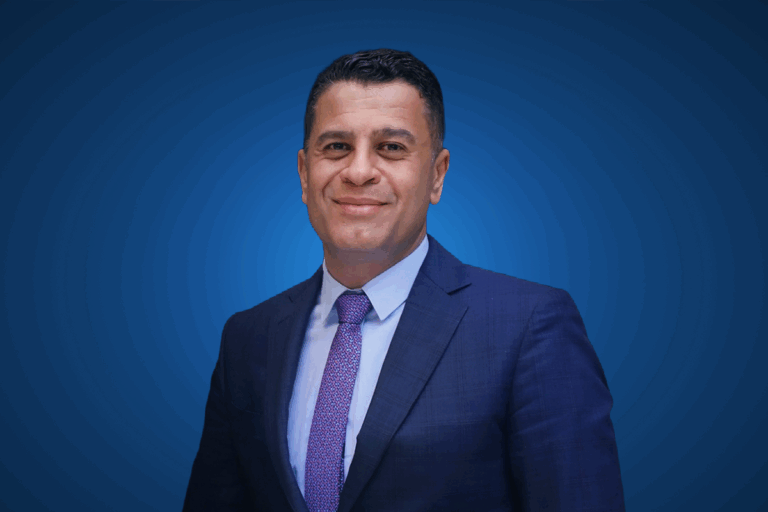
Ahmad Alkhallafi, Vice President & Managing Director, UAE & Africa, HPE
What makes hybrid cloud the dominant enterprise model currently?
Gilles Thiebaut:
Hybrid cloud is no longer optional; it is the reality for almost every enterprise. However, many organizations became hybrid by accident rather than by design. They moved workloads across clouds without a unified strategy, creating complexity and operational challenges. The biggest struggle today is managing that complexity. Our goal is to help customers simplify hybrid environments and regain control.
How does HPE help customers simplify and operate hybrid cloud environments?
Gilles Thiebaut:
We focus on both the platform and operations. With HPE GreenLake, we view cloud as an experience rather than just a destination. On the operations side, tools like HPE OpsRamp provide customers with full visibility across public cloud, private cloud, and on-premises environments, while AIOps helps automate issue resolution. Additionally, our Morpheus platform allows customers to provision and manage workloads across multiple clouds and vendors from a single control plane. This flexibility is particularly valuable for organizations managing complex, multi-cloud environments.
How does hybrid cloud support data sovereignty and regulatory requirements?
Gilles Thiebaut:
Data sovereignty has become a key part of IT strategy. Organizations want the advantages of cloud computing, like flexibility, speed, and simplicity, while keeping control of their data. AI makes this even more important because data is the main asset that sets one organization apart from another.
We assist customers in balancing these needs by providing sovereign-ready solutions, including air-gapped deployments for highly sensitive environments. Many AI workloads begin in the public cloud, but when moving into production, customers often bring them back on-premises to maintain data control.
Are you seeing more workloads move off the public cloud?
Gilles Thiebaut:
Yes, very clearly. And that is driven by both sovereignty and cost considerations. When workloads move back on-premises, customers want to ensure they are running the most efficient private cloud possible. This is where HPE’s broad private cloud portfolio stands out, from solutions for smaller organizations to large enterprises and now private cloud platforms designed specifically for AI workloads.
Why has enterprise AI adoption been slower than expected?
Gilles Thiebaut:
Many AI proofs of concept failed due to unclear use cases or weak ROI, but complexity is the biggest barrier. AI is not just about deploying GPUs; you need a solid data foundation, security, pipelines, and operational maturity. To address this, we developed HPE Private Cloud for AI in collaboration with NVIDIA. It’s a pre-integrated, pre-tested solution that dramatically simplifies deployment and reduces implementation time from months to weeks.
What AI adoption trends are you seeing in the UAE?
Ahmad Alkhallafi:
We see strong adoption momentum across government, financial services, and the private sector. The UAE leadership has been very clear about positioning the country as a global AI leader. Technology is one pillar, but people and processes are equally important. We work closely with customers to share global best practices and successful use cases, helping them avoid trial-and-error and accelerate value realization.
How is the UAE positioning itself in the global AI race?
Ahmad Alkhallafi:
The UAE is exceptionally well-positioned. Over the past 15 years, the country has invested heavily in power generation, connectivity, and infrastructure, key prerequisites for large-scale AI deployments. Initiatives such as the planned multi-gigawatt AI facilities in Abu Dhabi demonstrate long-term vision. Our role is to contribute to a broader ecosystem, working with partners such as NVIDIA and others to build sovereign AI platforms that support national and enterprise objectives.
Can sovereign AI be achieved without fully owning every layer of infrastructure?
Gilles Thiebaut:
The most critical element is data control. Models and algorithms are evolving rapidly, and customers need infrastructure that is secure, sovereign, and future-proof. Our focus is on building platforms that support this diversity while remaining flexible enough to adapt to future innovation, from advanced cooling technologies to edge AI and data growth.
How is HPE strengthening its long-term presence in the UAE?
Gilles Thiebaut:
The UAE is one of our fastest-growing regions, which is why we continue to invest here. We recently launched a new solution center focused on AI and hybrid cloud use cases. Beyond sales, we are expanding our local technical capabilities and partner ecosystem.
Ahmad Alkhallafi:
Knowledge transfer is a key part of our commitment. A strong local partner ecosystem ensures that HPE technologies are delivered effectively and sustainably. Our investments reinforce the UAE’s position as a regional and global technology hub.