Leading Chinese producer: Robots are, at best, half as efficient as humans
Humanoid robots are often promoted as a future solution to labour shortages and productivity challenges in manufacturing, but current evidence shows they remain far less efficient than human workers.
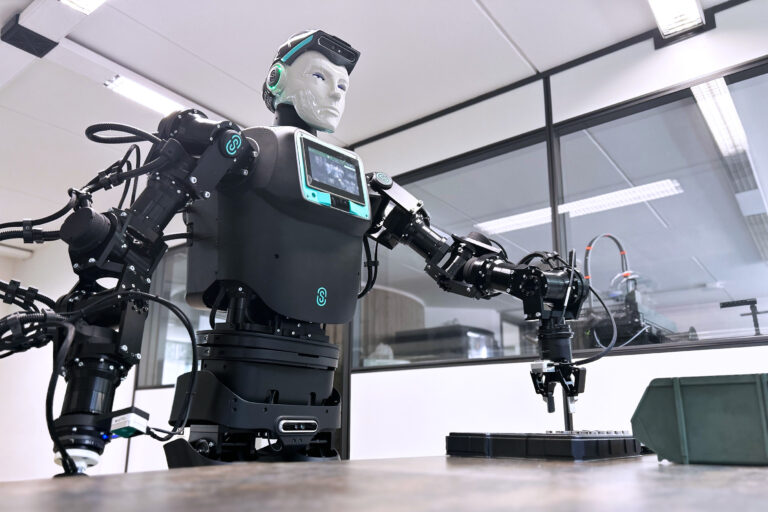
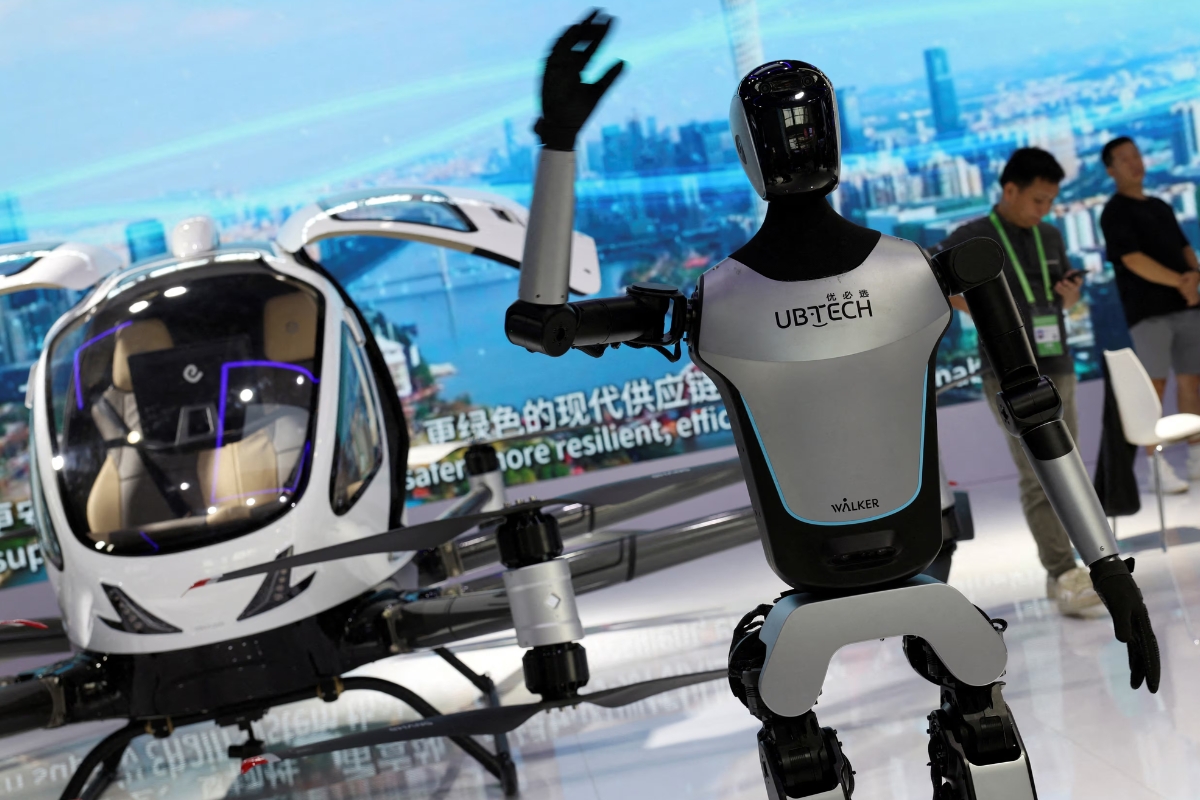
A recent report by the Financial Times shows that UBTech, one of China’s leading humanoid robot manufacturers, openly acknowledges that its latest Walker S2 robots achieve only 30-50% of human productivity, and even then, only in a narrow range of tasks.
According to the company, these robots are mainly capable of basic, repetitive functions such as stacking boxes or performing simple quality control checks, highlighting the large performance gap between robots and human labour.
This limited efficiency underscores the broader technical challenges facing humanoid robots. Unlike humans, who can adapt quickly to new tasks and environments, robots struggle with flexibility and decision-making.
Analysts argue that humanoid robots are inherently more complex than traditional industrial machines, such as robotic arms or conveyor belts. They require their own power supplies, contain many intricate moving joints that increase the risk of failure, and must perform more advanced decision-making to function effectively. These added layers of complexity often reduce reliability and efficiency rather than improve them.
Real-world demonstrations further expose these shortcomings. At a UBTech showroom, a non-industrial humanoid robot failed to respond during a simple handshake demonstration, even after repeated prompting from staff. In industrial settings, the Walker robots still require human intervention to switch hands or tools for different tasks, limiting their ability to operate independently. Such examples show that robots remain dependent on humans rather than replacing them, reducing their overall efficiency in factory environments.
Despite these limitations, manufacturers continue to order humanoid robots largely out of fear of falling behind competitors, rather than because the robots outperform human workers. Policymakers in China have also strongly supported the industry, encouraging the deployment of AI-driven robots in factories. However, most robots currently installed in China are traditional industrial machines, not humanoid robots, reflecting the reality that simpler, task-specific technology remains more efficient and practical than human-shaped machines.
Many experts caution that most humanoid robot deployments are still at the proof-of-concept or demonstration stage, with few real commercial operations. While UBTech hopes to raise its robots’ performance to 80% of human efficiency by 2027, even this target implicitly acknowledges that robots will continue to lag behind humans for years.