WhatsApp is being accused of misleading users regarding encryption
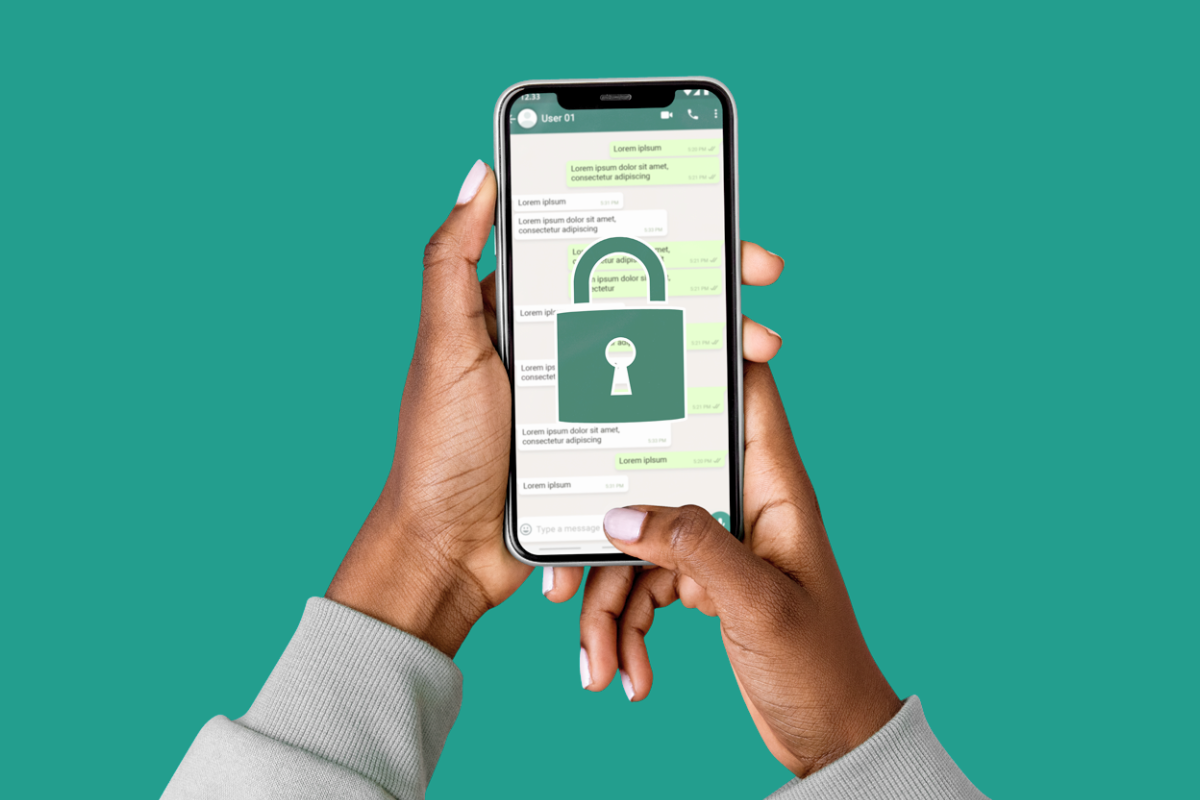
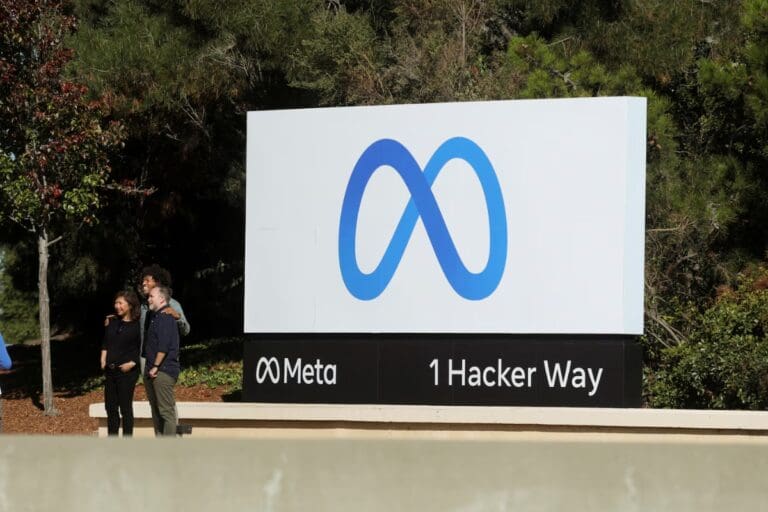
An international group of plaintiffs from multiple countries has filed a lawsuit against Meta Platforms, Inc., Bloomberg reported. The group is accusing Meta of misrepresenting the privacy and security protections of WhatsApp, the most popular messaging service in the world.
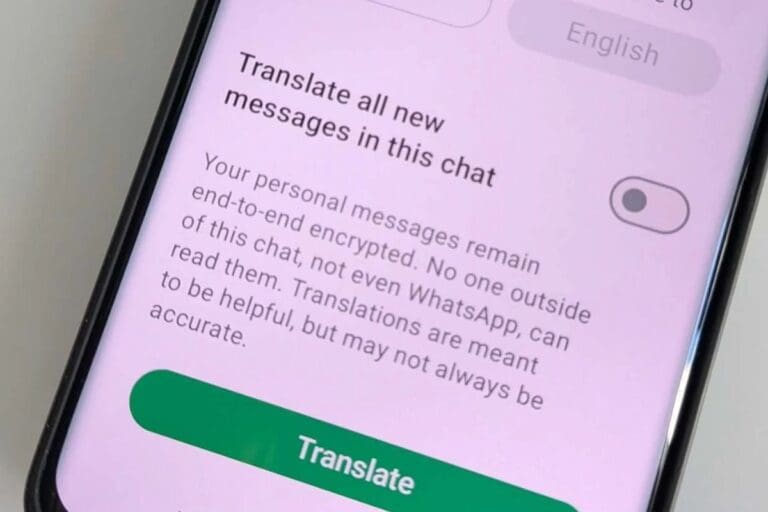
For years now, WhatsApp has been promoting so-called end-to-end encryption as a core feature of its messaging service. End-to-end encryption (also called e2e) describes a system in which messages can be read only by the sender and the intended recipient, and not by the company itself or any other party intercepting the message.
By default, all WhatsApp conversations are end-to-end encrypted, with an in-app notice stating, “only people in this chat can read, listen to, or share.” This is at the core of the new lawsuit, according to reports.
In the complaint filed Friday, the plaintiffs argue that these assurances are misleading. They claim that Meta and WhatsApp “store, analyze, and can access virtually all of WhatsApp users’ purportedly ‘private’ communications,” and allege that the companies, along with their executives, have deceived WhatsApp’s billions of users around the world.
Meta, which acquired WhatsApp in 2014, dismissed the lawsuit as lacking merit. A company spokesperson described the filing as “frivolous,” with its spokesperson Andy Stone saying: “Any claim that people’s WhatsApp messages are not encrypted is categorically false and absurd. WhatsApp has been end-to-end encrypted using the Signal protocol for a decade. This lawsuit is a frivolous work of fiction.”
It’s worth noting that the encryption protocol used by WhatsApp is not developed by Meta. The protocol belongs to the Signal Foundation, a non-profit entity that develops internet encryption protocols and offers the well-known Signal Messenger, a high-security messaging service popular among privacy-conscious users.