Nvidia overtakes Apple as Taiwan Semiconductor’s top customer
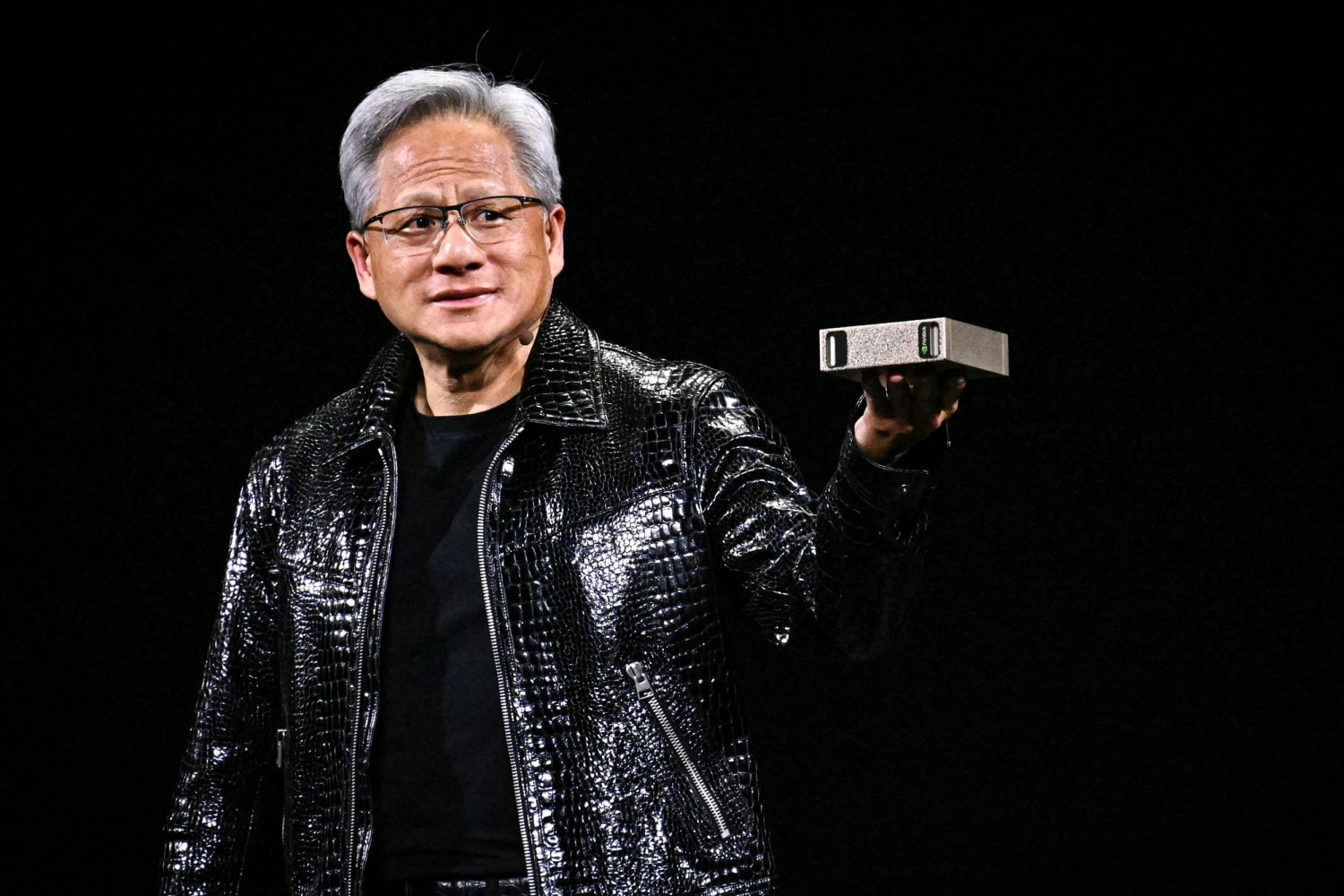
Nvidia has overtaken Apple as the largest customer of Taiwan Semiconductor Manufacturing Company (TSMC), Nvidia Chief Executive Officer Jensen Huang said, highlighting how demand for AI chips is reshaping the global semiconductor supply chain.
Huang made the comment during an appearance on the “A Bit Personal with Jodi Shelton” podcast. When the host referenced TSMC founder Morris Chang’s recollection that a younger Huang once promised Nvidia would become one of TSMC’s biggest clients, Huang responded that Nvidia is already TSMC’s largest customer.
The shift matters because Apple held that position for years as TSMC became the primary manufacturer for Apple’s iPhone and iPad processors. Huang’s statement signals a change in foundry demand driven by the surge in AI computing, where large-scale deployments rely heavily on Nvidia’s graphics processing units (GPUs) and related accelerators.
Days later, Huang expanded on the broader investment cycle around AI during the World Economic Forum (WEF) in Davos. In a public discussion with BlackRock Chief Executive Officer Larry Fink, Huang described AI as a “five-layer” stack that starts with energy, then semiconductors, then cloud and data center infrastructure, followed by AI models, and finally the application layer where revenue is generated.
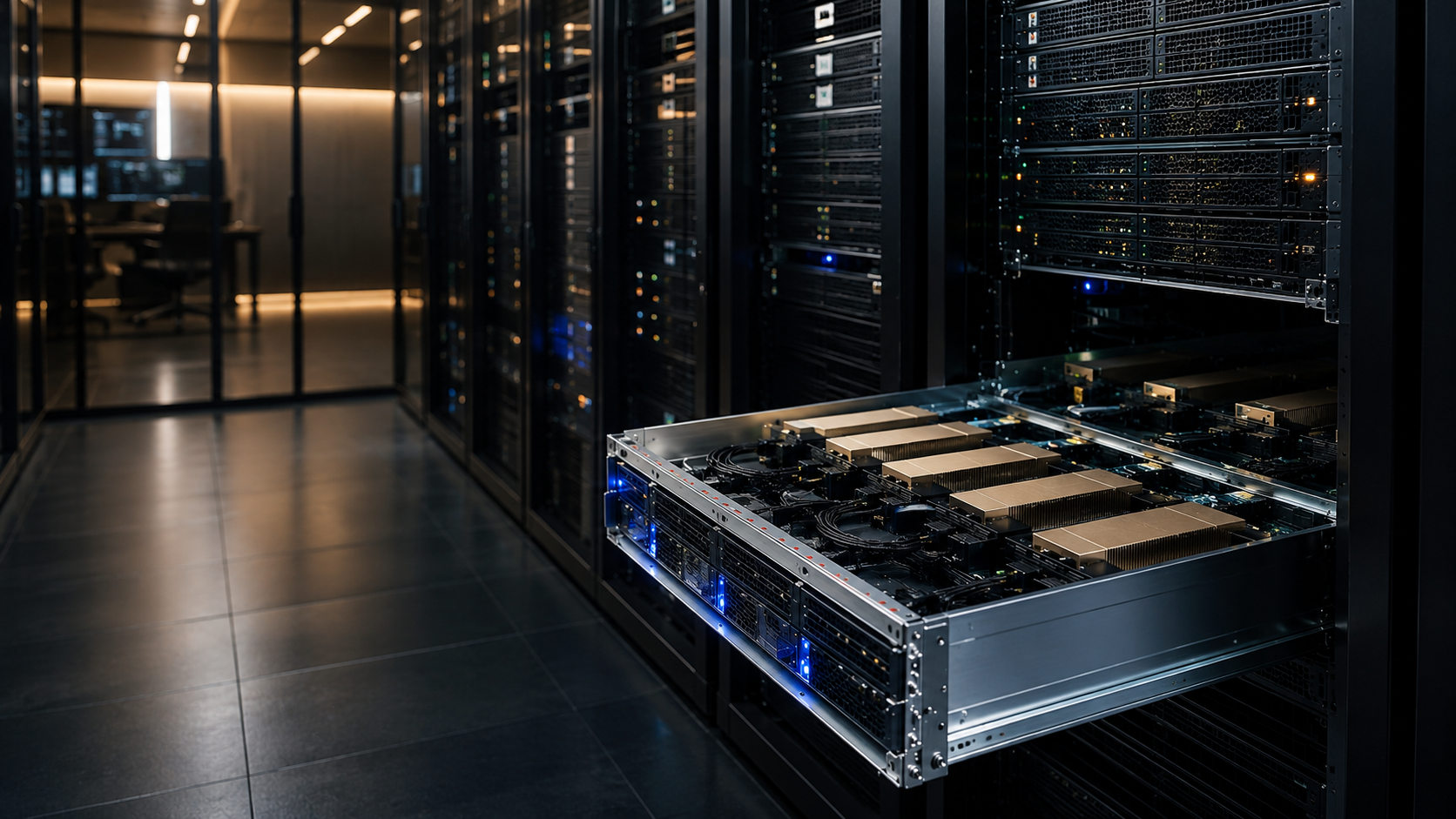
Huang framed the current period as an infrastructure buildout already measured in the hundreds of billions of dollars and requiring trillions more over time. The description linked AI expansion to physical infrastructure needs, including electricity generation, grid connections, chip production capacity, and large-scale data center construction that supports training and running models.
The statement also reflects how capital and capacity planning are being pulled toward AI hardware. TSMC has been increasing investment to meet the expected growth in AI chip demand, and it supplies both Nvidia and Apple across advanced manufacturing nodes.
Huang also pointed to a broader ecosystem effect: as AI infrastructure expands, suppliers across the stack, from chip manufacturing to server assembly, are increasing output to meet demand for GPU-based systems and supporting components.