Abu Dhabi plans dedicated power tariff for AI data centers
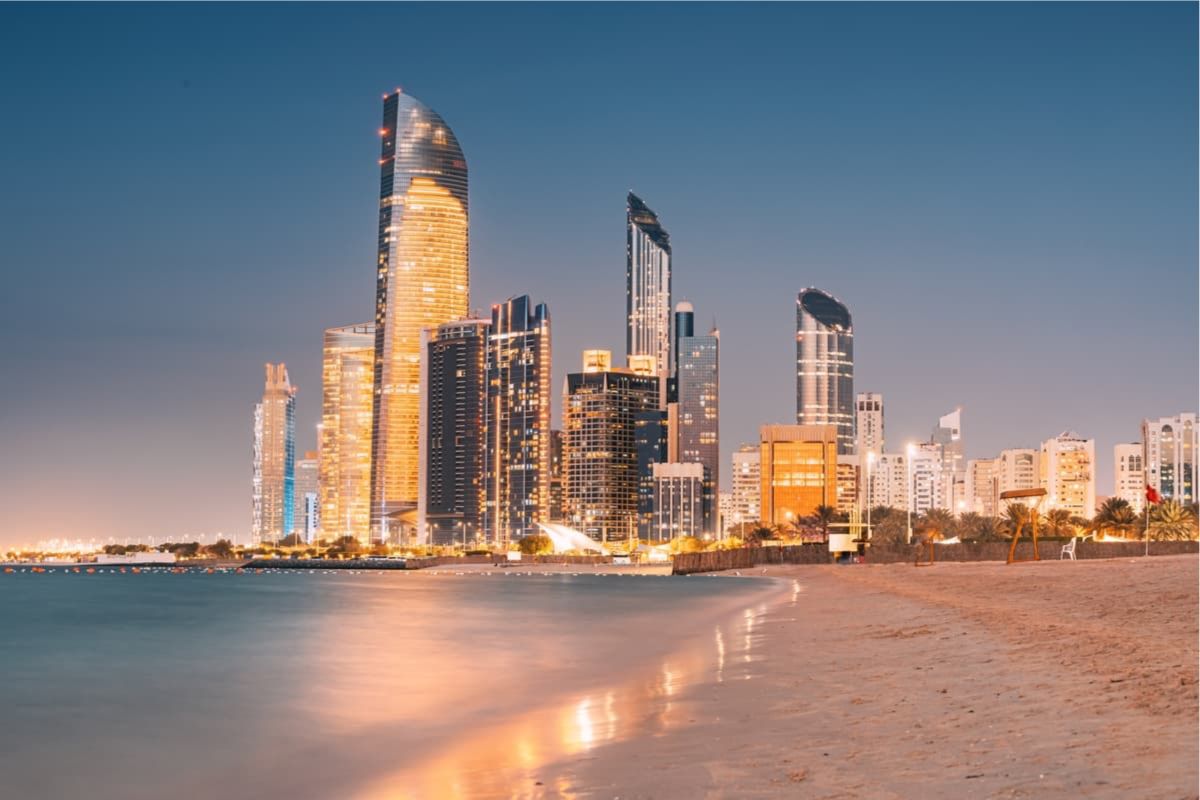
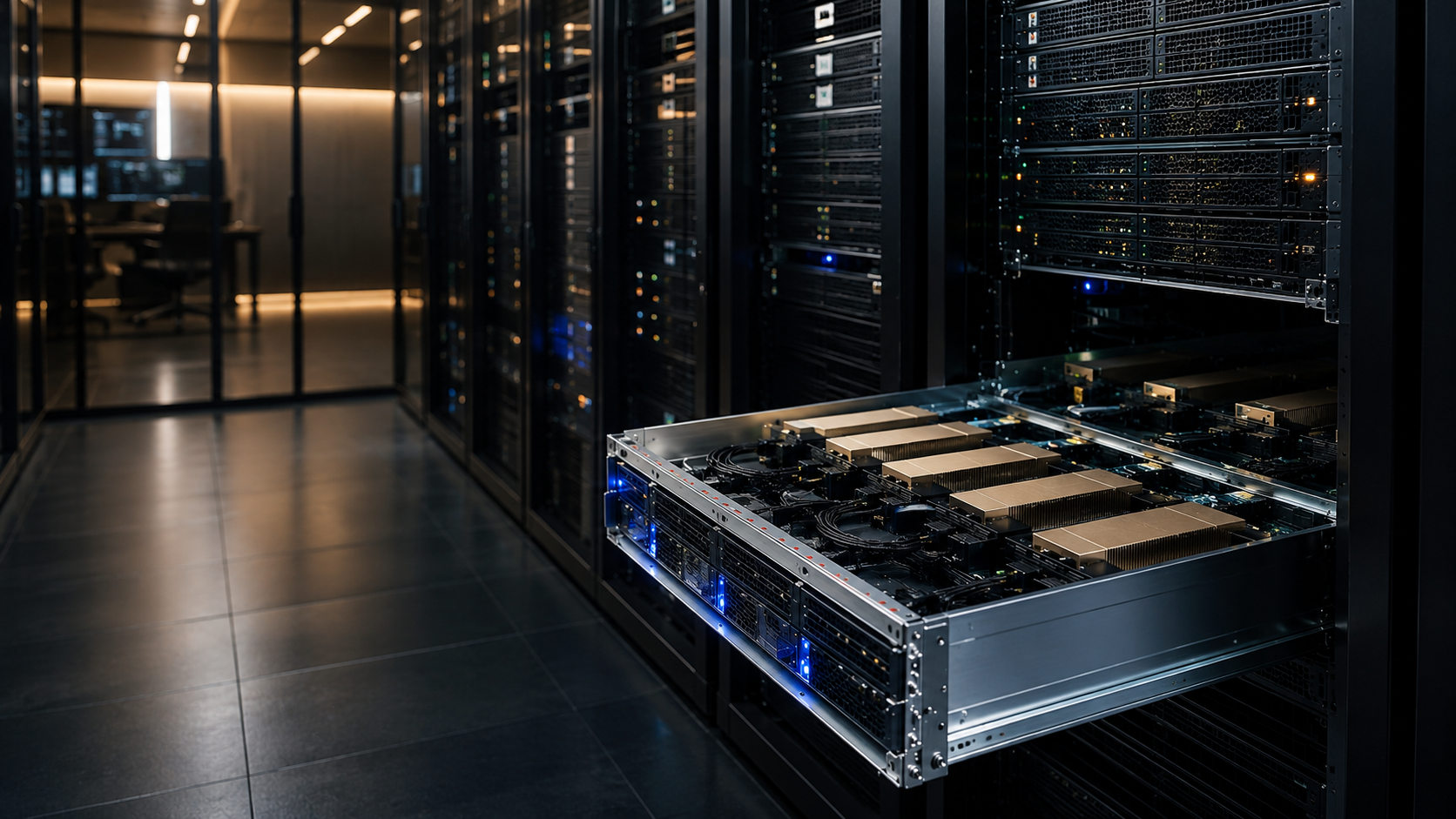
Abu Dhabi is preparing a dedicated electricity tariff for data centers as it scales up infrastructure for AI computing and seeks to prevent higher costs from being passed on to other electricity customers.
The plan is being developed as demand rises from large-scale computing facilities, including hyperscalers, a term used for major cloud providers that rapidly expand computing capacity by building very large data centers. That expansion is increasing the need for additional power generation and grid infrastructure, which can raise system-wide costs if pricing is not aligned with how and where the demand is created.
A standardized approach for the sector is being prepared under the Abu Dhabi Department of Energy, with a focus on setting globally competitive pricing for large computing operators while keeping tariffs cost-reflective. Under a cost-reflective structure, large users pay in line with the cost of supplying their demand, rather than relying on cross-subsidies that shift costs to households or smaller businesses.
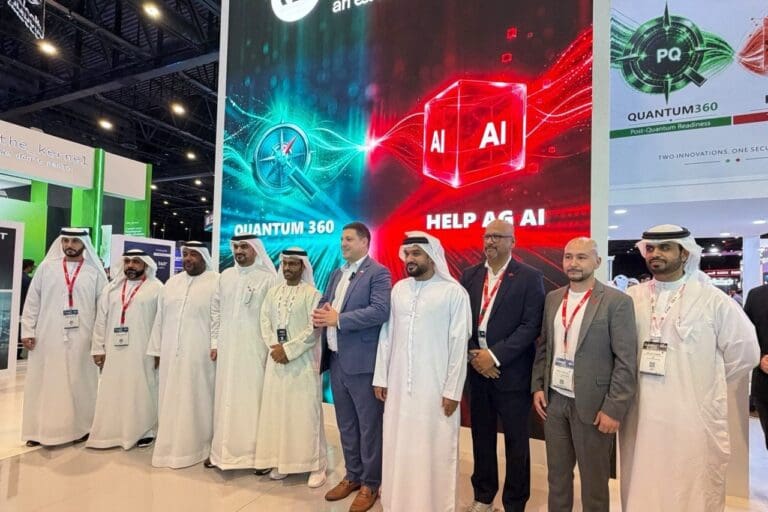
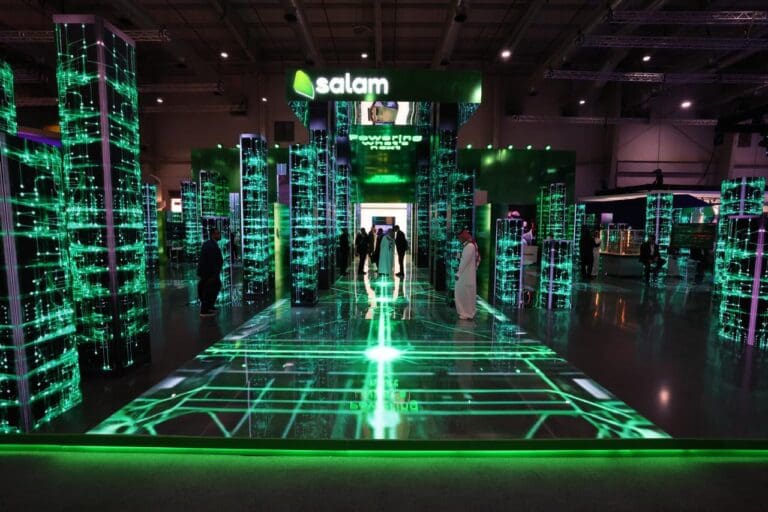
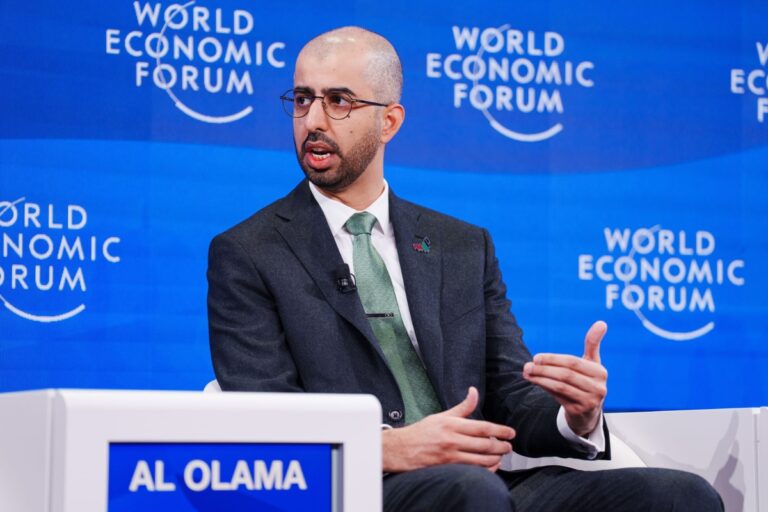
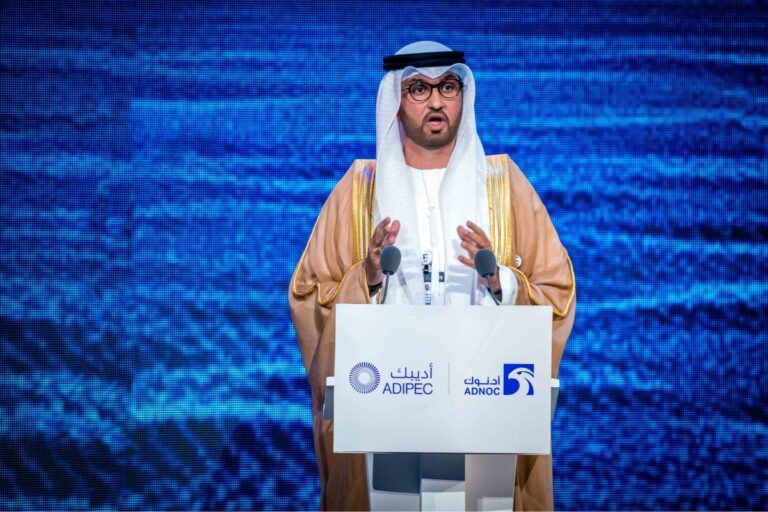
The plan was presented publicly during a panel at the World Future Energy Summit in Abu Dhabi, where the tariff concept was discussed as a way to align the rapid growth in computing demand with power system investment requirements.
The policy move comes as Gulf markets compete to attract energy-intensive data center projects tied to AI training and inference. Saudi Arabia and Qatar have also been positioning themselves as regional hubs for large-scale data centers through fast infrastructure buildouts and access to relatively low-cost electricity.
The planned tariff structure is expected to remain compatible with operators’ sustainability targets. Large users may be able to choose their preferred electricity mix, including the balance between renewables and conventional generation, depending on contracting options and system availability. This reflects the reality that many data center operators weigh both price and the carbon profile of the electricity they procure.
Similar pressure points are being discussed in the United States, where rapid growth in data center load has been reshaping grid planning and investment. A report from the Lawrence Berkeley National Laboratory found that U.S. data centers consumed about 4.4% of total U.S. electricity in 2023 and are expected to reach roughly 6.7% to 12% by 2028, depending on broader economic growth. The report also estimates that total data center electricity use could rise from 176 terawatt-hours in 2023 to 325 to 580 terawatt-hours by 2028.
In Abu Dhabi, the dedicated tariff is being positioned as a sector-specific mechanism to support continued data center expansion while maintaining pricing fairness across customer classes, alongside continued investment in generation and grid infrastructure.