“Memory” emerges as a key focus in superintelligence debate
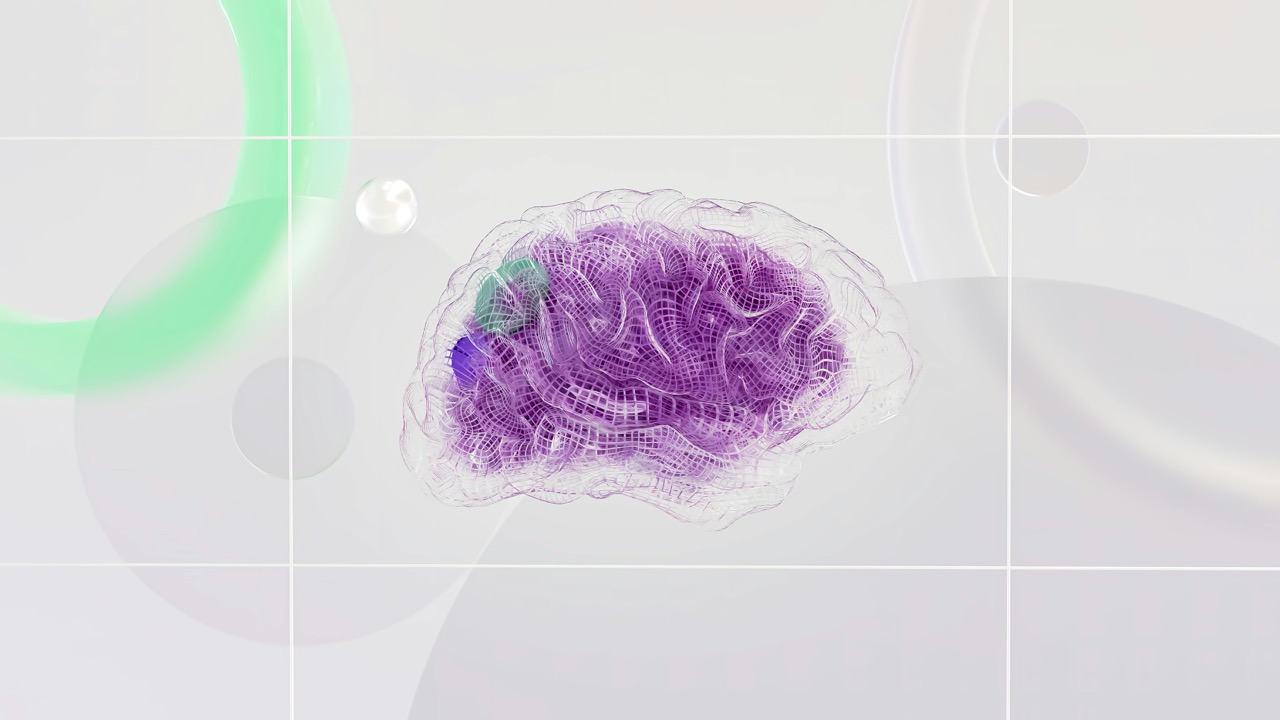
Human working memory, the ability to hold and use information in daily life, is closely linked to general intelligence. Recent discussion among AI developers has pointed to memory as a major capability gap for today’s systems and a potential requirement for reaching “superintelligence,” a theoretical form of AI that can reason at or above human level.
In a recent Big Technology podcast appearance, OpenAI Chief Executive Officer Sam Altman described “infinite, perfect memory” as a major direction for future AI systems. He described current memory tools as early-stage and argued that AI systems could eventually retain far more context than humans can, including a detailed record of a user’s interactions and information across time.
Altman outlined a contrast between human assistants and what AI could become with stronger memory. He described a future system that can retain everything a user has said, read a user’s emails and documents, follow day-to-day work, and keep track of details that are difficult for humans to store and recall consistently.
The same theme was echoed by Andrew Pignanelli, co-founder of The General Intelligence Company, a New York-based firm building AI agents for businesses. In a blog post, Pignanelli described memory as a central topic for AI companies and framed it as a key step on the path toward artificial general intelligence (AGI), the commonly used term for AI systems that can perform a wide range of tasks at human level.
Pignanelli also described limits in today’s long-term memory approaches. He argued that increasing a model’s context window can improve performance, but that broader progress requires better methods to organize, store, and retrieve memory over time. He also pointed to gaps in “episodic” memory, meaning the ability to reliably form and recall experiences and events across longer timelines.
The discussion follows OpenAI’s rollout of memory features in ChatGPT and wider industry work on personalization and long-running context.