Canadian startup Kepler launches 10 satellites for high-speed space links

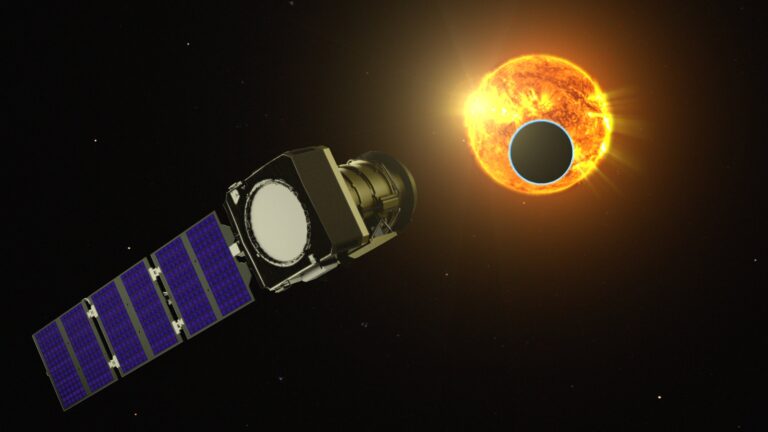
Kepler Communications launched 10 new satellites into low Earth orbit on a SpaceX Falcon 9 rocket from Vandenberg Space Force Base in California as it begins deploying a high-speed space communications network. Each satellite weighs about 300 kilograms, and the group will enter a commissioning phase as the company moves its optical data relay system into operational service.
Kepler described the satellites as optical relay nodes that use laser links to move data between space, air, and ground systems with low latency. The company said each satellite carries multiple optical terminals and on-orbit compute hardware with terabytes of storage, enabling data transfer, routing, and processing directly in space.
The satellites are intended to support applications including Earth observation, defense, and communications. Kepler’s platform is designed to reduce delays associated with waiting for downlinks to Earth by allowing more data to be handled on orbit, including workloads tied to artificial intelligence.
Kepler’s earlier filings on the program described the constellation as an internet-style mesh network that routes traffic dynamically between satellites and is built for compatibility with optical communications standards used across government and commercial architectures. The company also said additional tranches are planned to expand capacity and add new capabilities.