What happened to EV pickup trucks, and where is the industry heading now?
In the past 5-7 years, there has been a common trend in the EV market: a shift away from sedans toward other vehicle form factors, including sports cars and the dominant pickup truck segment. In 2019, the Tesla Cybertruck was among the pioneers of this shift, with its divisive design and promises of 2021 deliveries. However, the Cybertruck experienced several delays, allowing competitors such as the Rivian R1T and the Ford F-150 Lightning to reach the market first.
Developing electric pickup trucks seemed like a logical step at the time, as pickups are among the best-selling cars in the market. But fast-forward to today, and another image appears.
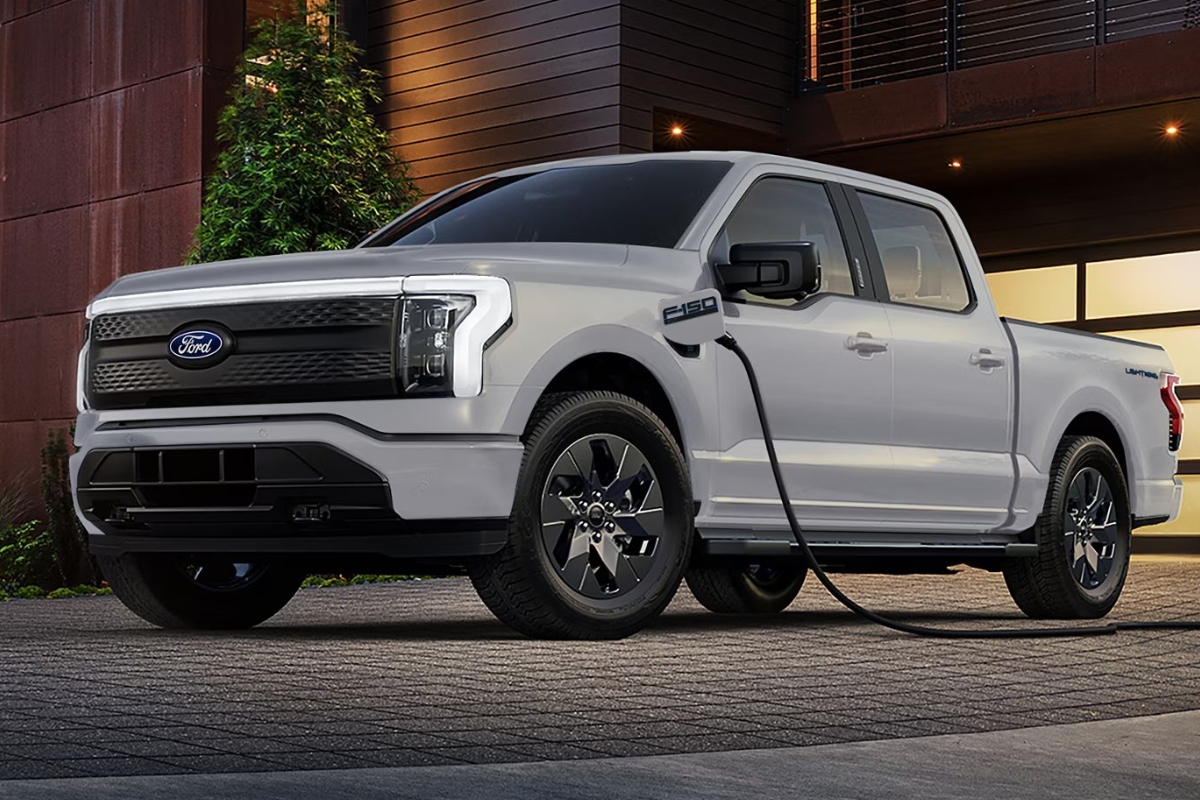
In December 2025, Ford announced that it’s cancelling its F-150 Lightning line-up, shifting its focus to battery storage and hybrid trucks. This came as a shock to many, as the F-150 Lightning dominated the EV pickup market since its release, topping the best-selling lists for years.
Taking a closer look, Ford’s decision makes more sense: the EV pickup market is small, with the F-150 Lightning barely exceeding 13k units sold in H1 2025. Combined, the top 5 best-selling EV pickup models sold only 35,400 trucks in the same period, according to Autoblog. Such numbers are difficult to justify in an industry characterized by economies of scale, making many EV pickups a loss-leader for now.
A loss-leader new product is expected, as new products require time to grow sufficiently to recoup the initial investment. The issue is that the segment growth has stalled. Some models held steady or increased their numbers, but many faltered, with the F-150 Lightning down 16.7% and the Cybertruck down 50% in the first half of 2025.
Opinions vary on why sales have flatlined. Most theories, though, focus on the usefulness of these vehicles. Pickups are designed to haul, drive long highway distances, operate in cold/heat, and continue operating far from chargers. Such working conditions are highly punishing to EVs’ range, making electric trucks appear less valuable and contributing to the “range anxiety” that many drivers experience.
It’s not all bleak, though. Ford itself is not cancelling all its electric projects. Instead, the company is shifting toward EREVs, extended-range electric vehicles. These vehicles differ from conventional EVs by having a gasoline-powered generator that can supply power when conventional charging is unavailable. This considerably extends vehicle range, reducing many drivers’ range anxiety and increasing the truck’s utility.
For now, EV pickup trucks have primarily been an American phenomenon. The American car market is characterized by a concentration on high-end luxury vehicles, with many trucks serving as status symbols rather than as functional cars. In other parts of the world, notably Asia, EV pickups are only now beginning to emerge, and they differ considerably from their American counterparts. These trucks share similar truck beds but are significantly smaller and less expensive, making them more competitive and effective as work tools.
It’s unclear if electric pickup trucks will see a resurgence soon, but if that happens, much competition is expected to come from Asia with smaller, cheaper, and more useful trucks.