iRobot, the company that popularized the robo-vacuum, files for bankruptcy
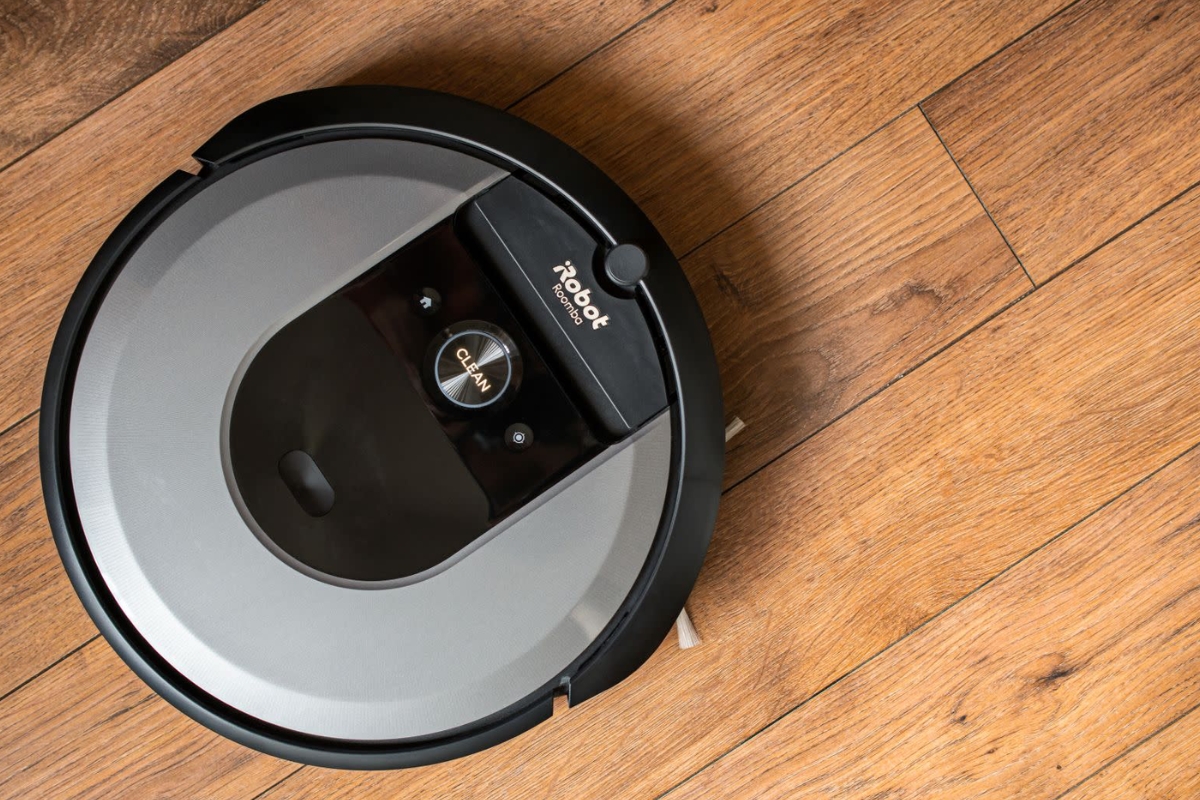
After 35 years of operations, iRobot, the company behind the well-known Roomba robot vacuum, has filed for Chapter 11 bankruptcy protection. The US-based firm announced that it will be fully acquired by its China-based contract manufacturer, Shenzhen Picea Robotics.
Since last March, blood was in the water as iRobot cautioned investors that its future was uncertain and that it might not make it through the following year. As revenue declined sharply, the company’s stock price fell from a high of $133 in 2021 to $1.40 by November.
For years, competitors, especially from China, have been eroding iRobot’s market share. The company that was synonymous with the robo-vacuum was ranked only the 5th-best-selling brand in 2025, with the top 4 spots held by Chinese firms that frequently undercut iRobot’s prices by up to 50%.
Clear warning signs emerged last month when iRobot reported third-quarter revenue that fell well short of expectations. The company cited persistent market headwinds, ongoing manufacturing delays, and shipping disruptions. These pressures forced iRobot to burn through cash faster, leaving it with less than $25 million on hand, down from $46.6 million at the end of June.
Under the agreement, iRobot will transition to a privately held company under Picea’s ownership, and its common shares will be removed from public trading.
Despite the bankruptcy filing, the company emphasized that Roomba products will remain available. iRobot said the acquisition will allow it to continue operations, develop new products, pay vendors and creditors, and fulfill its obligations to employees. It also stated that it does not expect any disruption to app services or product support for existing customers.
iRobot was founded in 1990 by three roboticists who met at the Massachusetts Institute of Technology. The company introduced the first Roomba robot vacuum in 2002, and the circular devices quickly became synonymous with the category. Over time, however, iRobot struggled as lower-priced competitors gained ground.
The company’s difficulties worsened after the pandemic, which brought additional supply chain challenges. In 2022, iRobot appeared poised for a turnaround when Amazon agreed to acquire the firm for $1.7 billion in cash, representing a 22% premium over its share price at the time. That deal collapsed in January 2024 due to regulatory objections from the European Union.
Gary Cohen, iRobot’s chief executive officer, said that combining iRobot’s innovation, consumer-focused design, and research and development capabilities with Picea’s manufacturing experience and technical expertise positions the company to help define the next phase of smart home robotics.