Hundreds of luxury car stopped working all across Russia, a connection issue is to plame
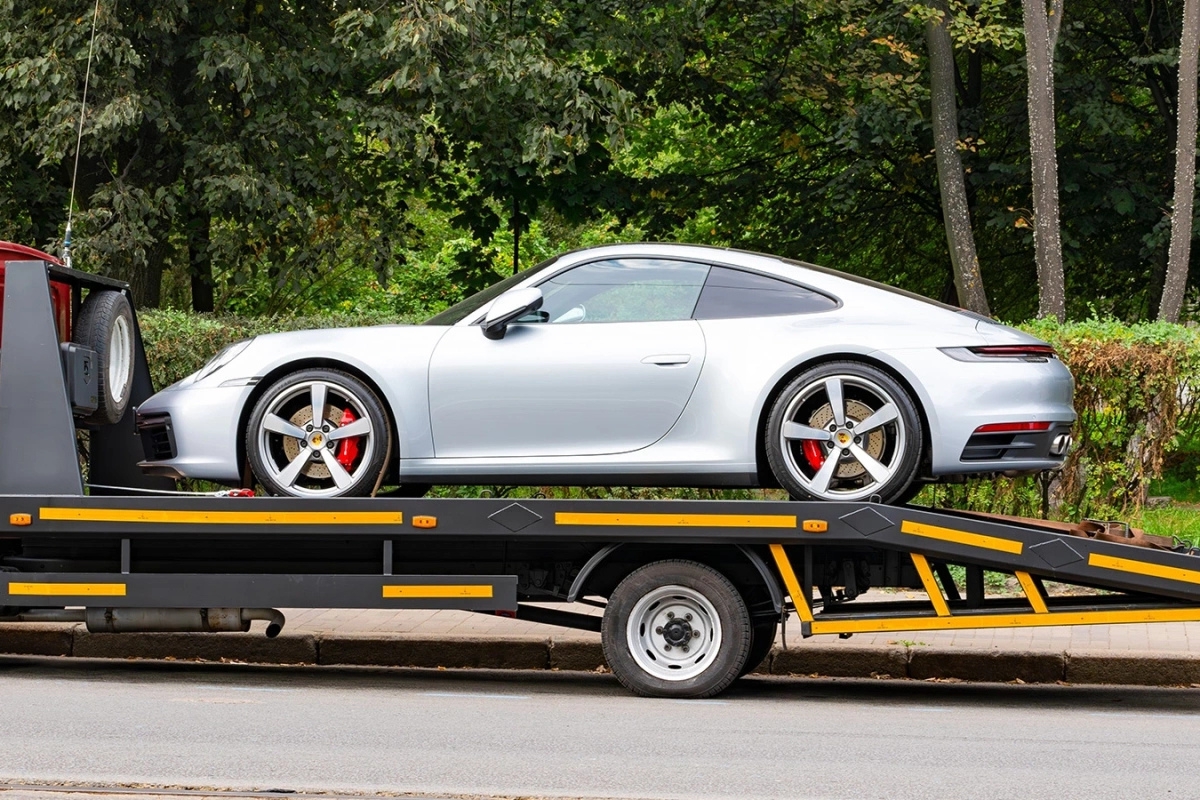
In a concerning example of how technology can become a limiting factor rather than a help, hundreds of Porsches across Russia were recently rendered unusable after a mysterious malfunction in a satellite-based security system. Investigators are still trying to determine what triggered the outage. Although there is no confirmation of foul play, some observers say it cannot be ruled out.
Near the end of November, Porsche owners in multiple Russian cities discovered that their vehicles either refused to start or shut down shortly after ignition. The country’s largest dealership later confirmed that the issue stemmed from a loss of satellite communication with the onboard Vehicle Tracking System, or VTS. When the connection drops, the system interprets it as a potential theft attempt and automatically initiates protective measures, including disabling the engine and cutting off fuel.
The malfunction applies to any Porsche manufactured after 2013 that includes the factory-installed VTS module.
Some owners have managed to restore normal operation by manually turning off or rebooting the VTS unit. Others reported success after disconnecting the car battery for up to 10 hours. Several dealerships are reported to have begun implementing a corrective procedure that requires partial disassembly of affected vehicles to access the alarm components.
Porsche has halted sales in Russia since February 2022. However, it still maintains three local subsidiaries that it has not been able to divest.
What adds to the mystery is that only vehicles located within Russia experienced the failure. This led many to suspect it might have been done deliberately, possibly through sabotage.
The episode highlights the increasing vulnerabilities associated with embedding more technology in modern cars. In this situation, the connected security module malfunctioned; however, previous research has shown that today’s vehicles often pose significant privacy concerns. In 2024, reports revealed that connected cars equipped with telematics routinely transmit driver behavior and other data to insurance companies, often without drivers’ full awareness.
A few weeks earlier, Eugene Kaspersky, the founder and CEO of the cybersecurity firm Kaspersky, discussed the risks of adding too many smart features to cars. His words now sound more like a warning: “When you are in the middle of Siberia, and your car gets the wrong update from the internet, you’re done. I am not kidding, it happened once.”