2025 Year in Review: Frontier Tech

Frontier technologies are pushing well beyond Earth’s surface, extending digital infrastructure into orbit and transforming space into a new layer of the global technology stack. What was once the domain of national space agencies is now increasingly shaped by startups, cloud providers, and commercial constellations, each racing to secure a strategic presence beyond the atmosphere.
In 2025, this shift became impossible to ignore. From experimental data centers in space to an increasingly crowded low Earth orbit and a renewed focus on Earth observation, space technologies are evolving from niche explorations into operational systems with real geopolitical, environmental, and economic consequences.
Data Centers Head to Space
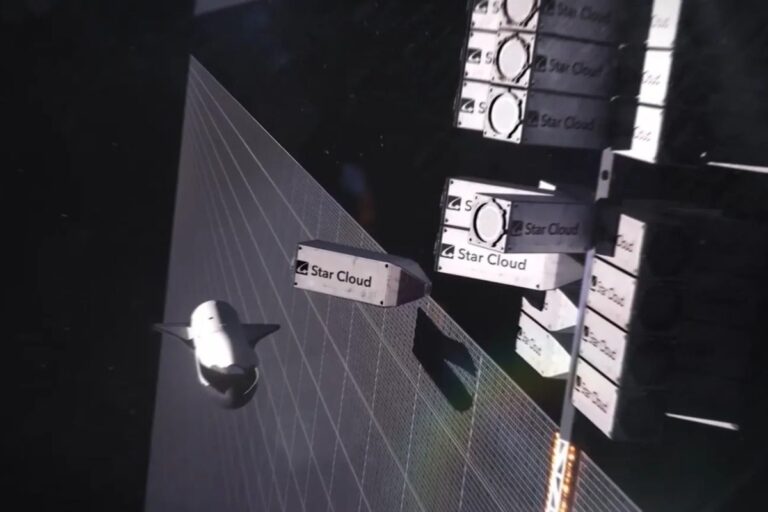
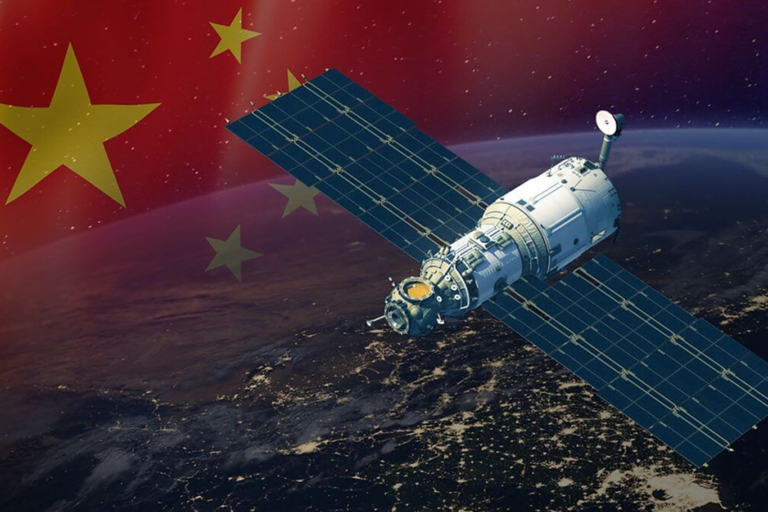
With prime locations, cooling capacity, and energy infrastructure being limited, a few companies are exploring the possibility of launching data centers into space. I am running a few minutes late; my previous meeting is running over. Starcloud, a startup supported by Nvidia, aims to launch its space server by the end of 2025, while a Chinese consortium has already launched the first cluster of a planned constellation.
The benefit is obvious: free, efficient solar power for servers and the void of space to cool them. However, there are drawbacks, such as the high cost of implementation and the near impossibility of upgrades and maintenance.
LEO More Busy than Ever
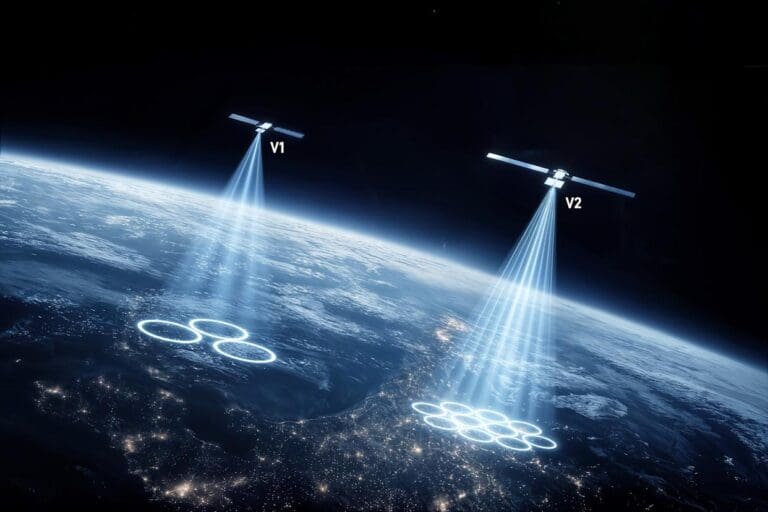
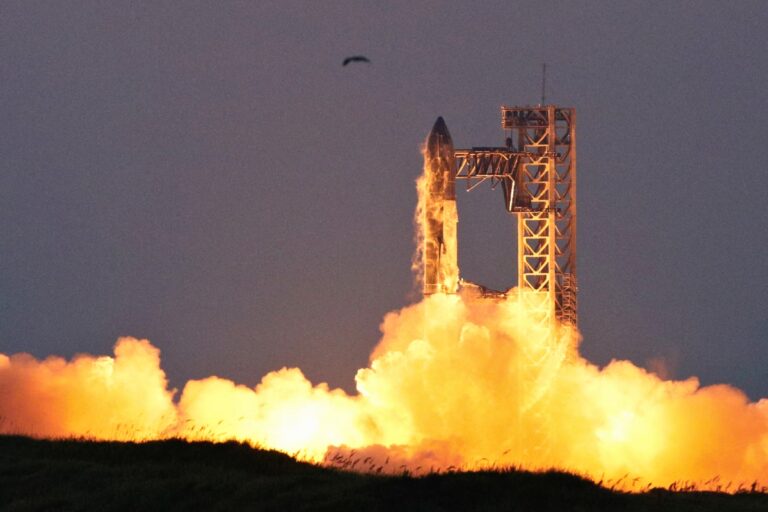
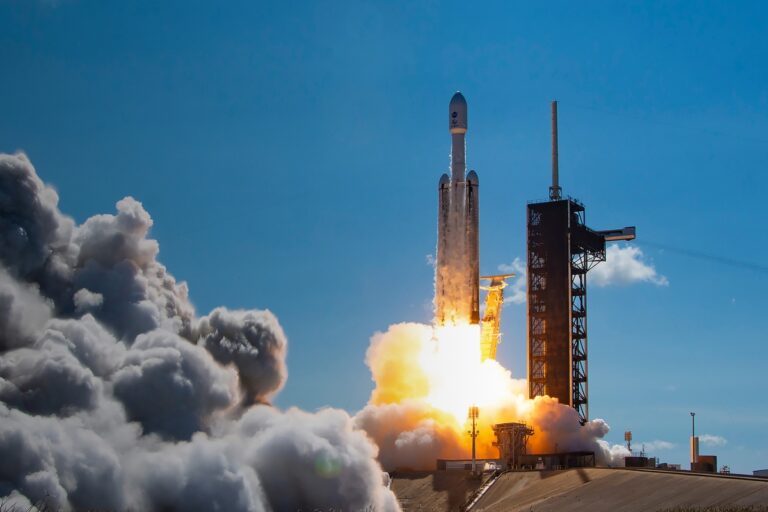
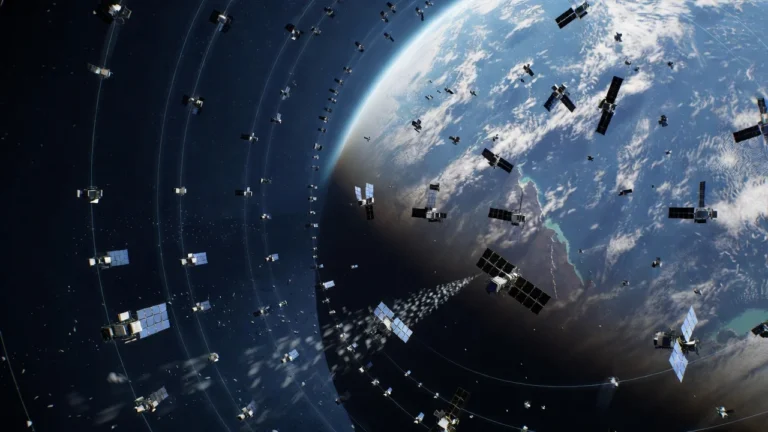
In November 2025, SpaceX launched an additional 29 satellites to its Starlink telecommunications constellation. Current estimates put the total number of Starlink satellites at over 8,500, a number higher than all other entities combined.
In November 2025, SpaceX launched an additional 29 satellites to its Starlink telecommunications constellation. Current estimates put the total number of Starlink satellites at over 8,500 — a figure greater than all other active satellites combined. The rapid growth highlights SpaceX’s effort to dominate low Earth orbit (LEO), where most modern communication satellites are now located.
Conversely, SpaceX faces increasing opposition from groups concerned about the negative impacts of such rapid expansion. SpaceX isn’t the only company aiming to grow its fleet further. Competitors like Amazon’s Project Kuiper and OneWeb are also speeding up their own constellations, adding more congestion to the crowded orbit.
More Earth Observation
Since their inception, Earth observation has been one of the most vital applications for satellites. Now, this use case is gaining importance again, as “EO” satellites have proven themselves to be essential tools for environmental monitoring, urban planning, disaster management, defense, and many other areas.
In early November 2025, the UAE added Foresight 3, Foresight 4, and Foresight 5 to its Earth observation constellation. Space42, a leading space company in the UAE, noted that its satellites played a crucial role in managing numerous natural disasters. The satellites proved their importance in assessing the safety of Atatürk Dam after the 2023 earthquake and in handling the historic floods that impacted the UAE in April 2024.